Here is a sampling of diverse education, regenerative design and construction projects with a brief description of some of the things that make each project work for its Bioregion around the world.
El Nido Solar (The Solar Nest) Montana, USA
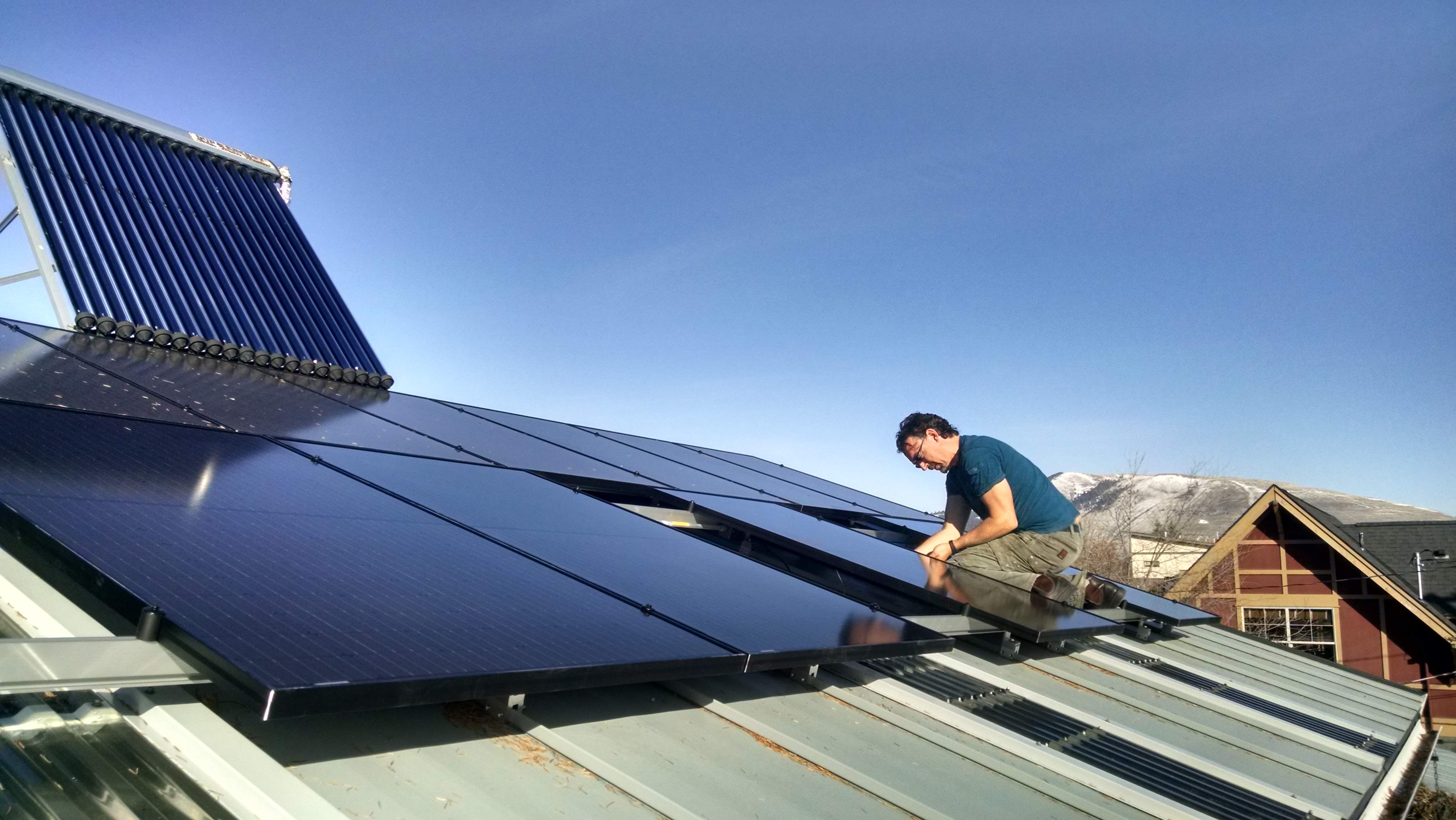
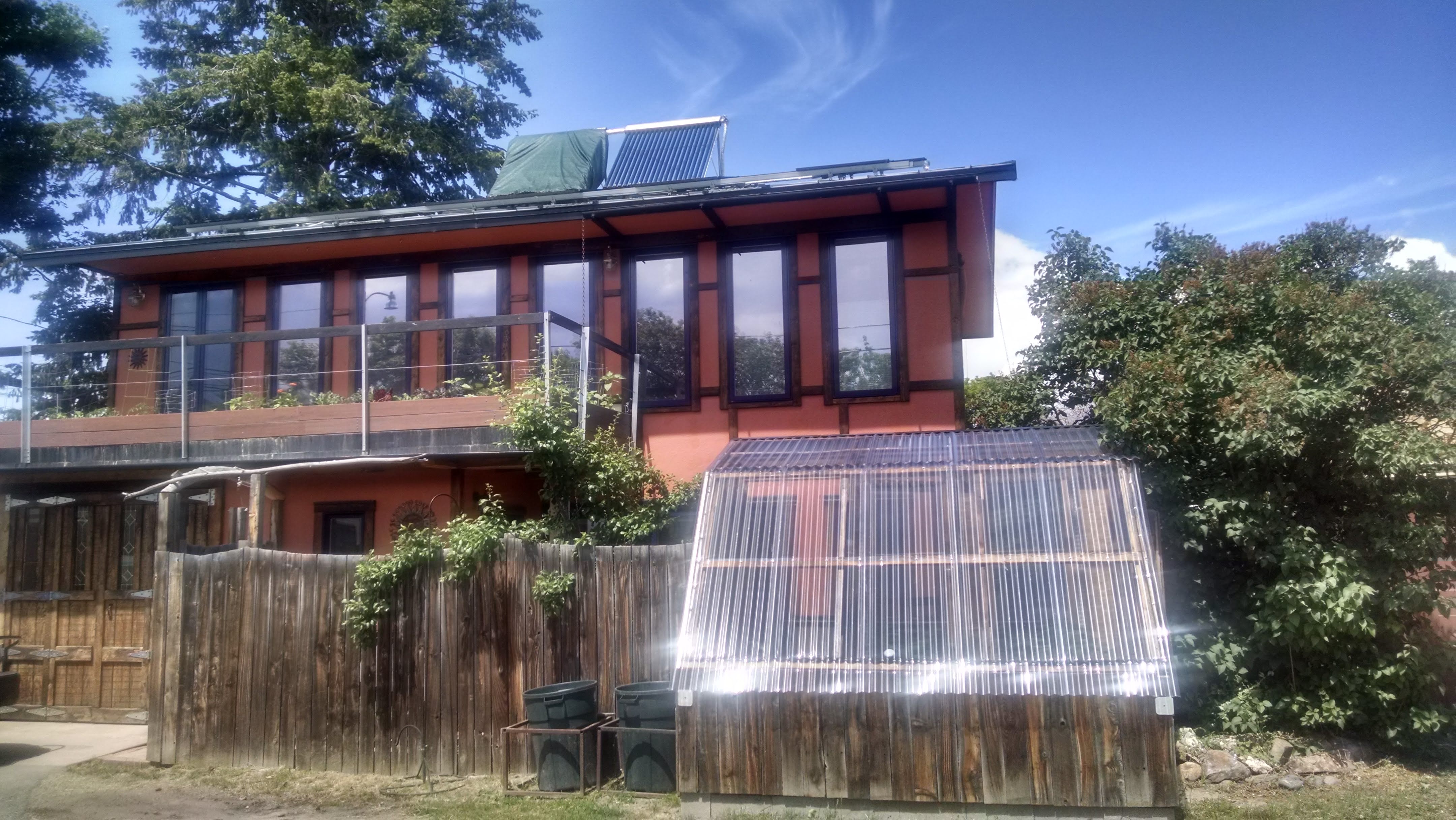
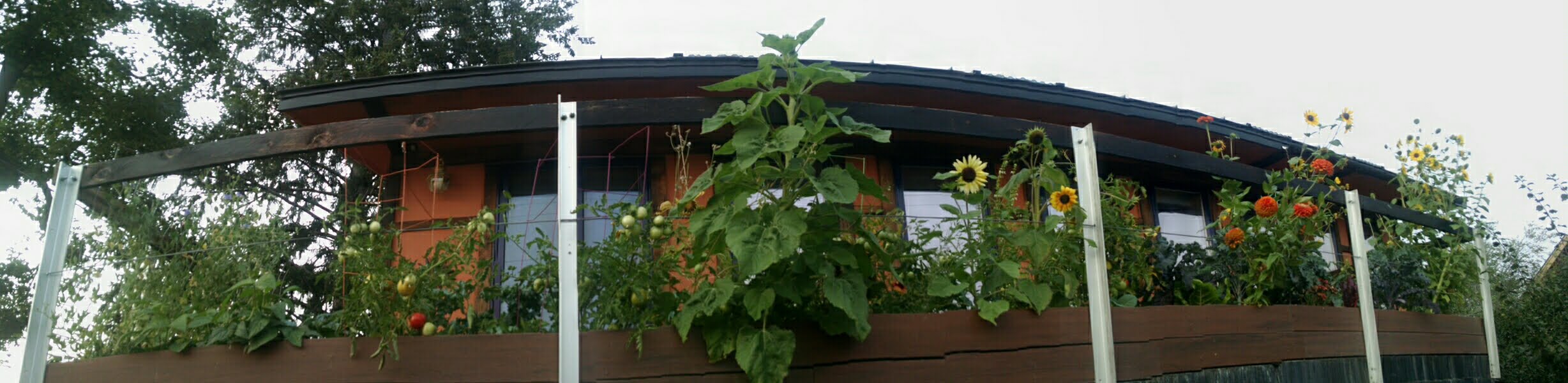
The solar nest is a creative and integrated food, energy, and shelter design and building project that integrates many solar design features, including annualized geosolar heating and cooling, vacuum tube solar water heating for space heating and domestic hot water, grid tied photo voltaic energy system, solar space heating, solar orientation and shading for seasonal lighting and cooling, rooftop gardens for food and structure cooling among others.
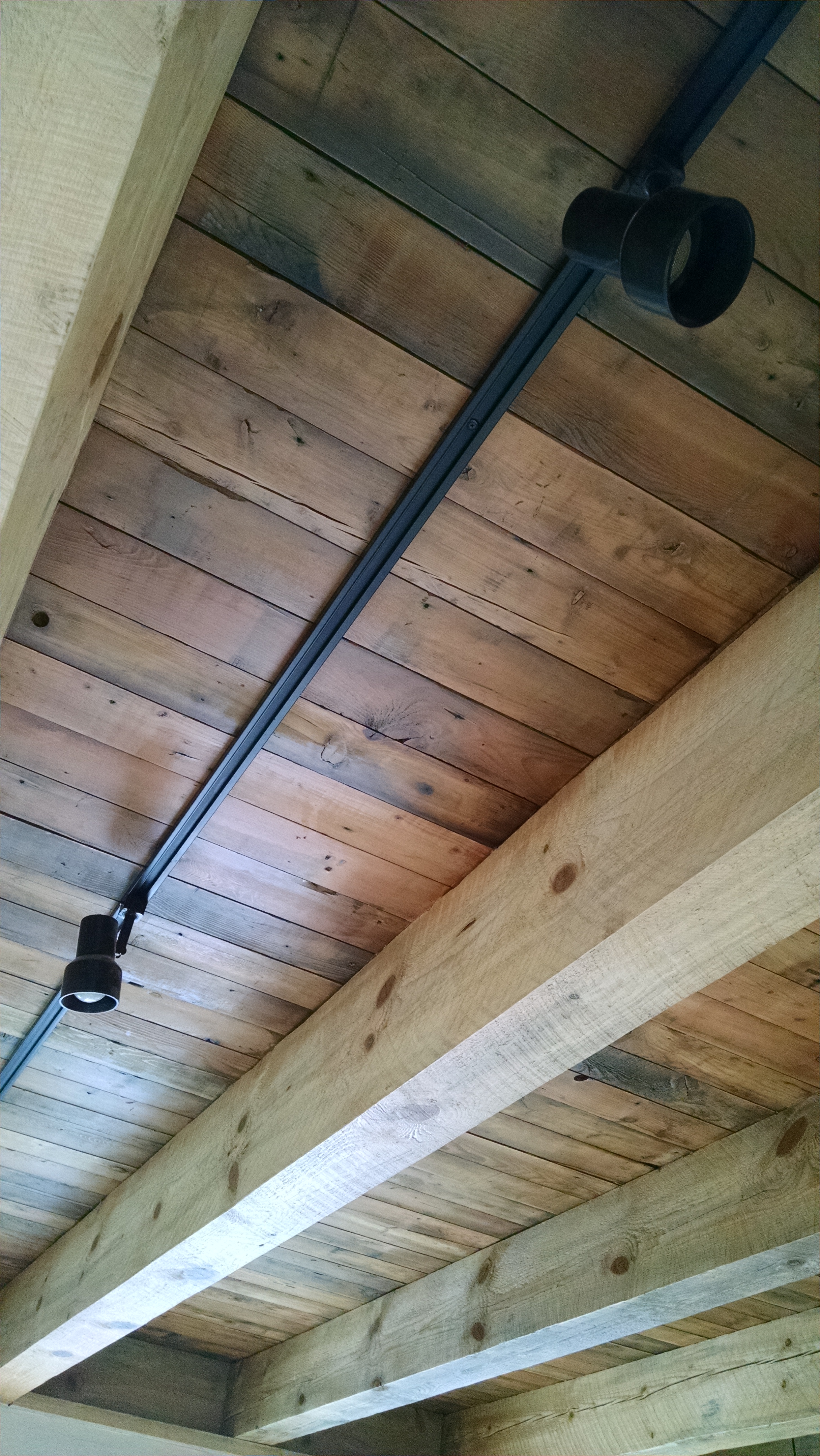
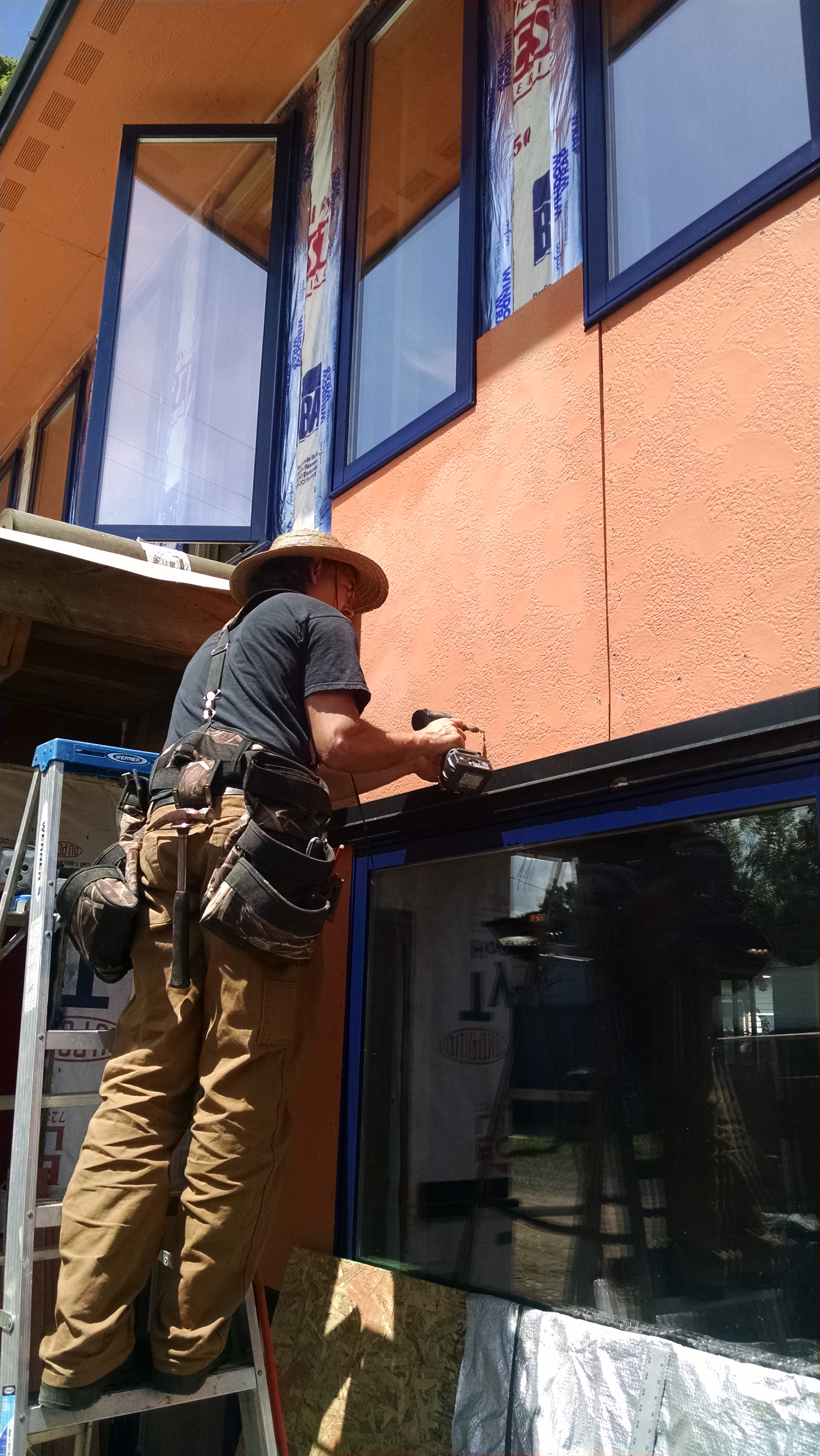
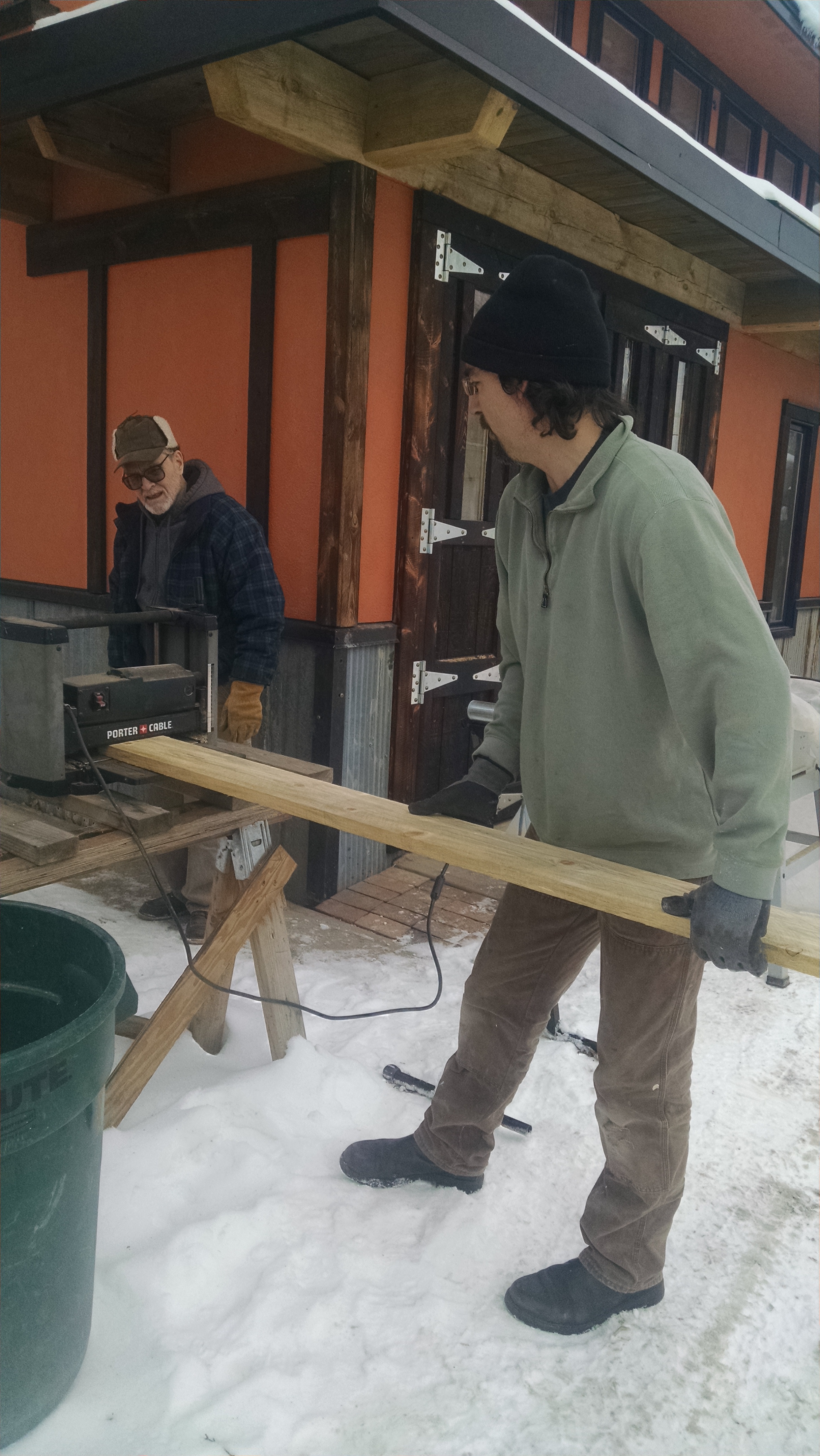
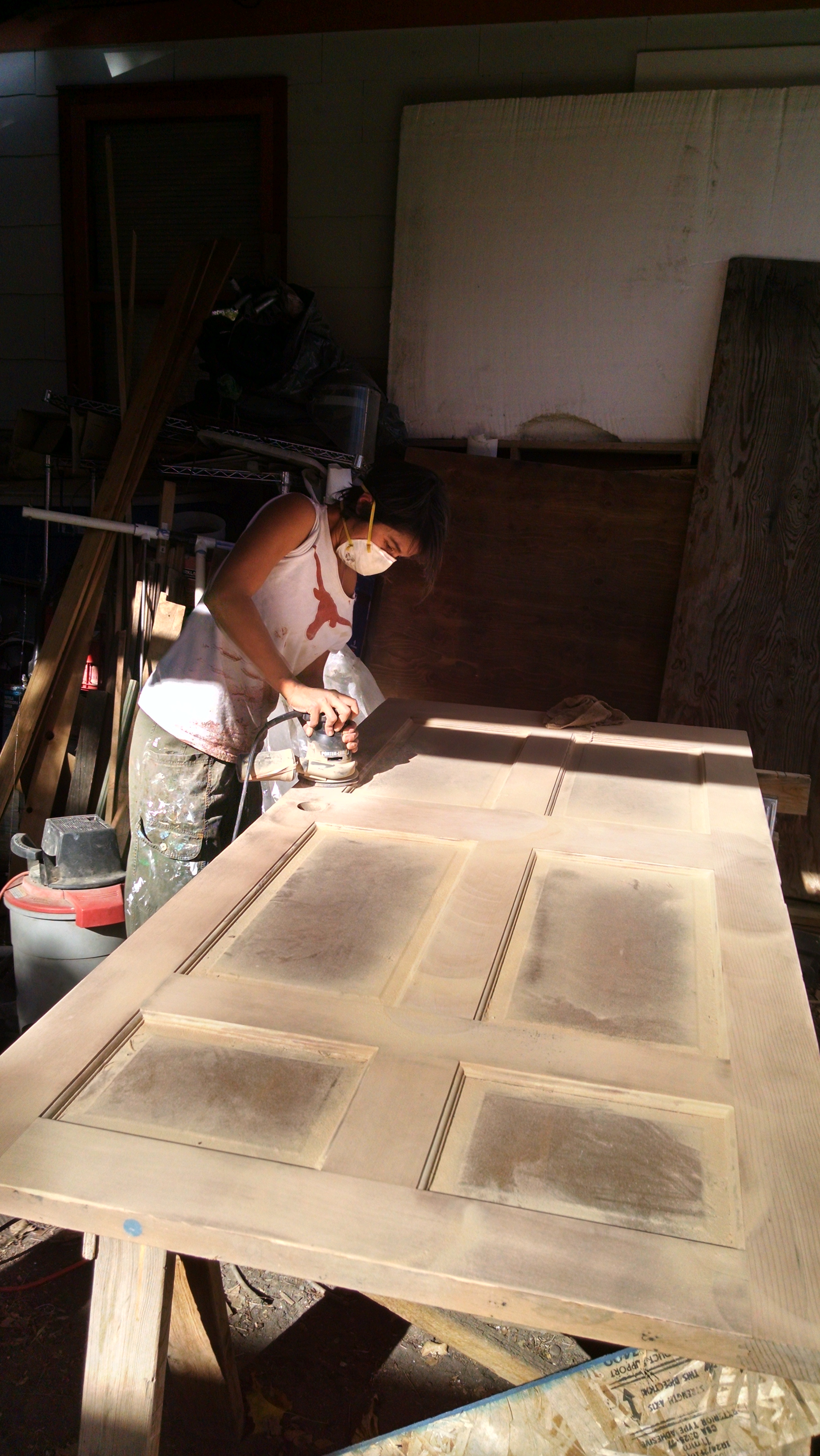
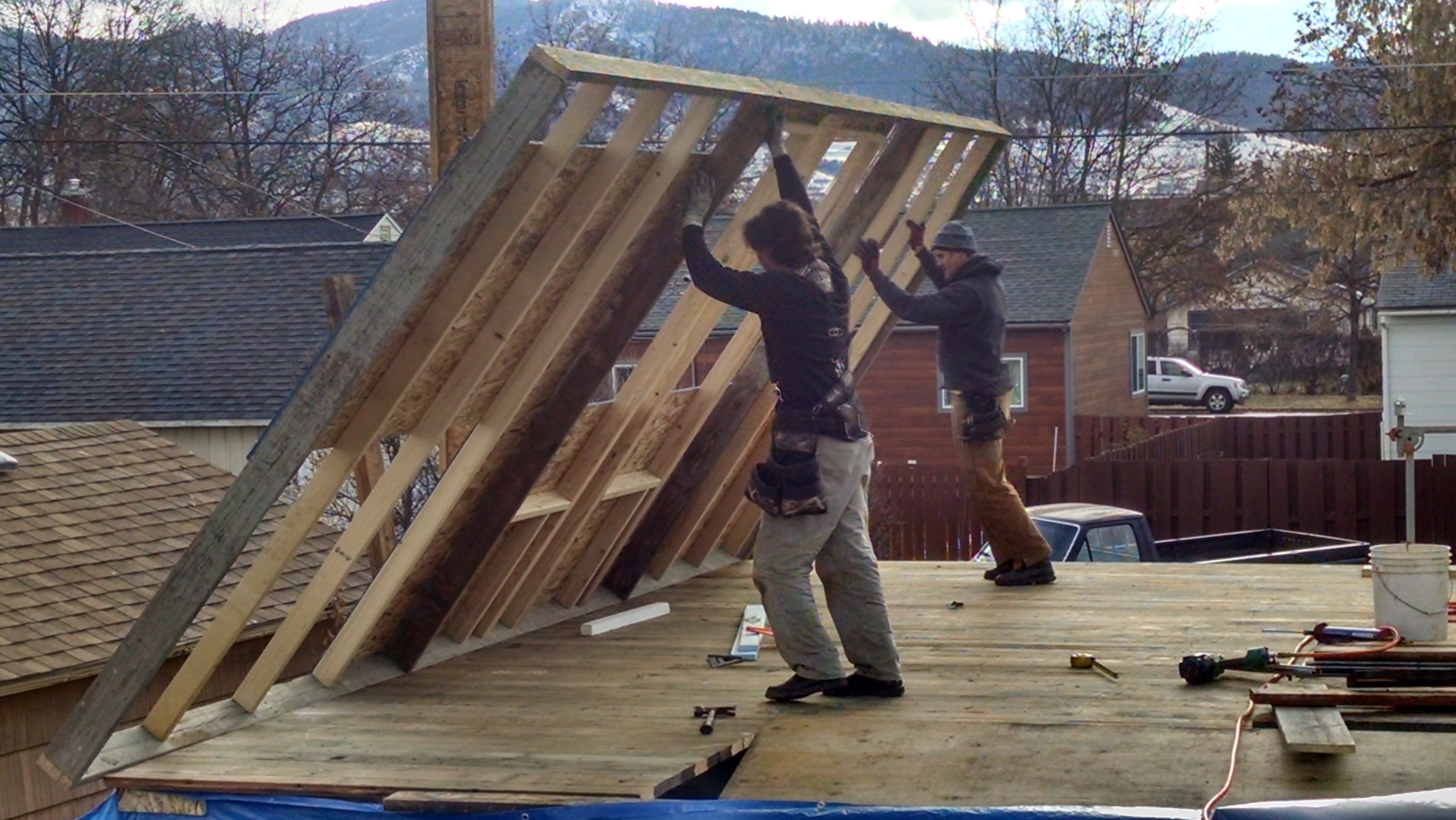
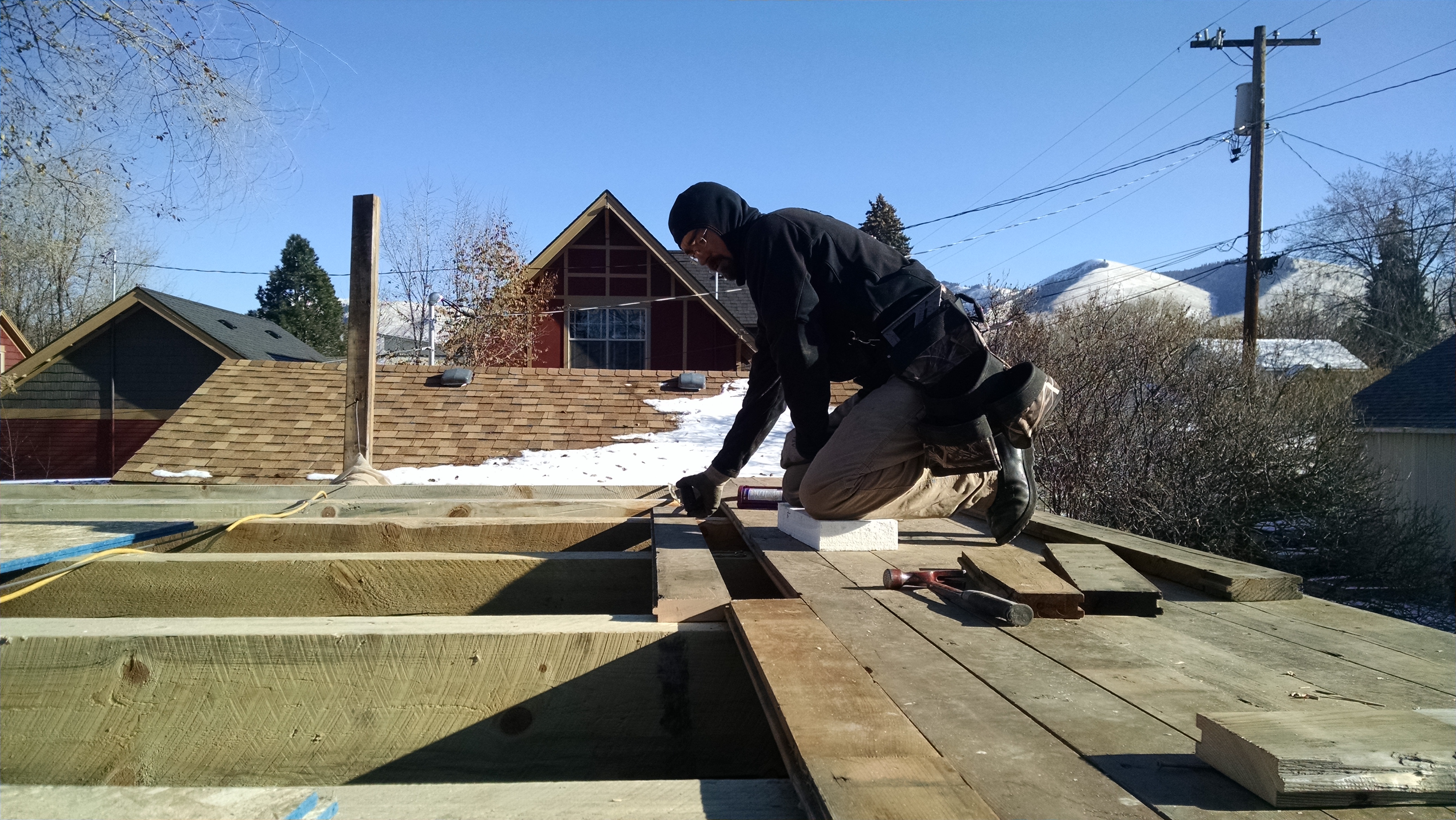
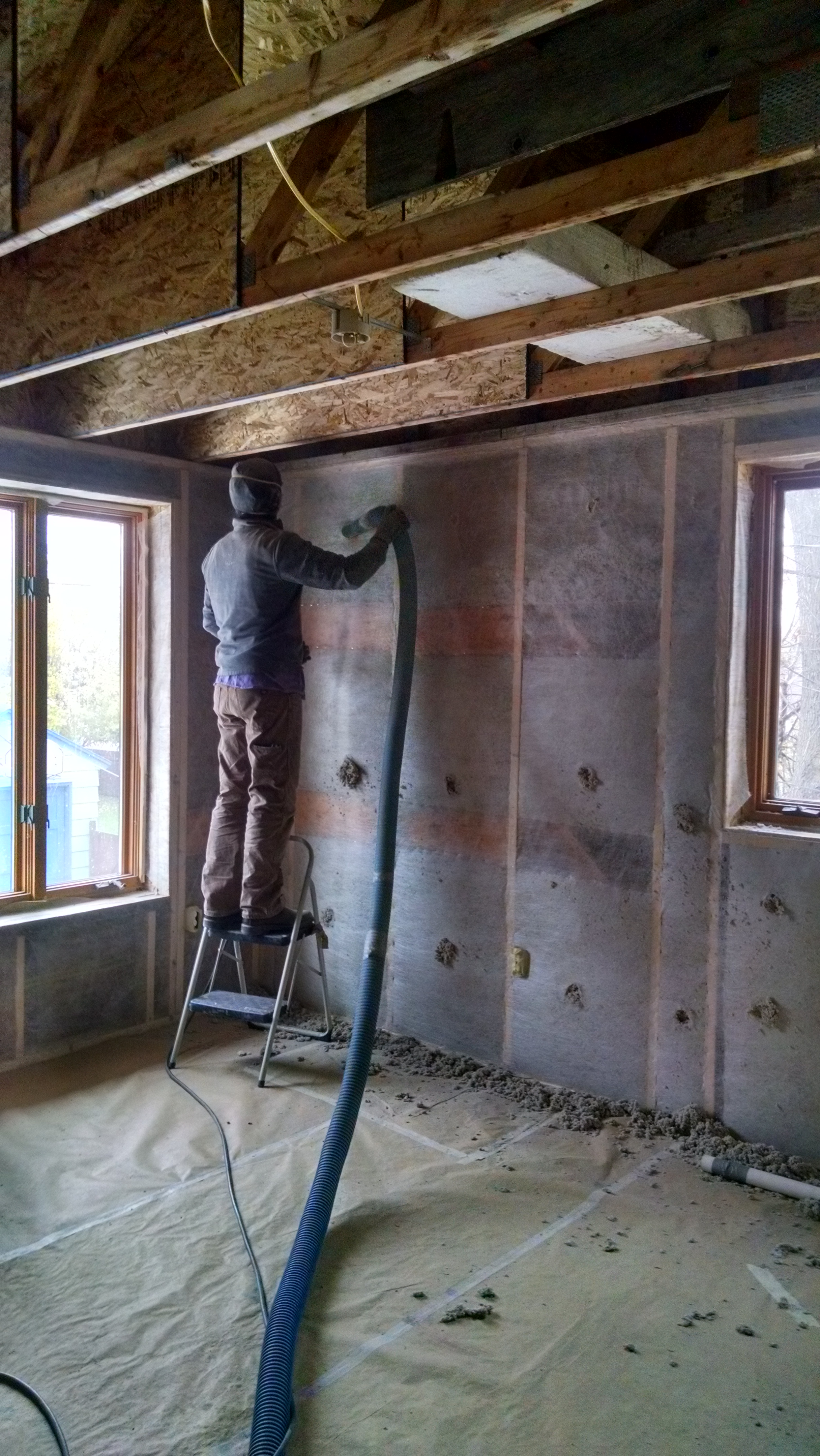
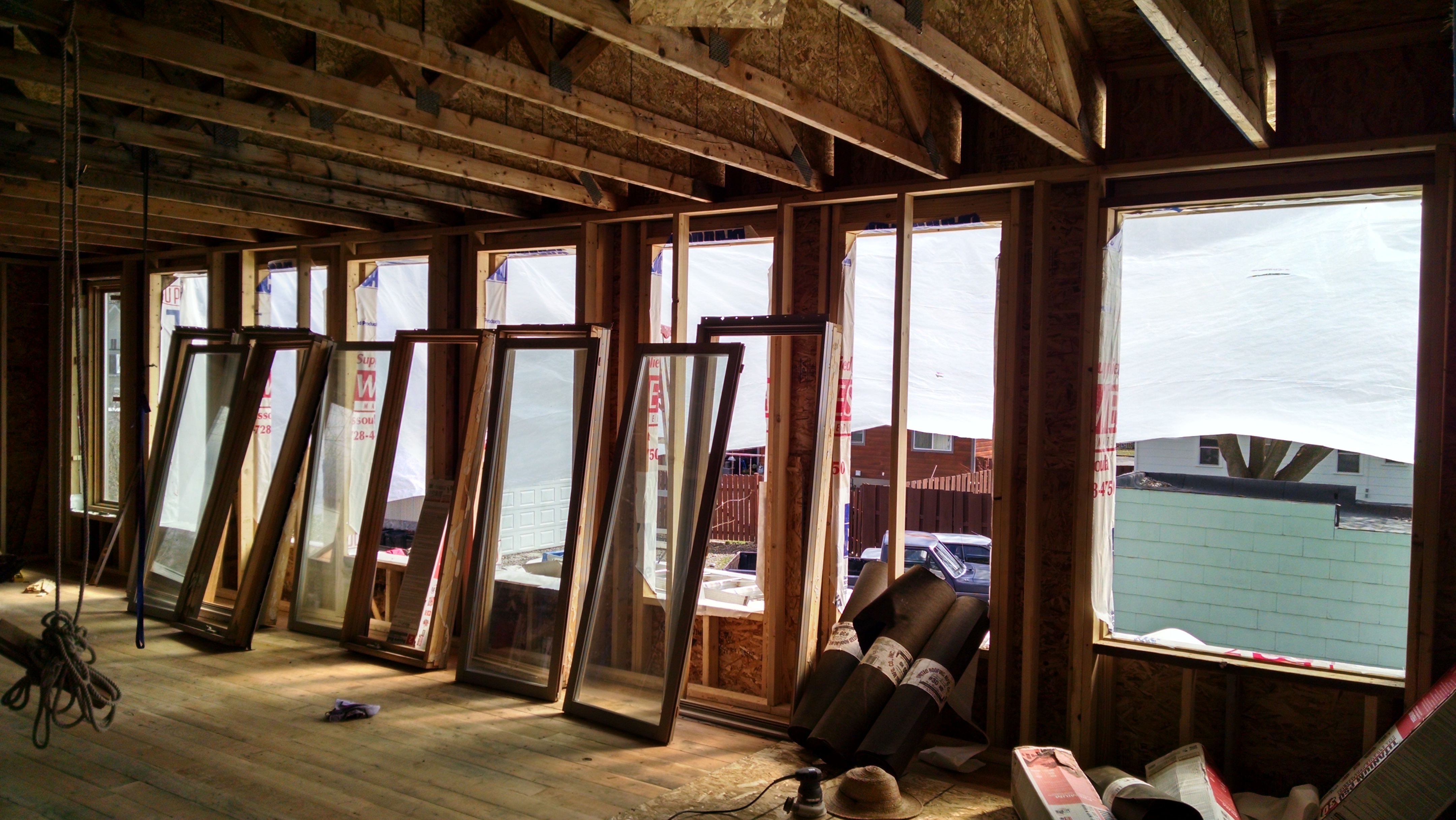
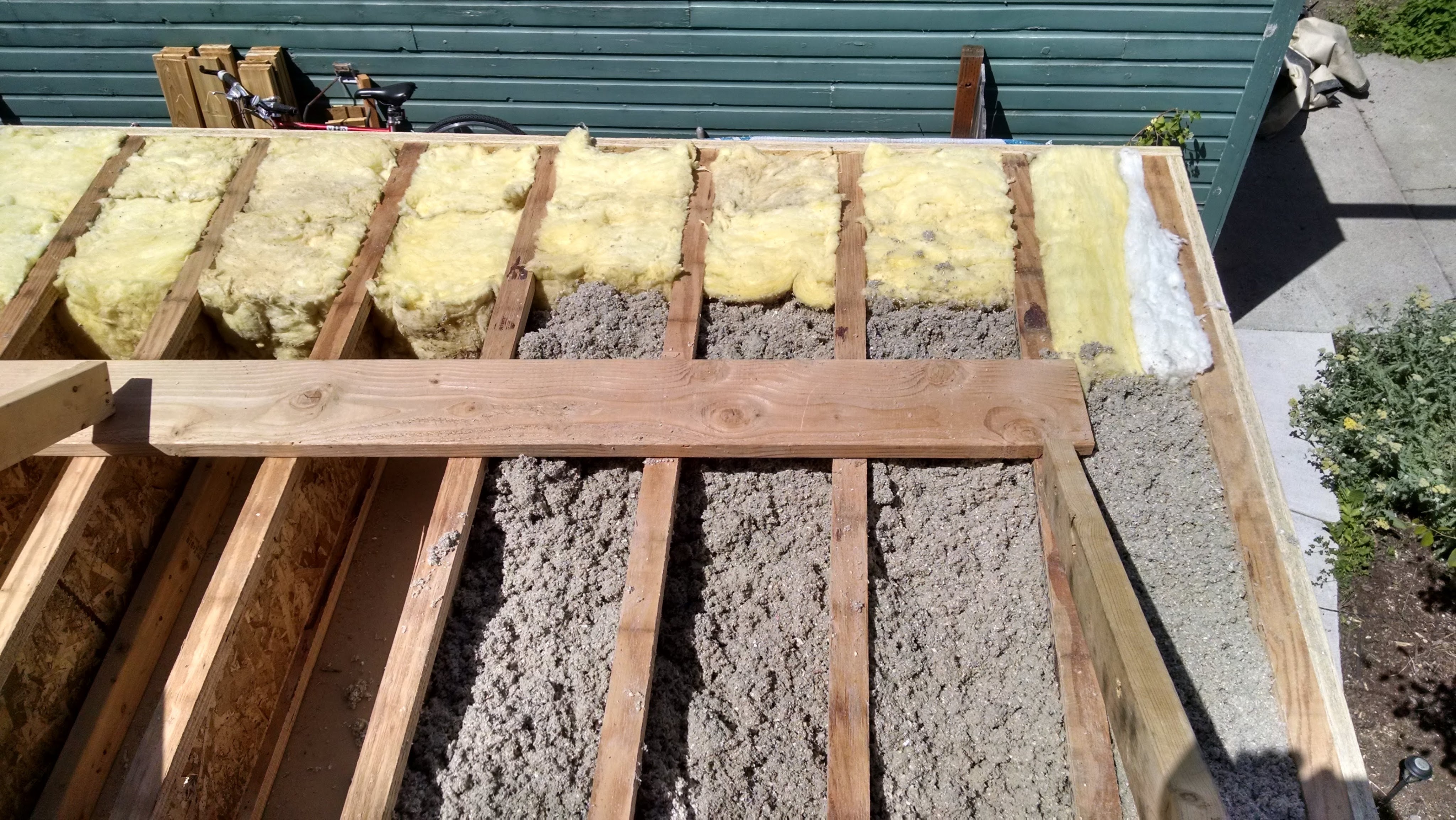
The Solar Nest is approximately 75% recycled, and reused materials including roof trusses, windows, lumber, light fixtures, cabinets, wood work and trim, roof deck and rubber, railings, insulation, plumbing, electrical, metal flashing, siding, and roofing and much more. Nearly every part of the new construction has a history and a past life. The space features unique historic salvaged flooring, and local timbers and wood work from forest restoration work. The double stud walls are dense packed with recycled cellulose insulation achieving a continuous R-38 envelope.
Many of the photos through out the web site feature the finished indoor and outdoor spaces, and rooftop garden.

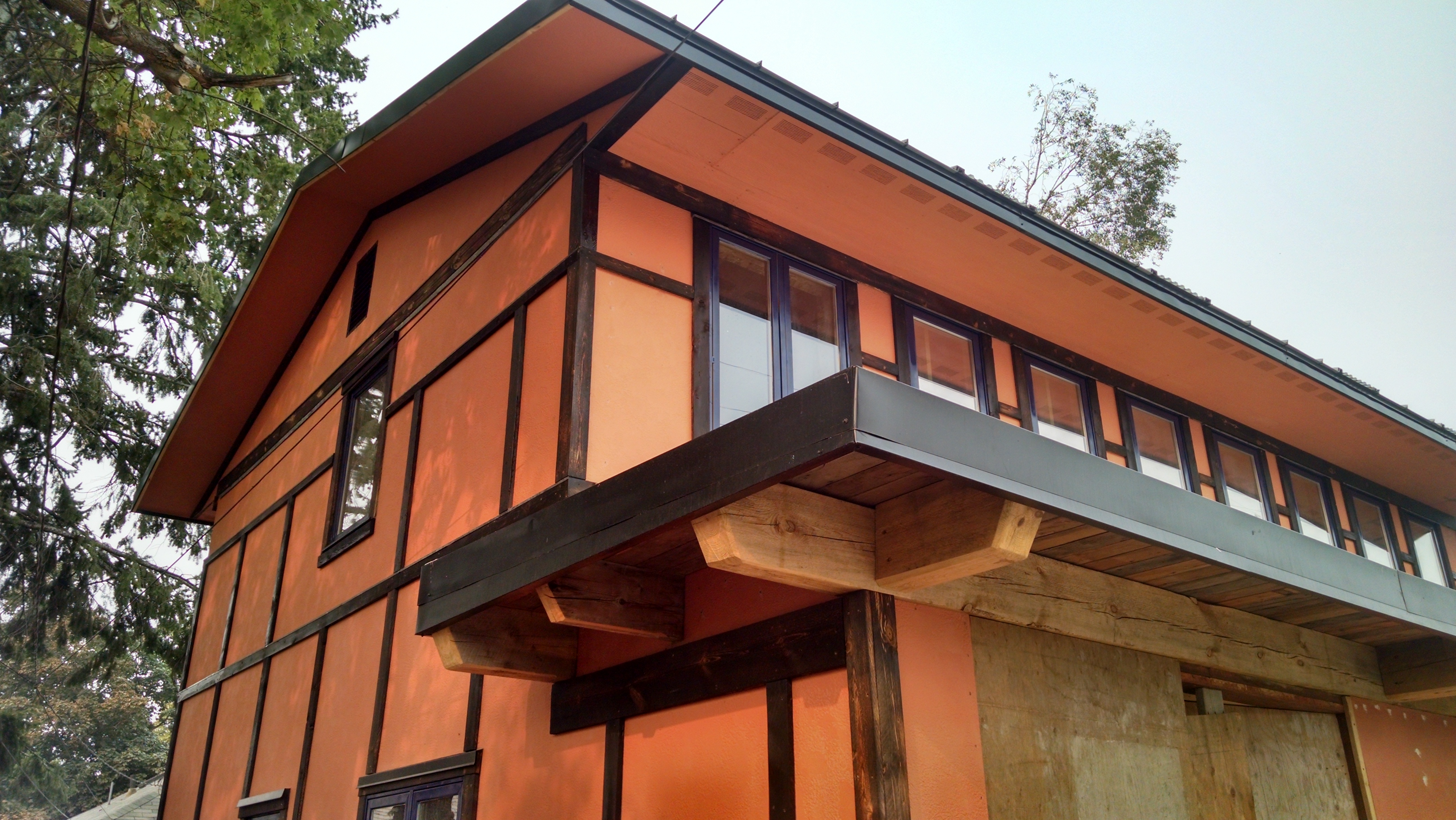
Sun Dojo, Montana USA
This type of construction can be customized to your bioregion. We have used the technique from the tropics to the northern Rocky Mountains.
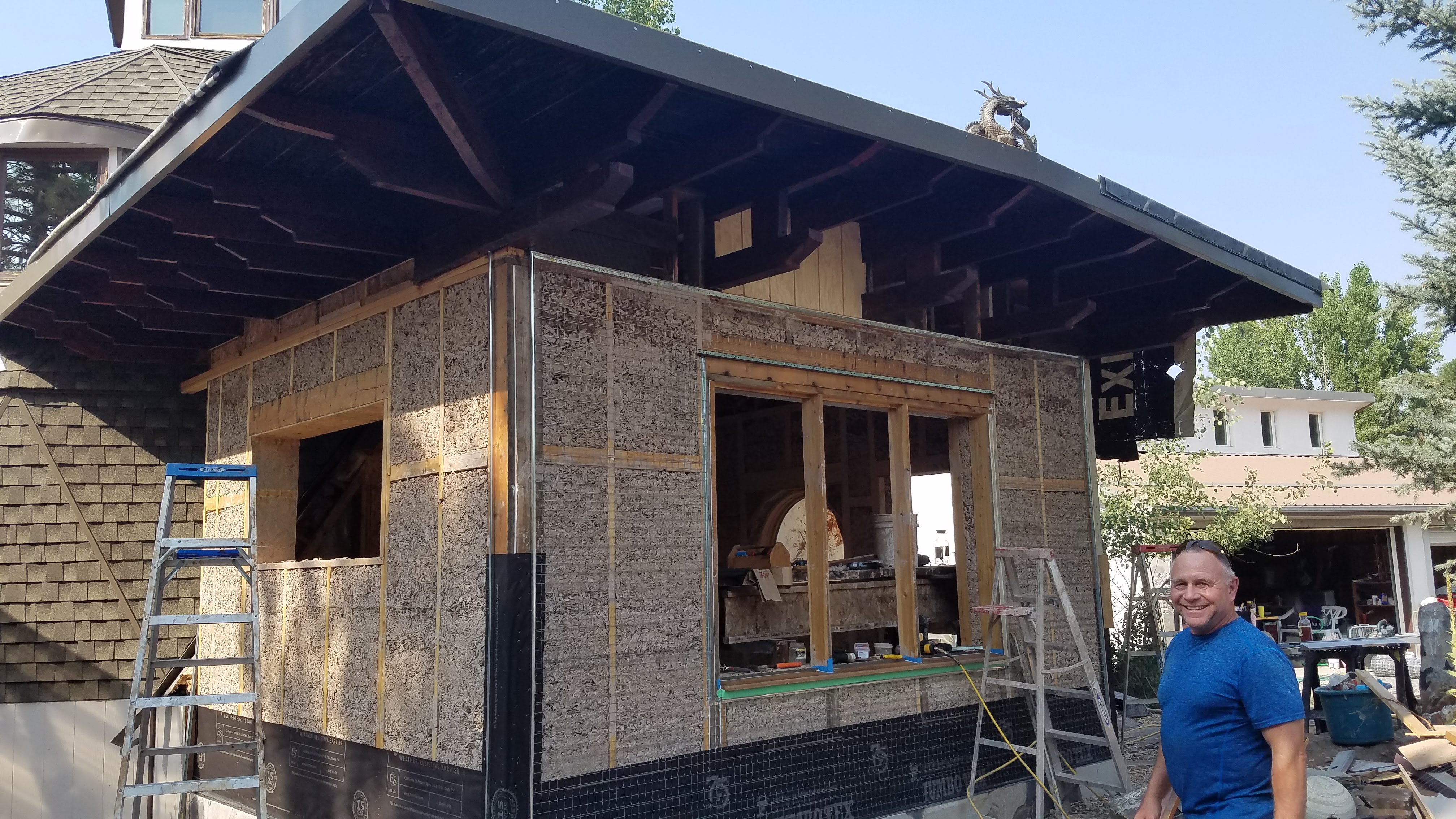
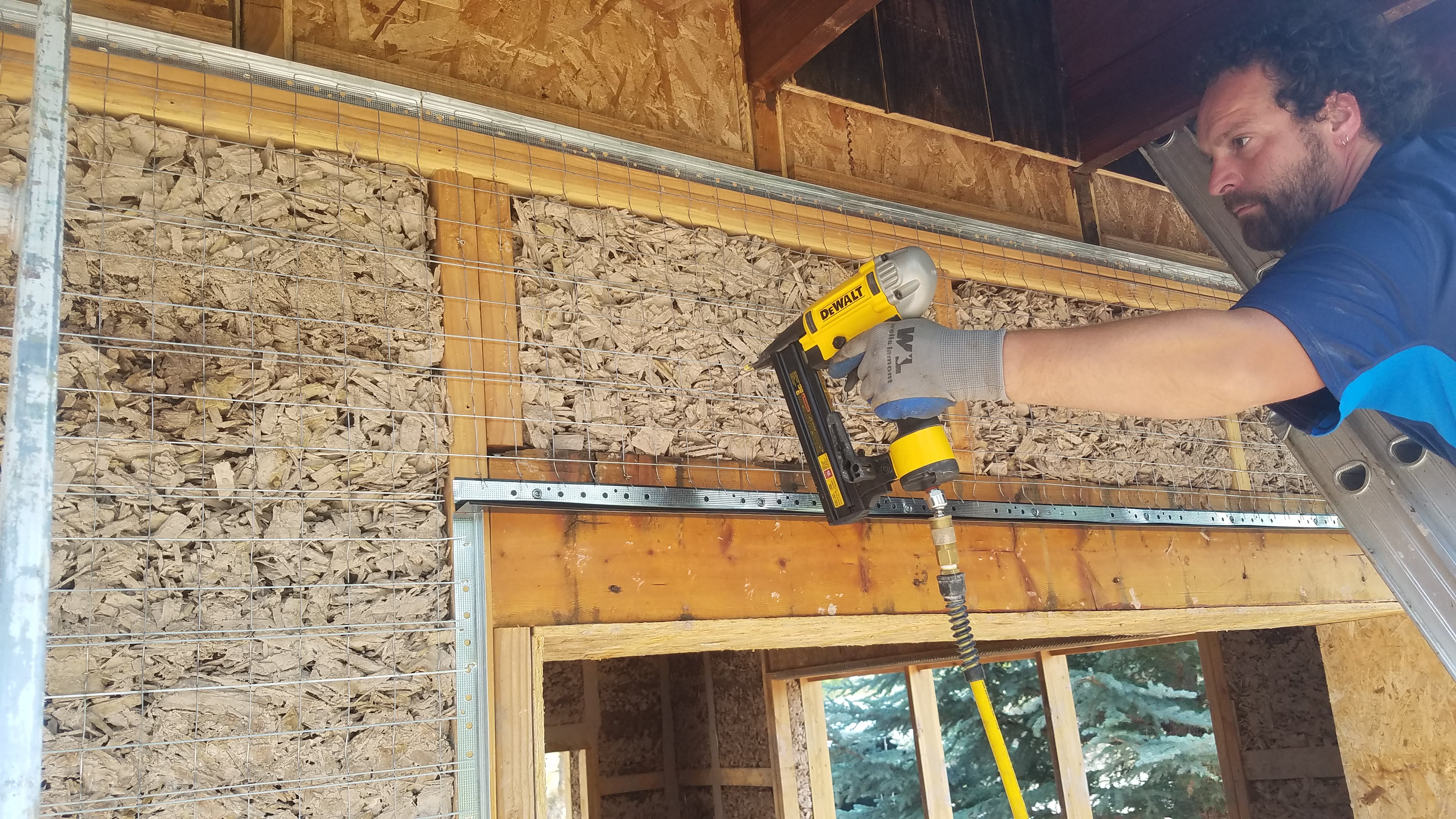
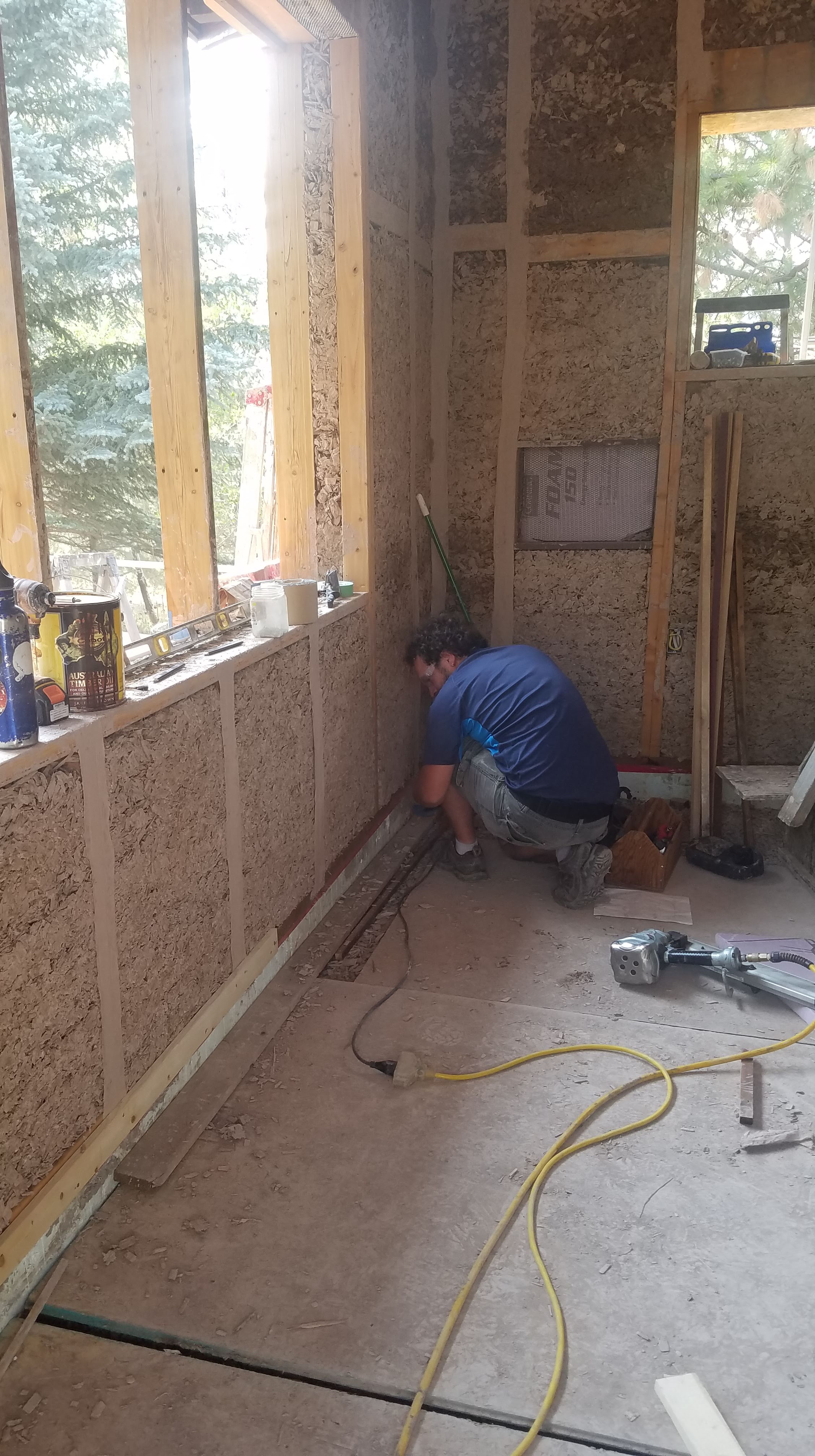
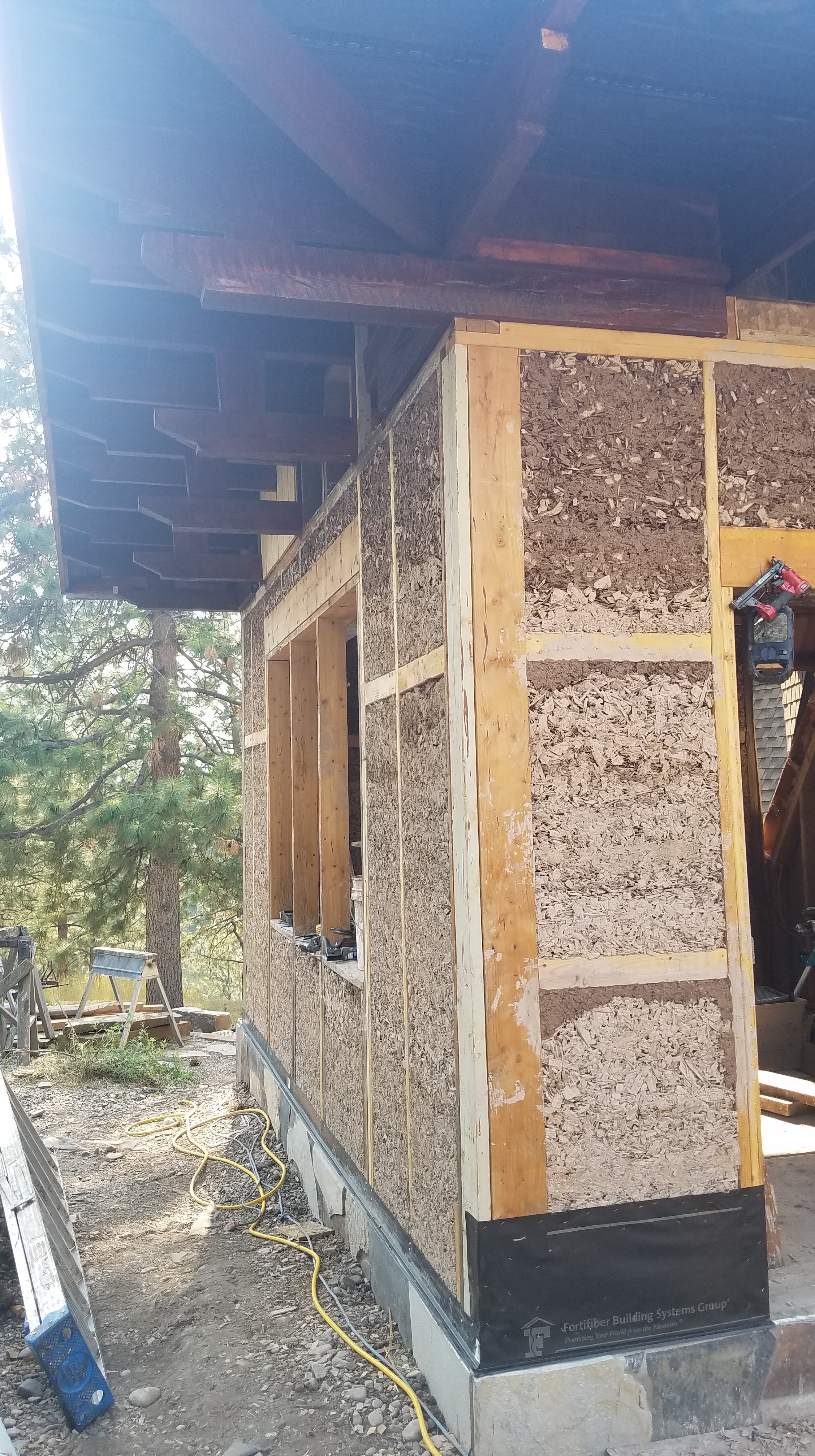
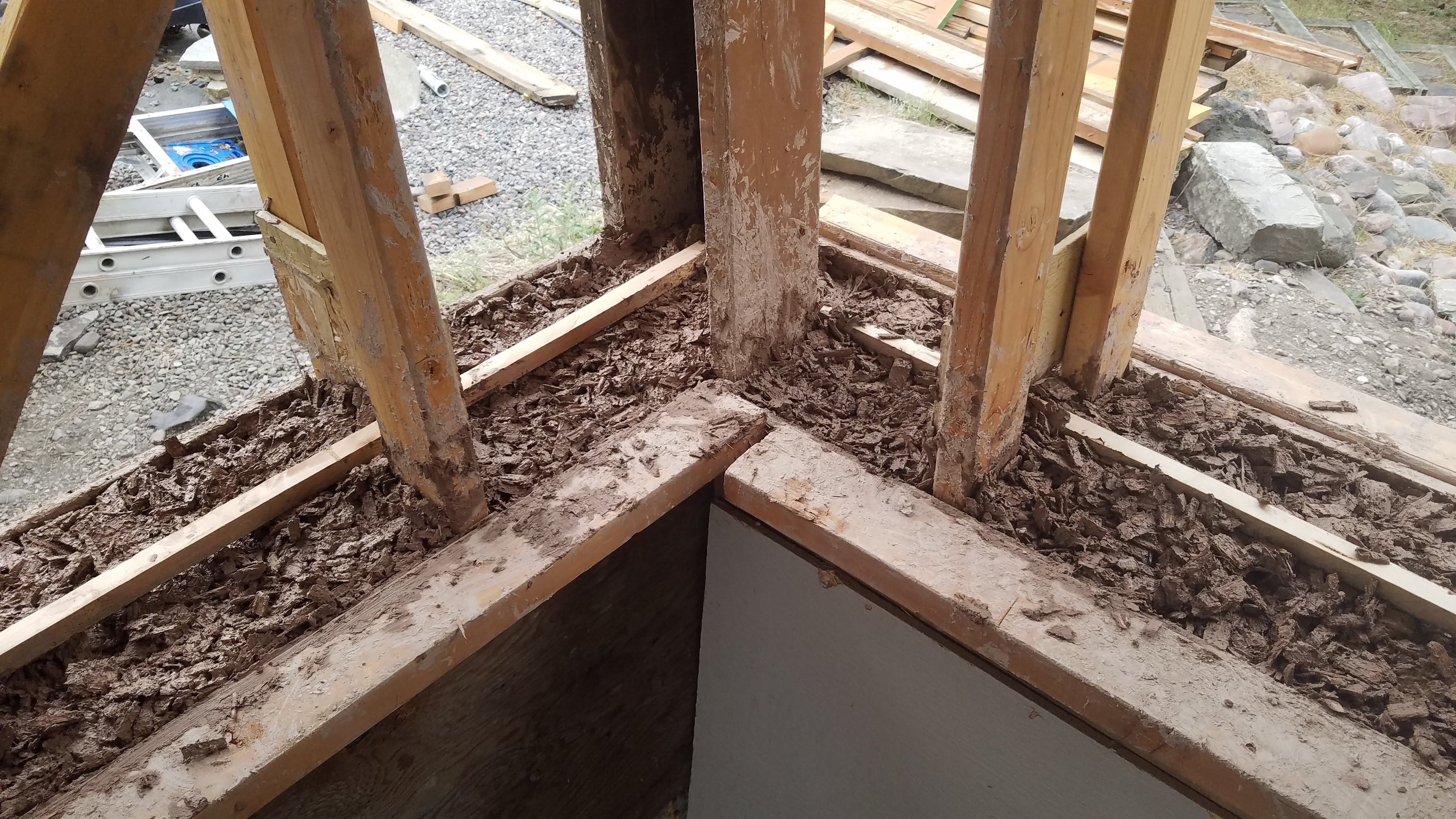
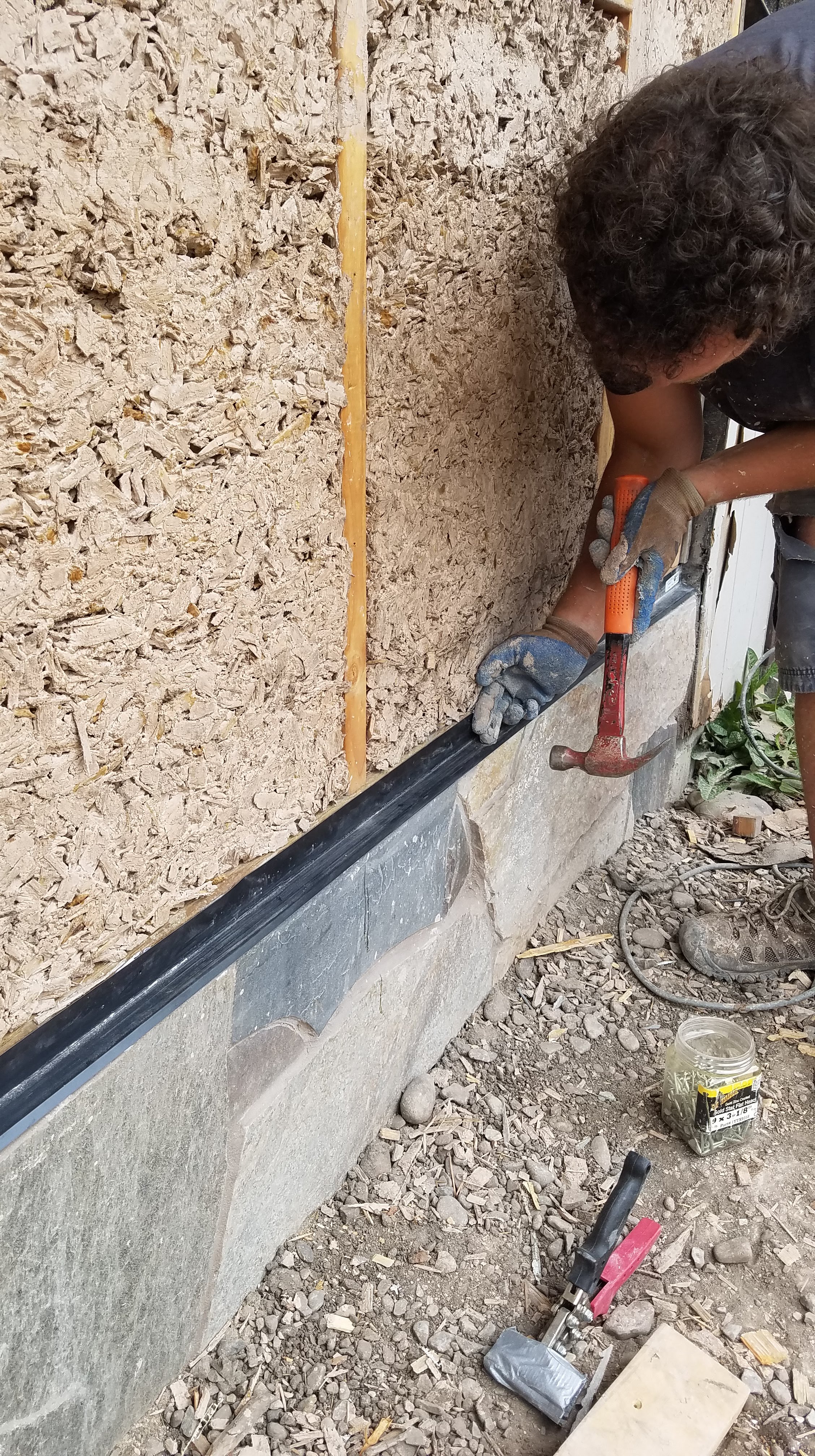
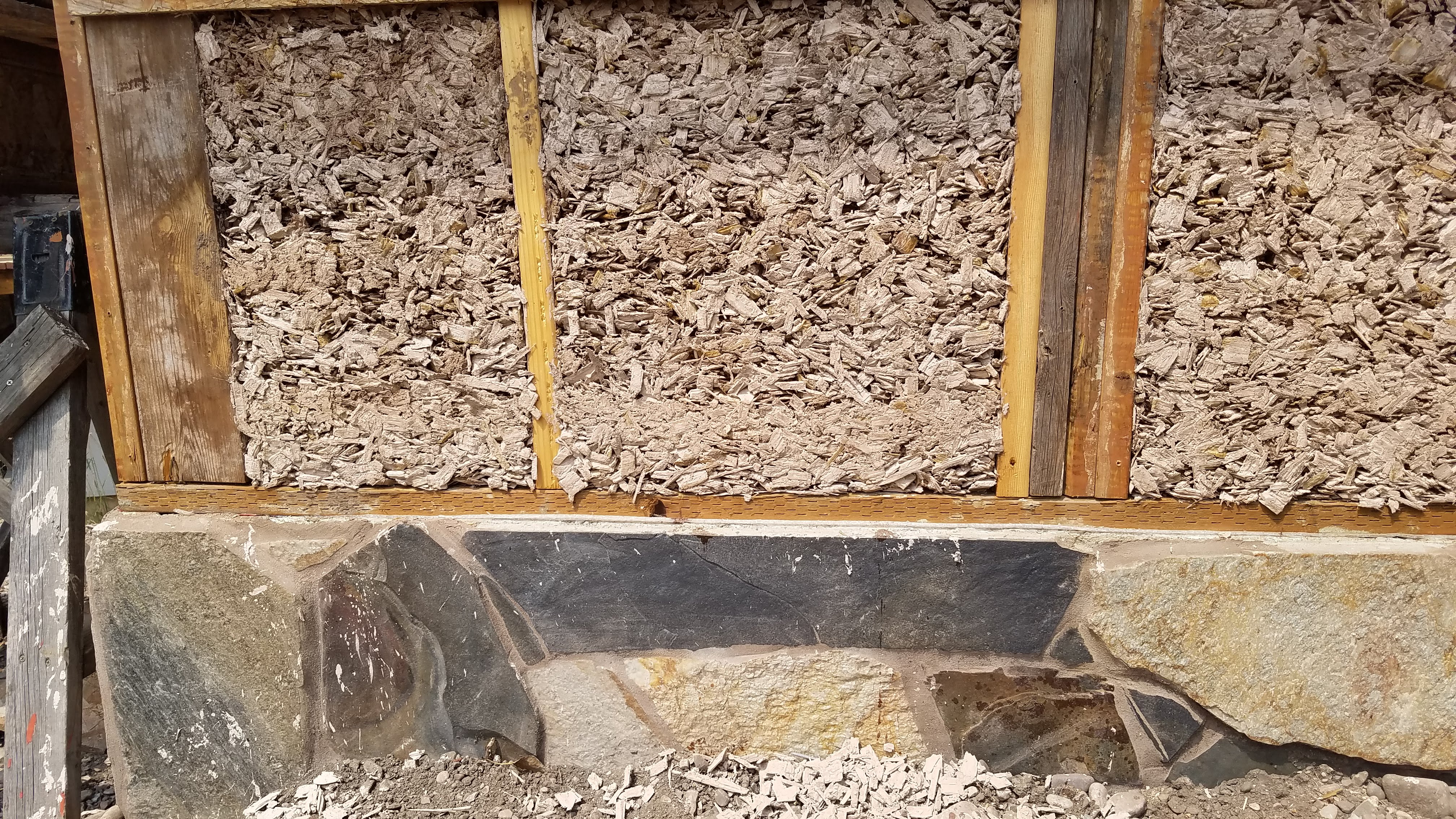
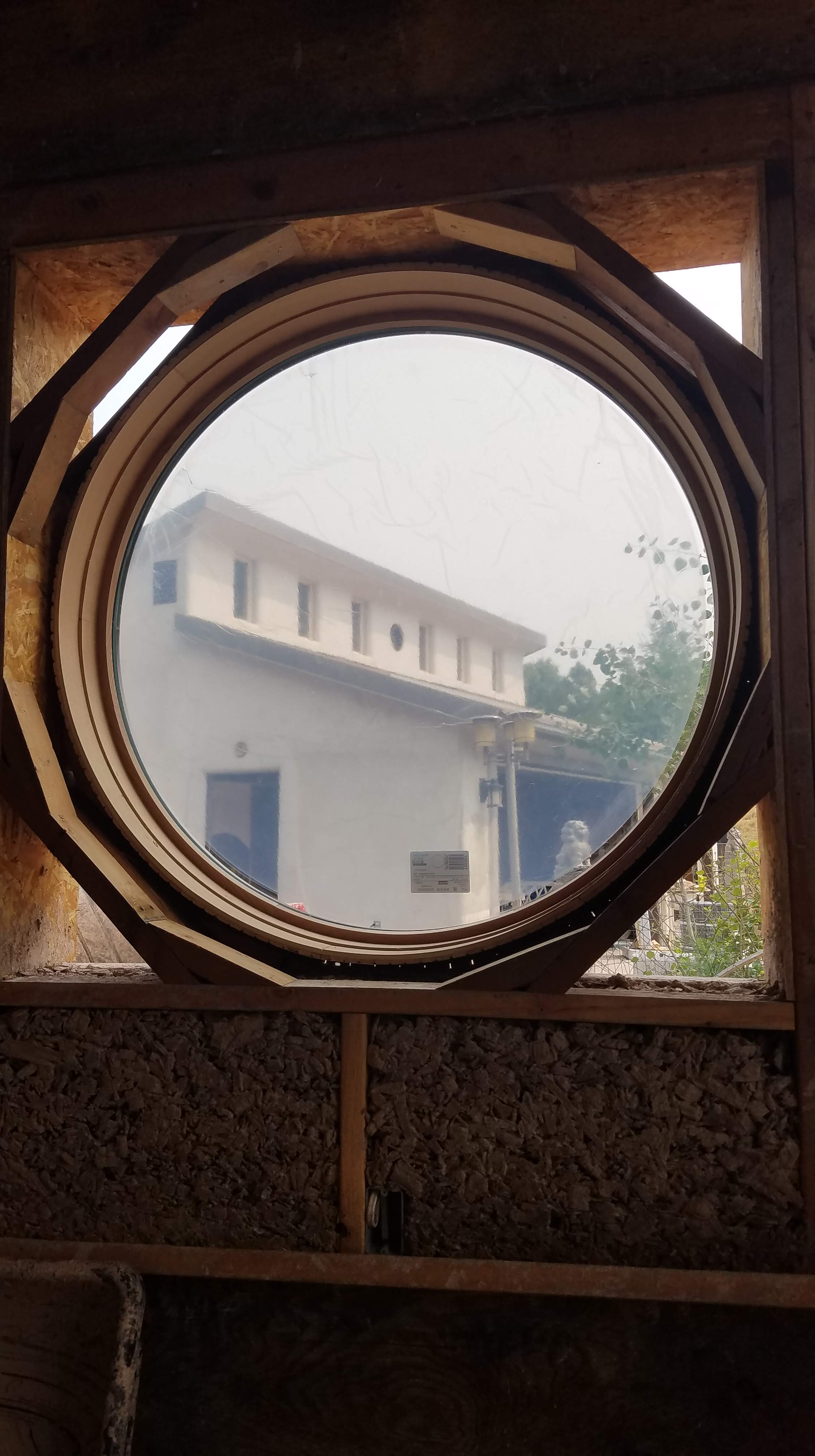
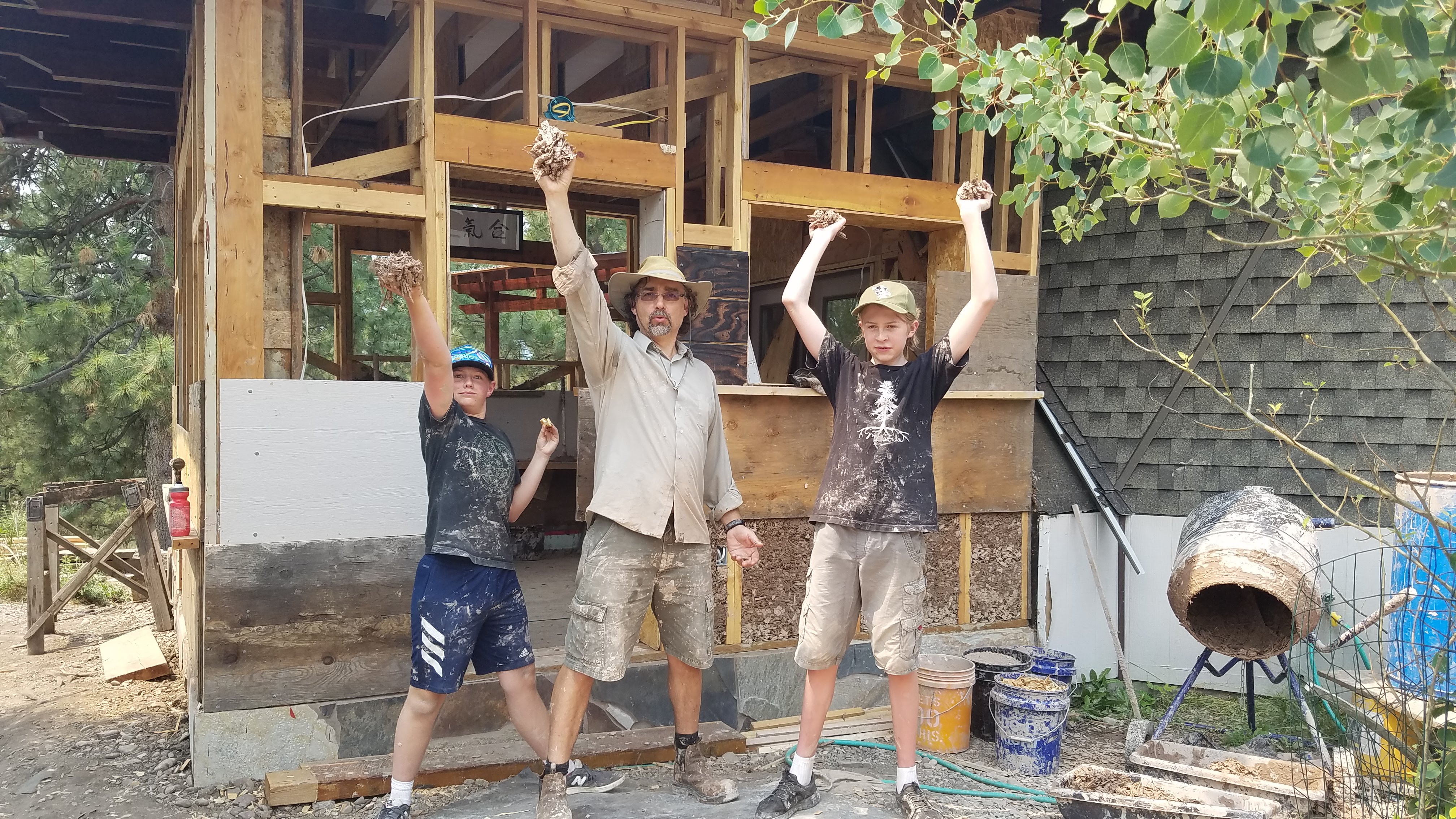
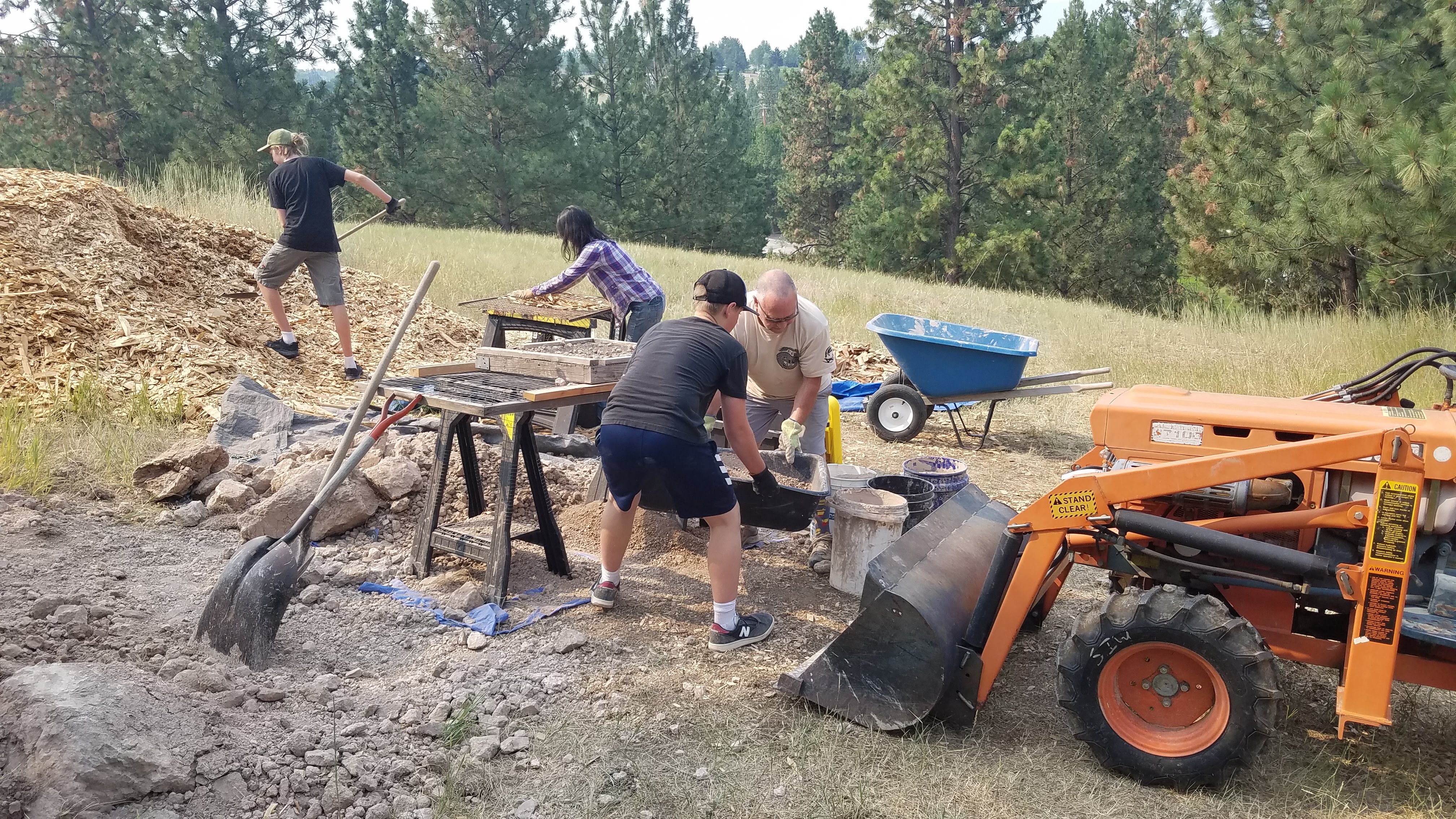
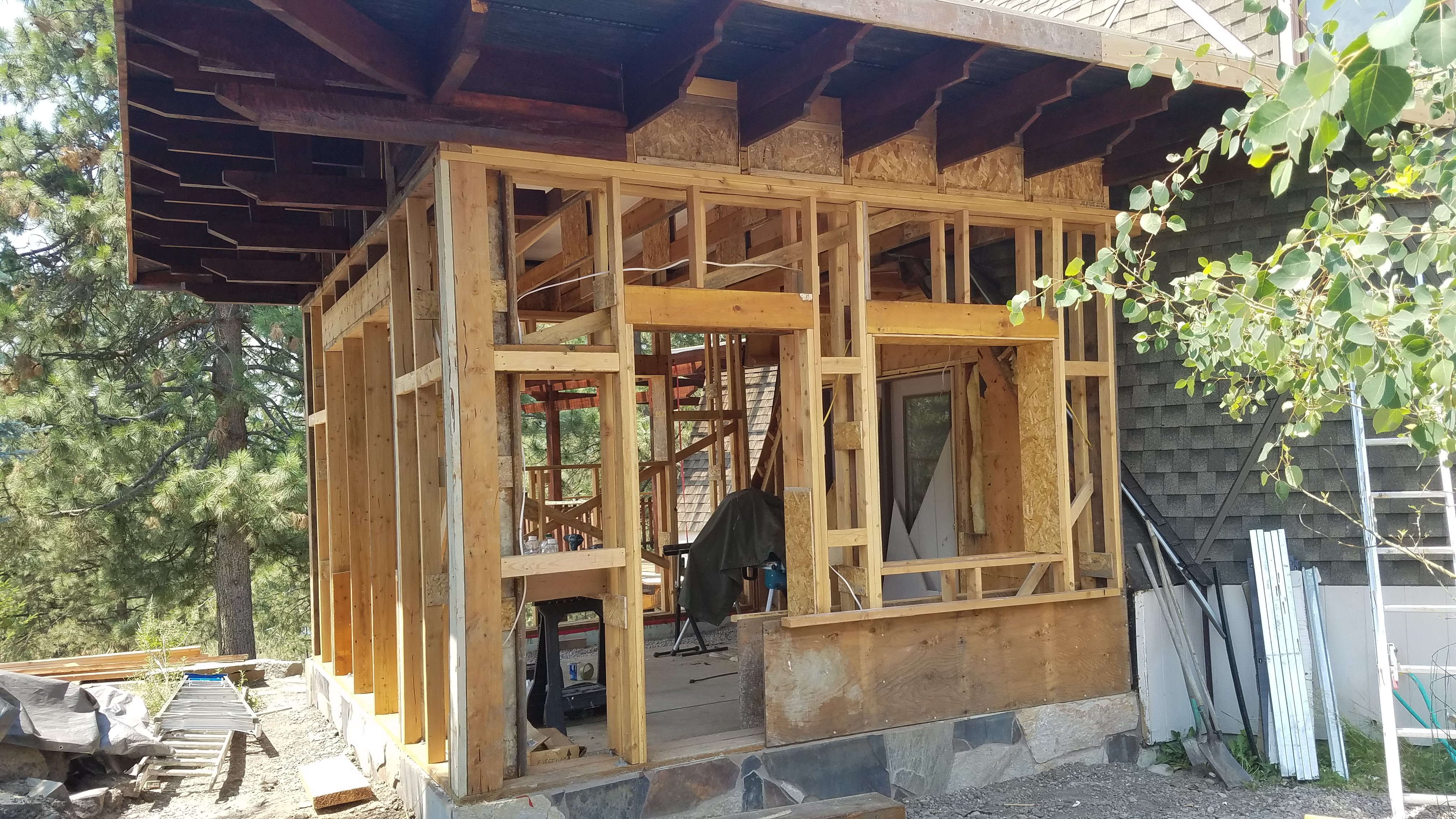
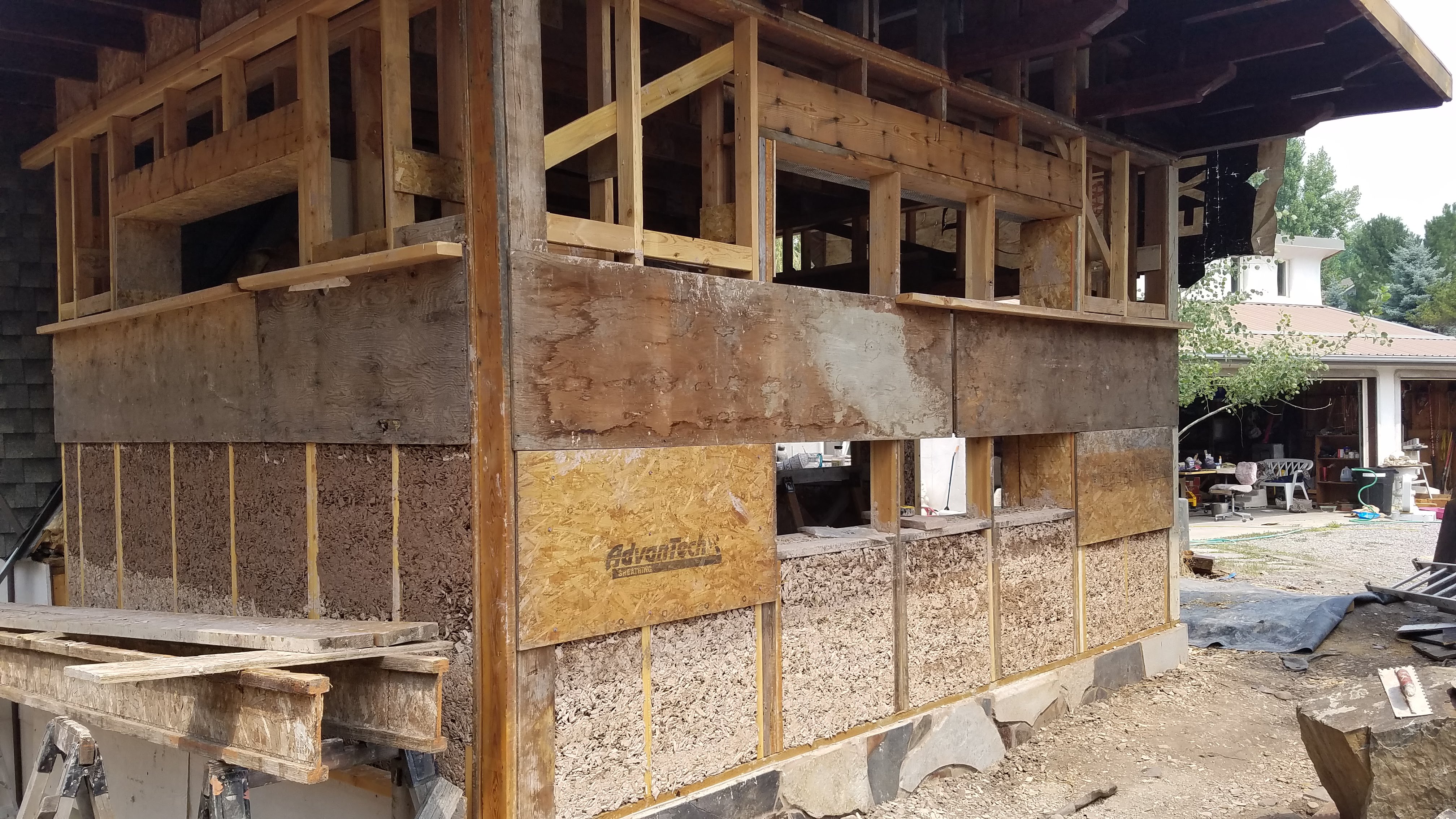
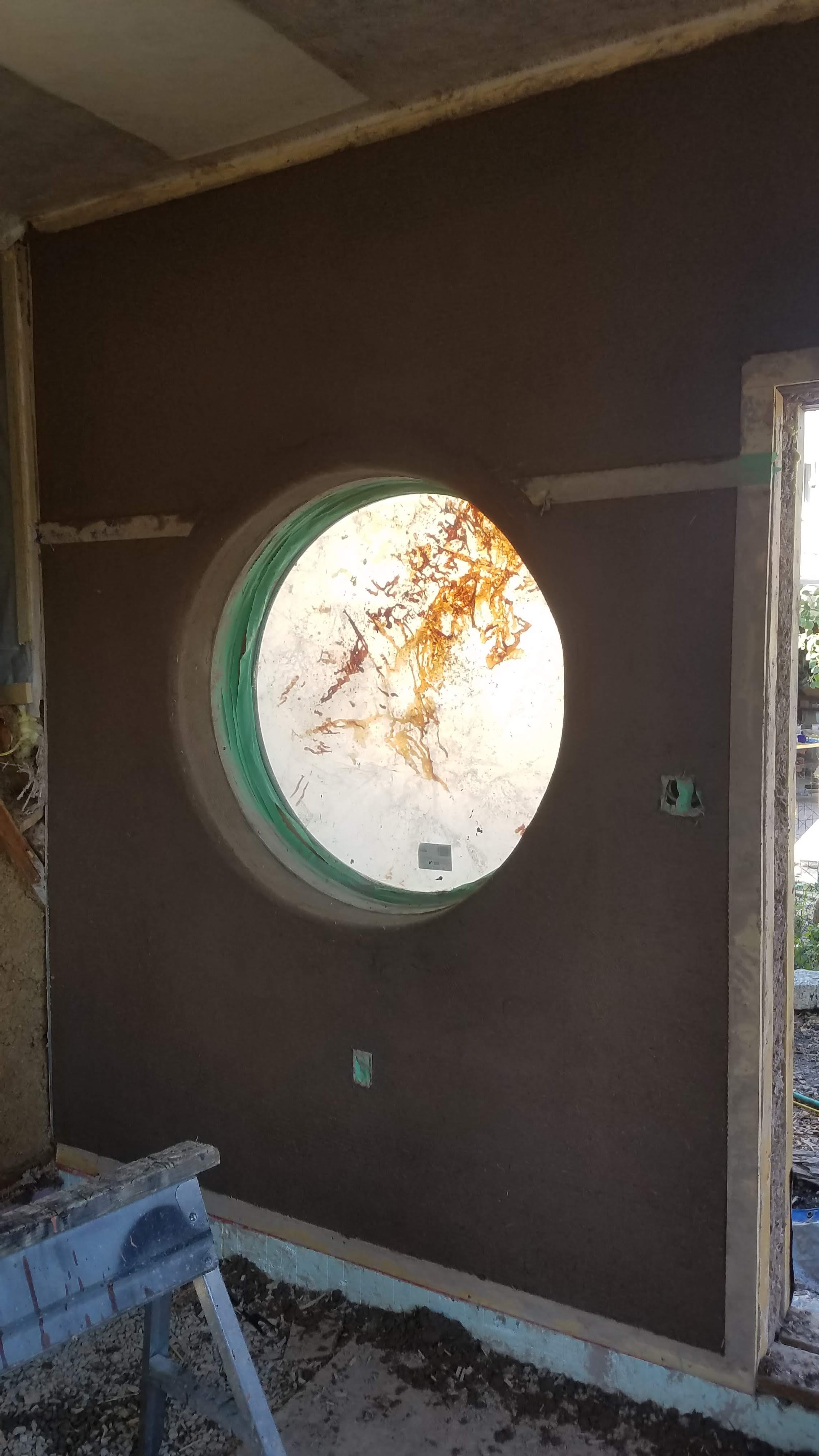
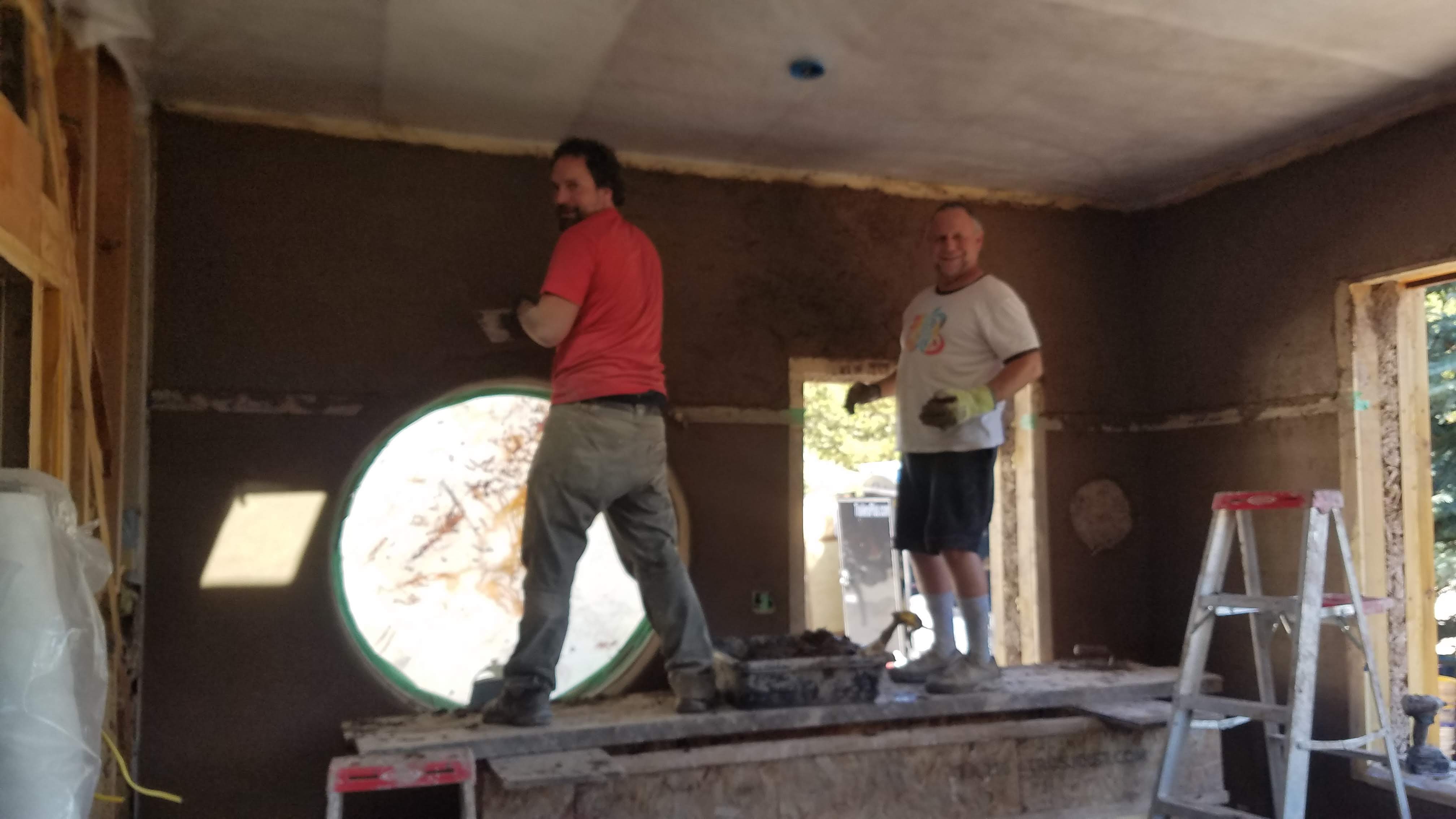
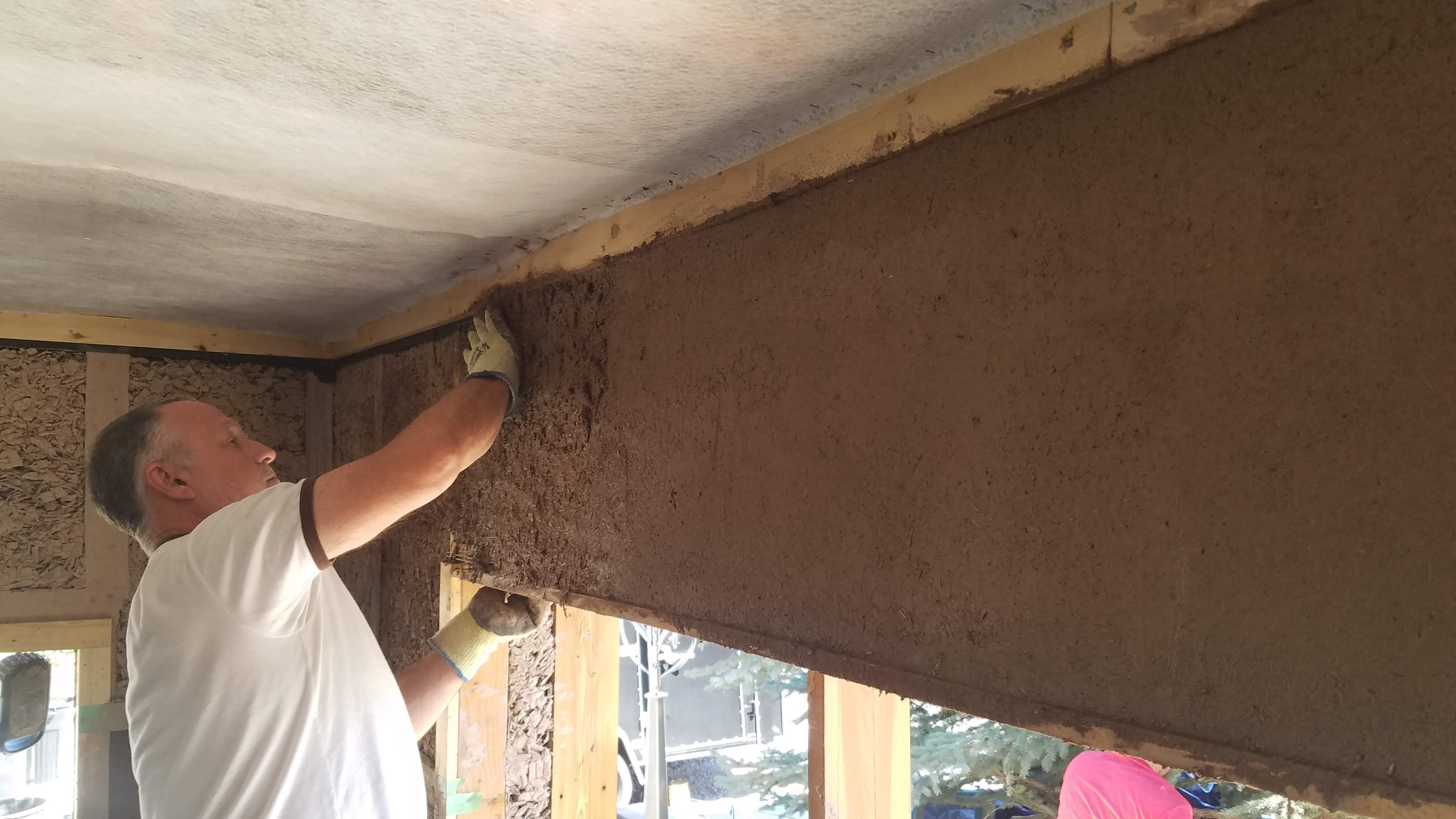
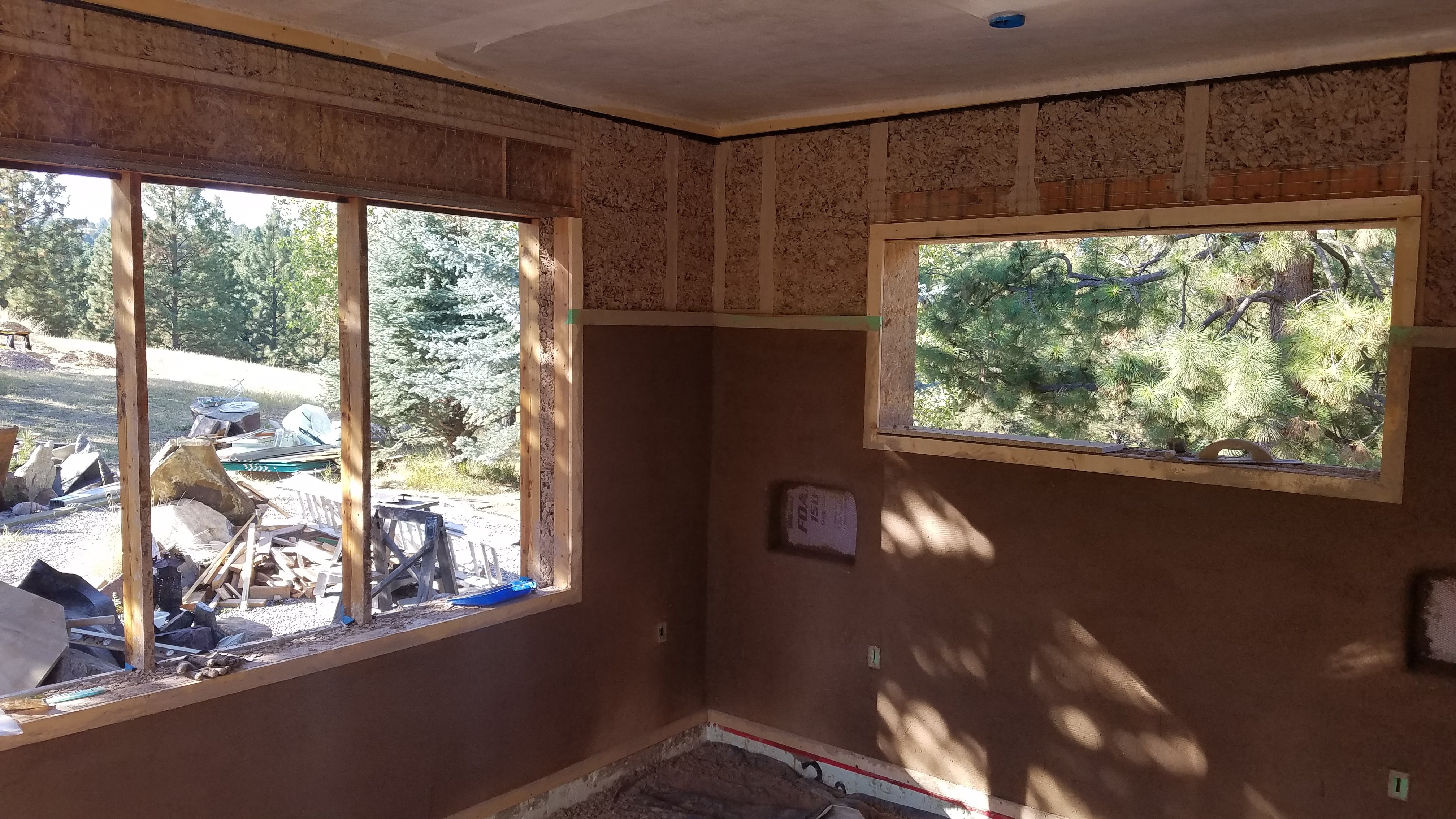
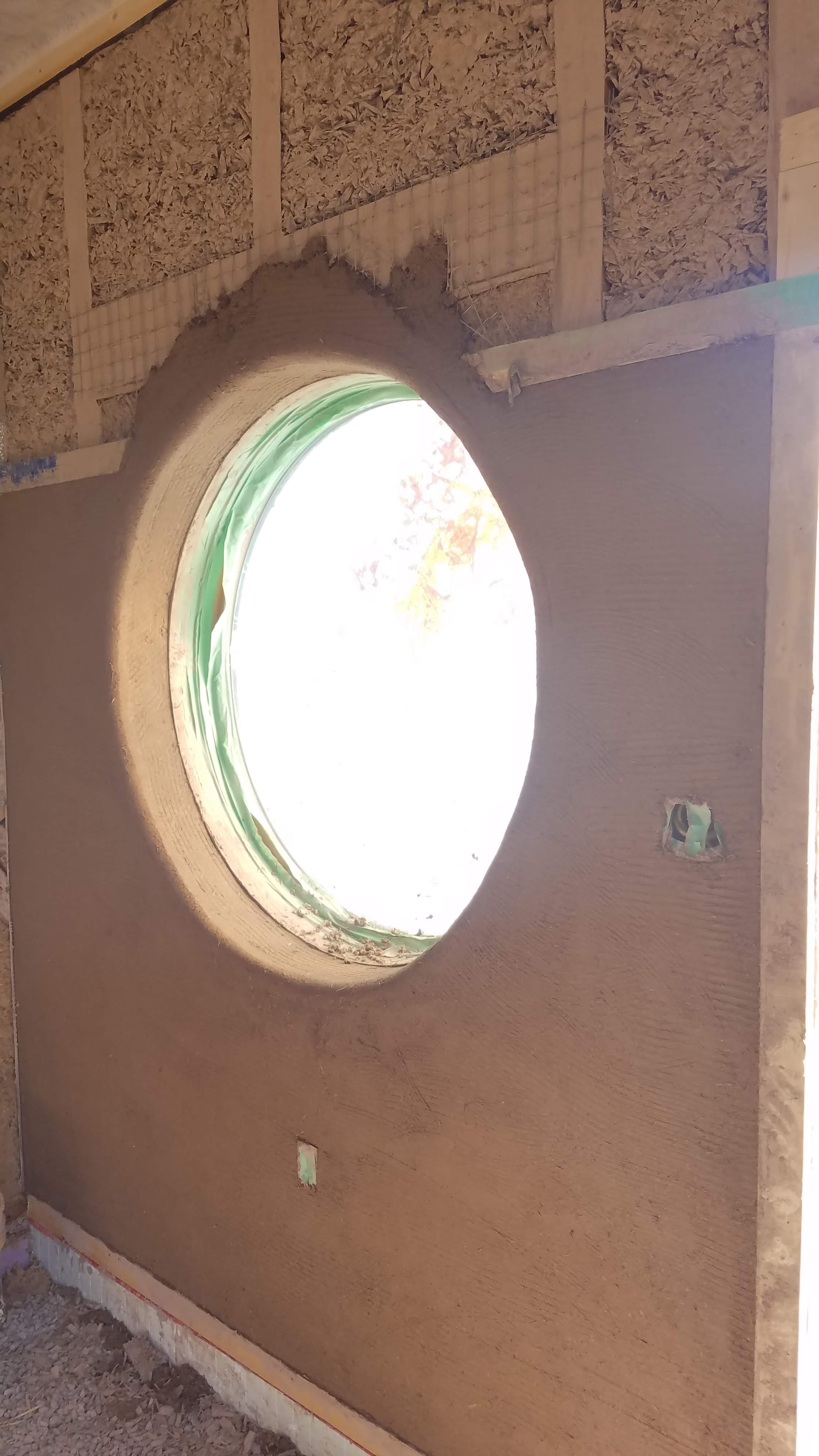
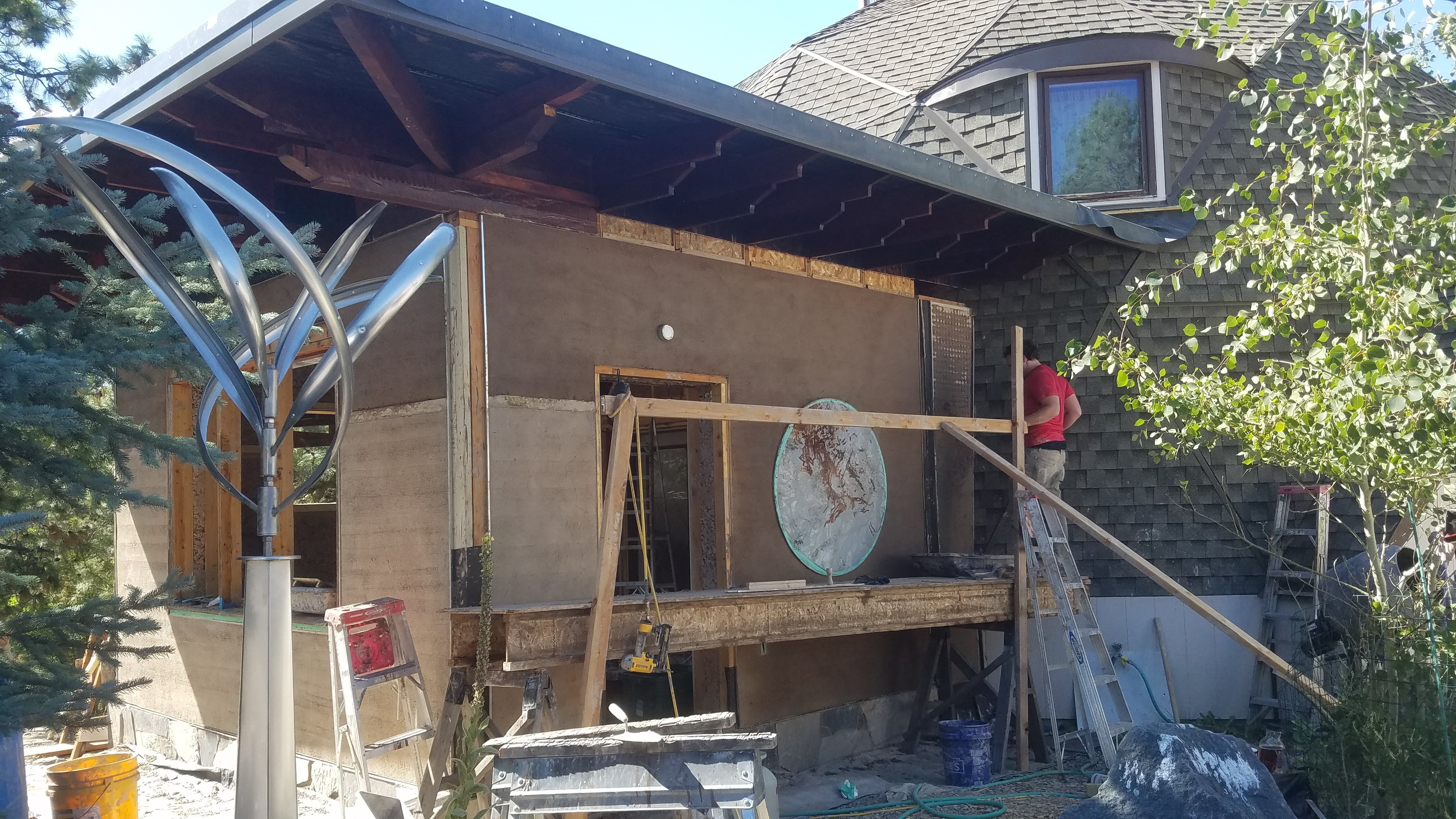
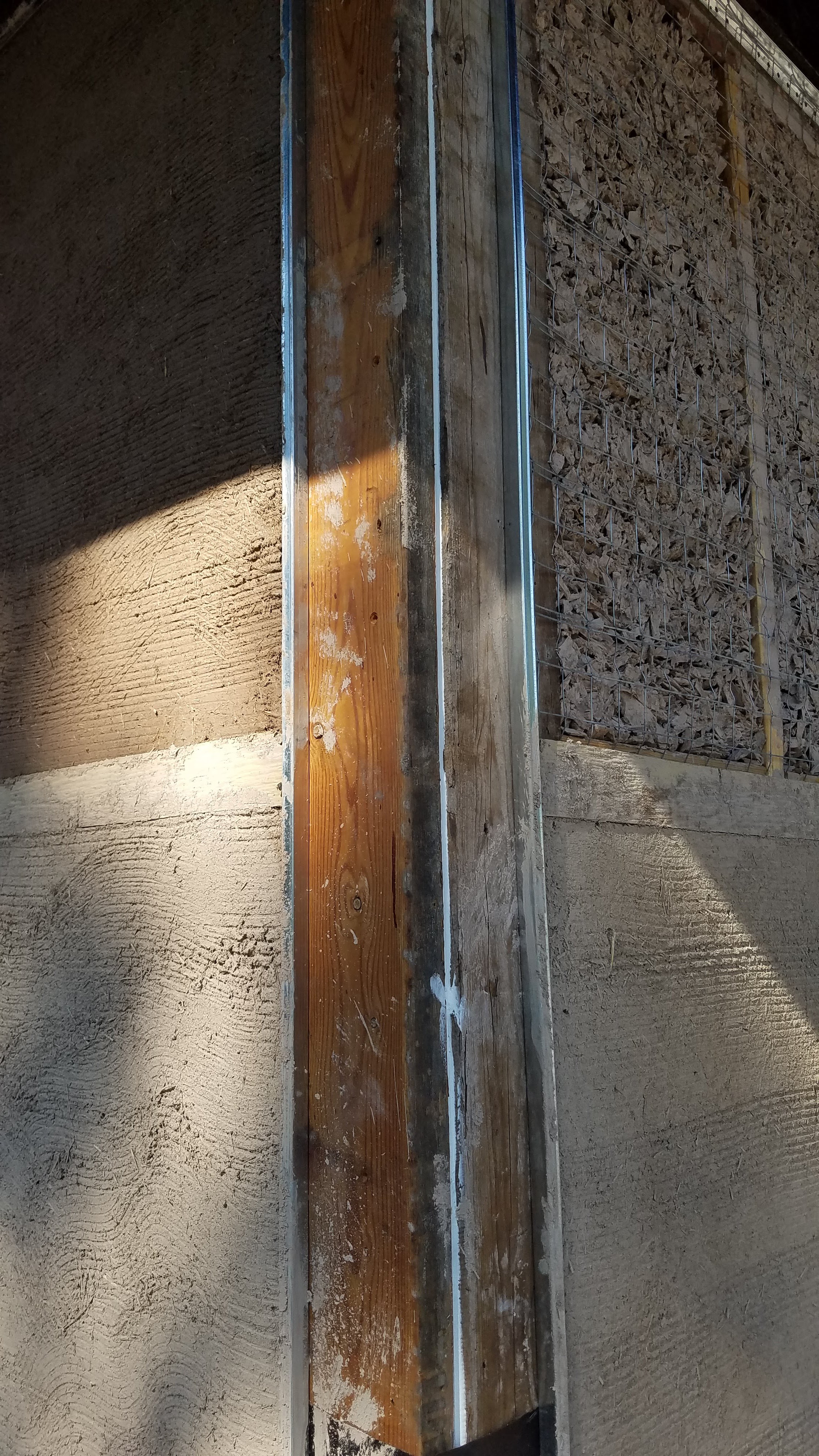
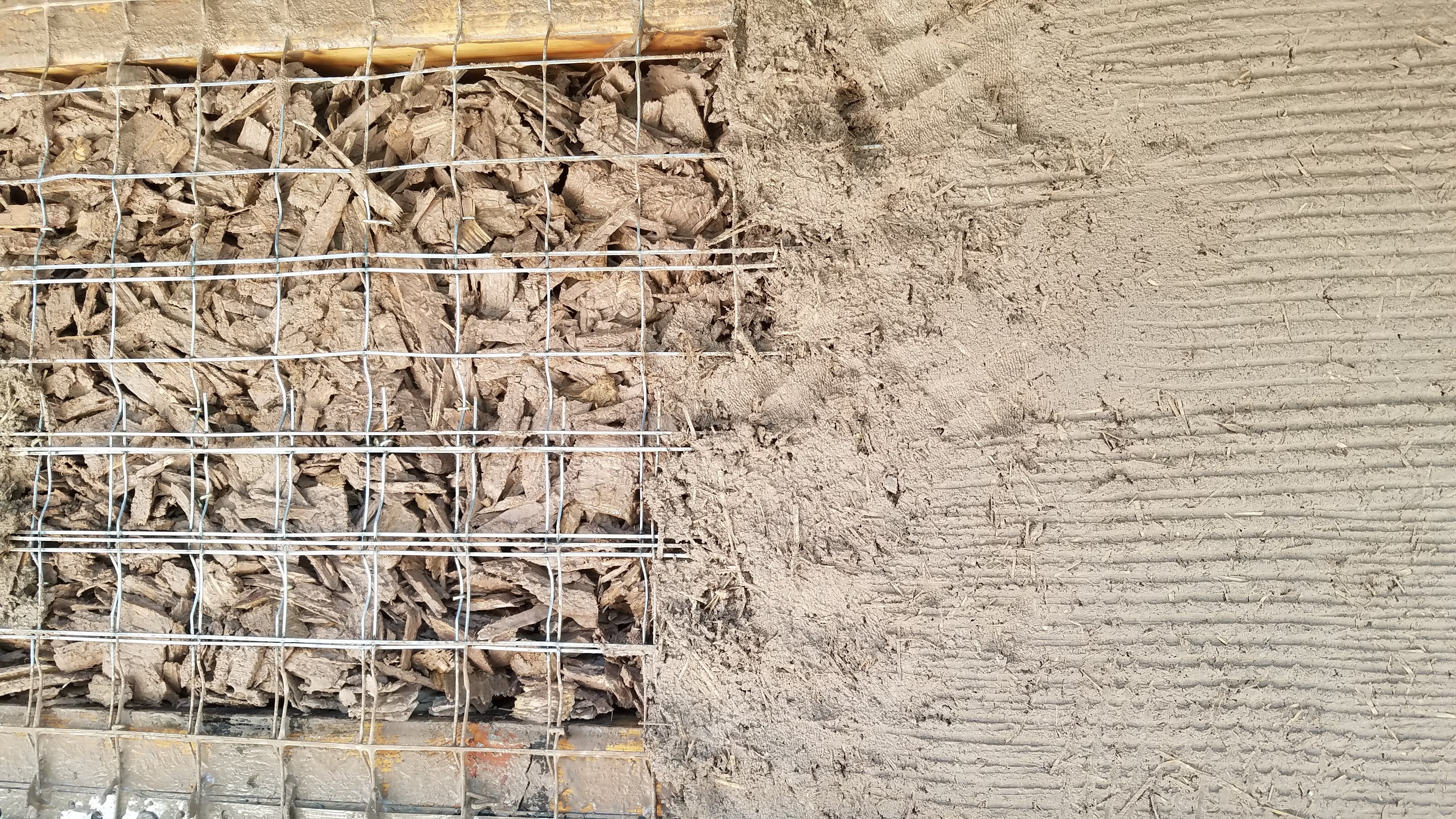
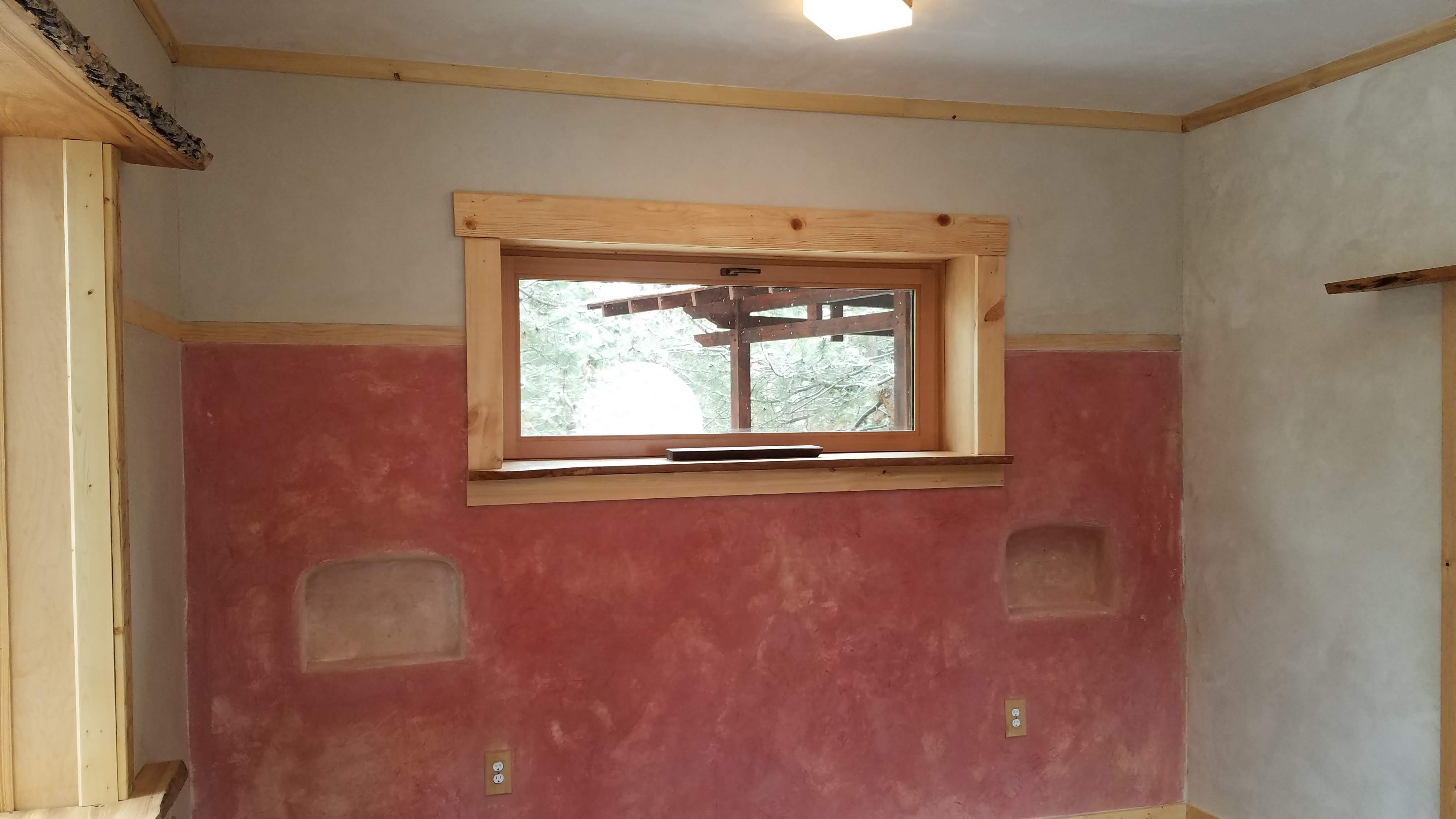
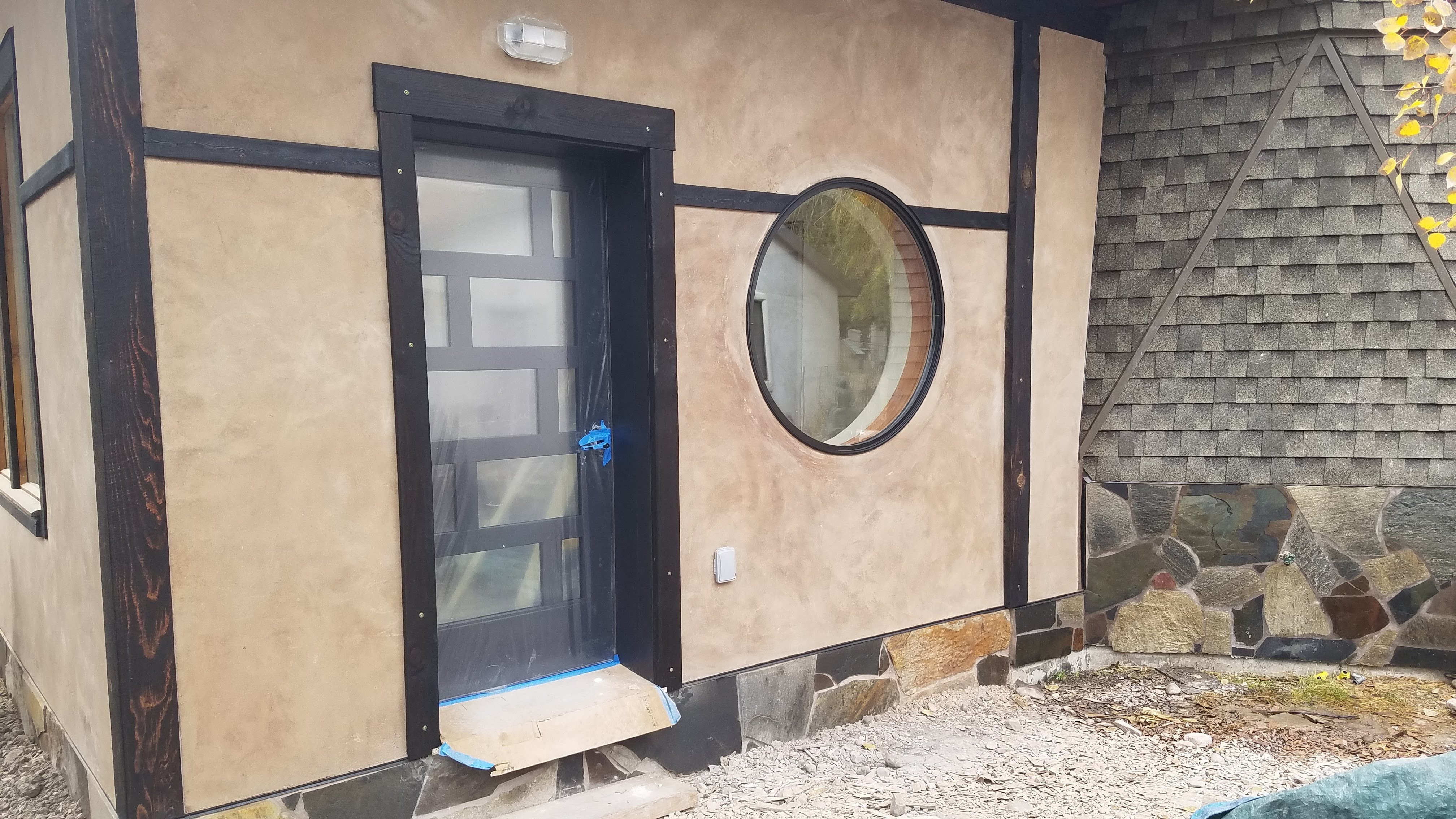
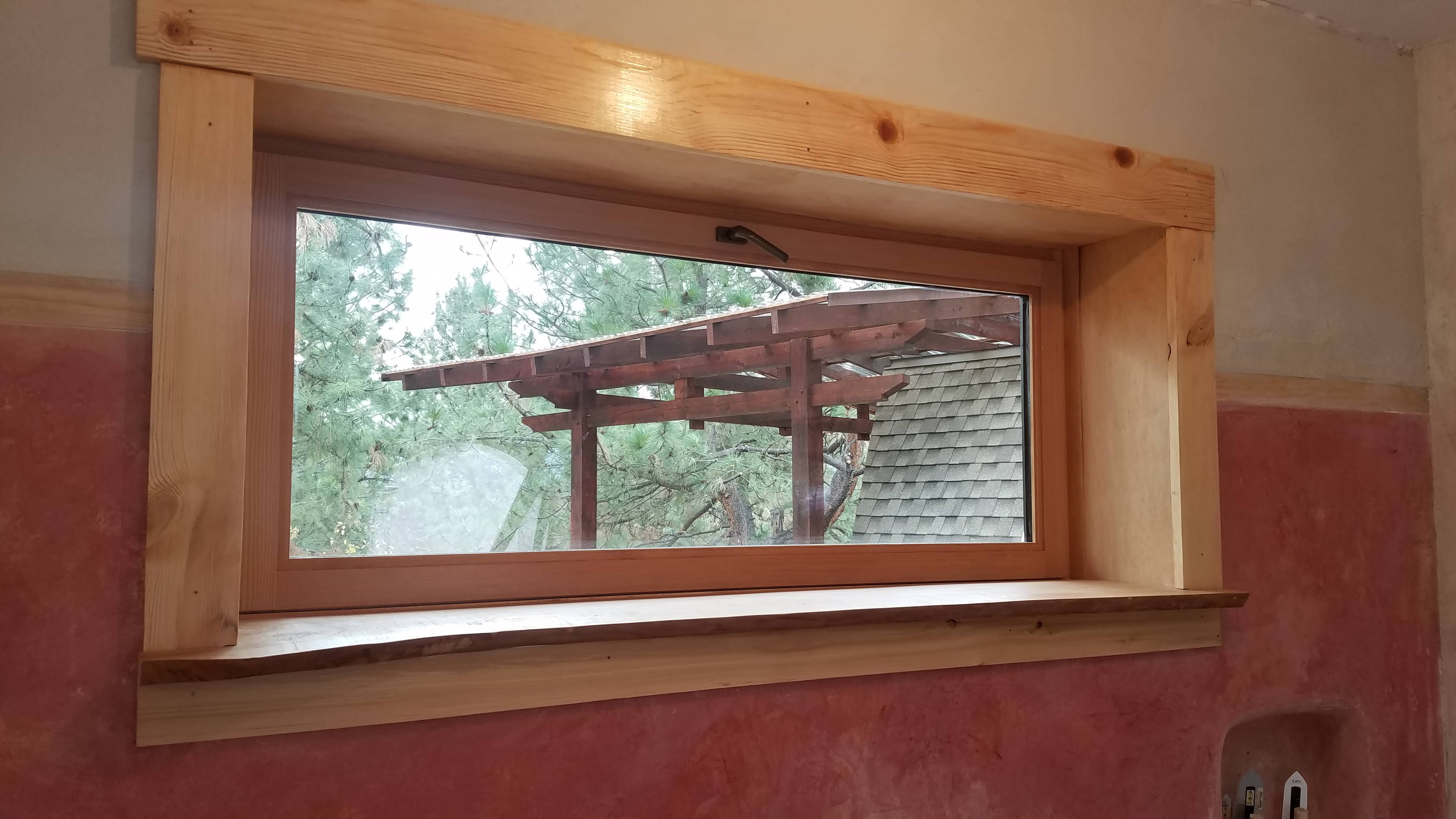
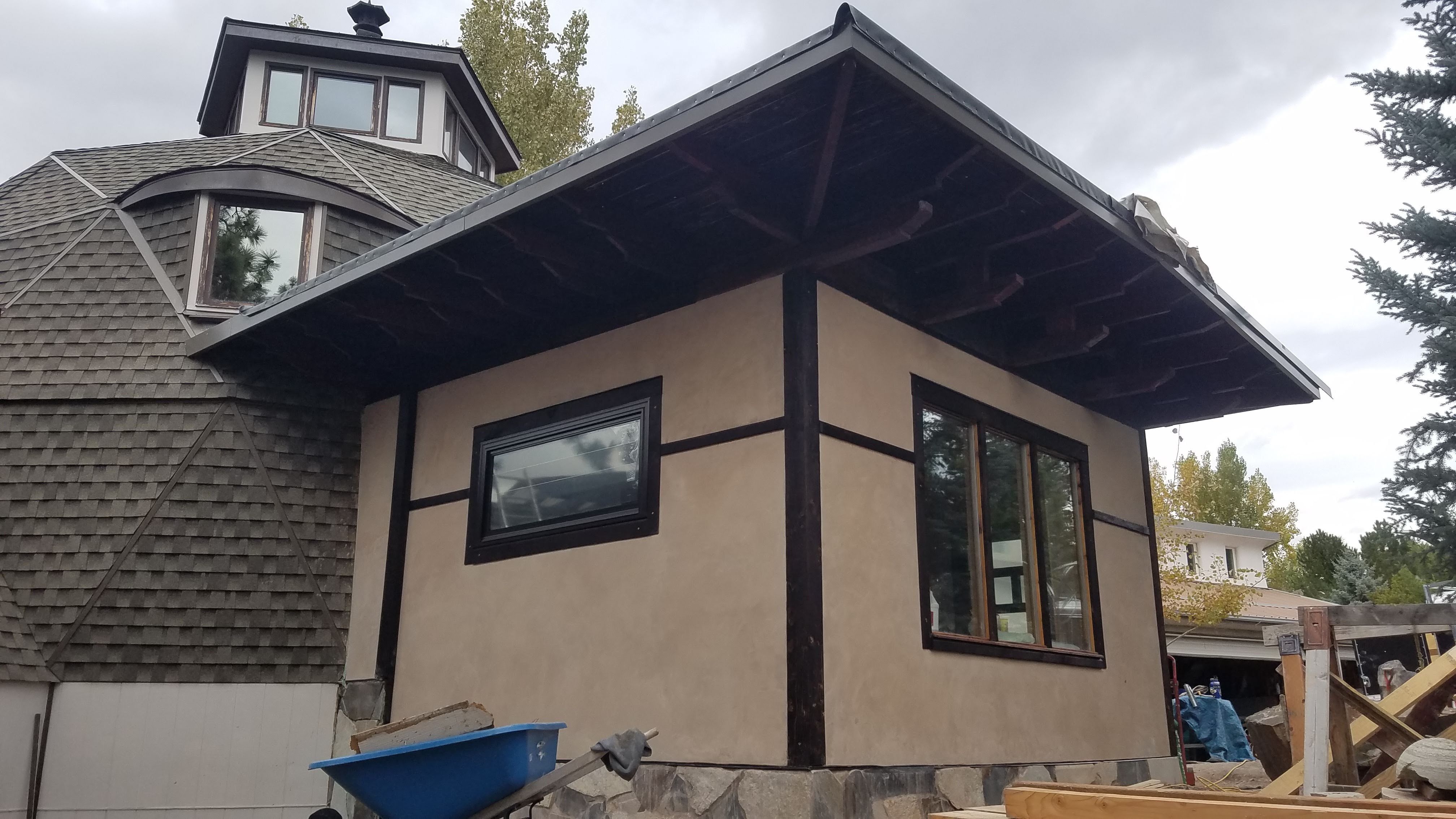
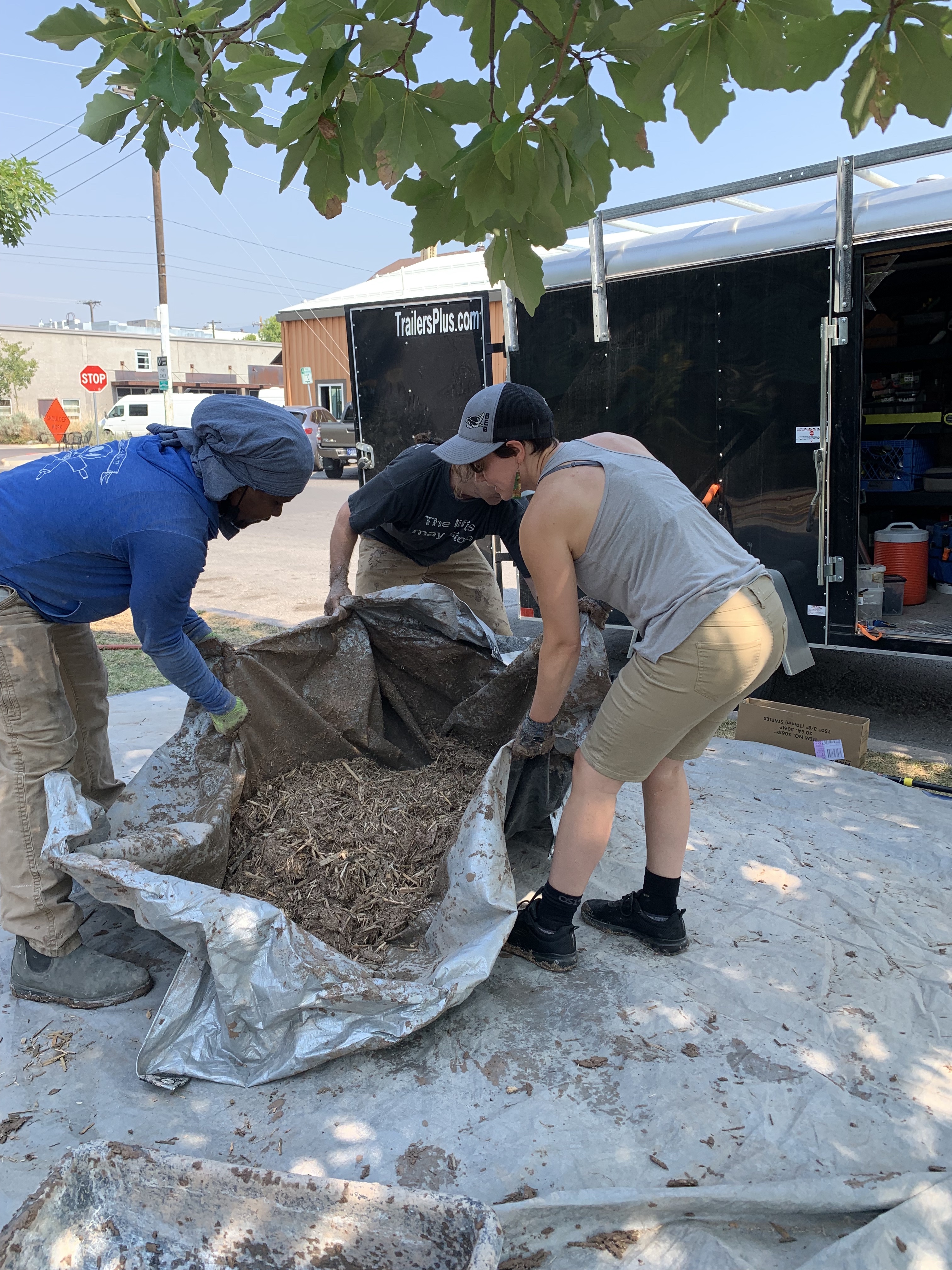
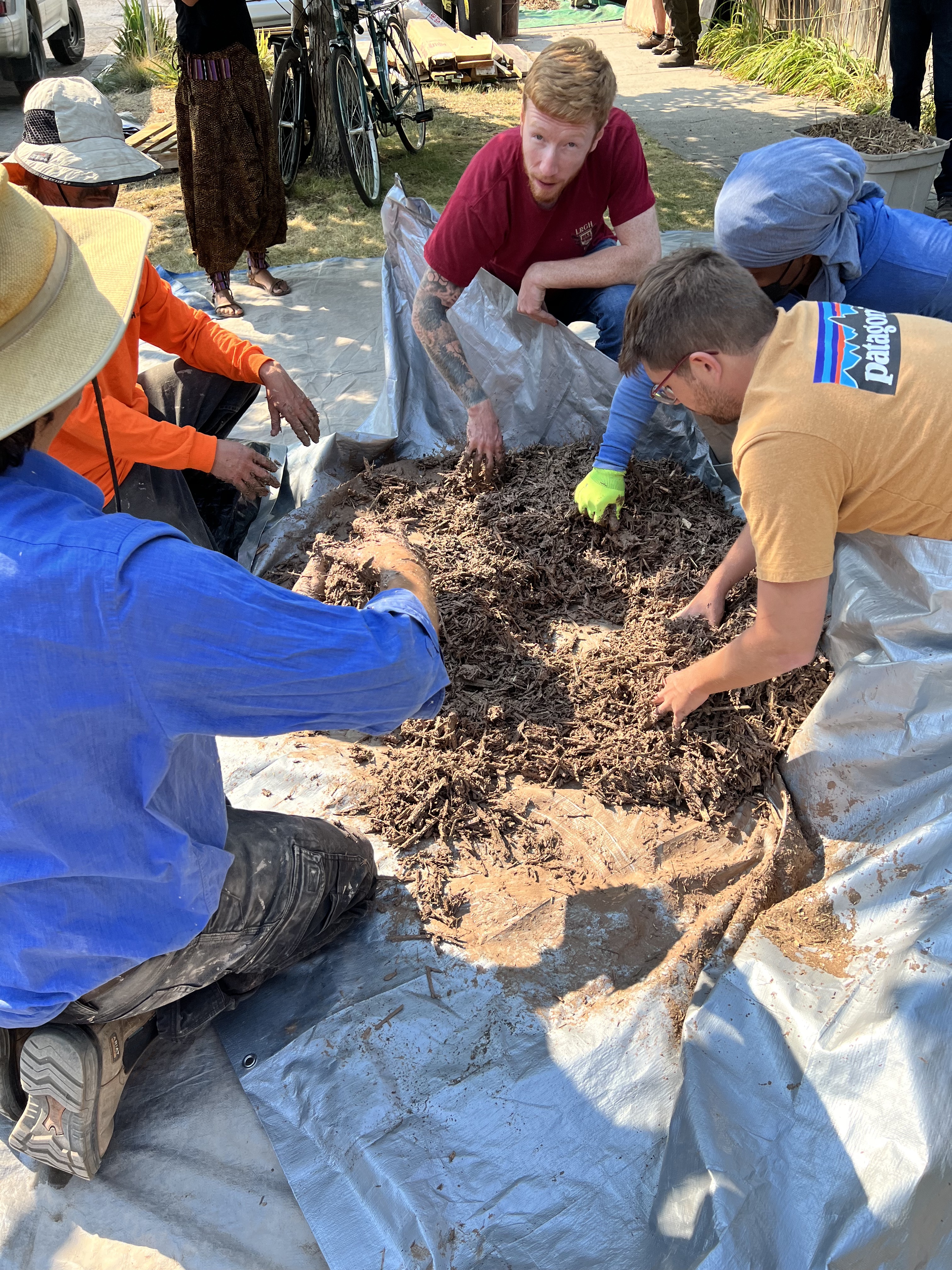
This natural building project has countless bioregional design principles namely the “Light Clay, or Light Earth” wall system, sometimes referred to as LSC (Light straw Clay) or Chip and Slip. In this instance the technique uses wood chip waste from artisan lumber mills and local clay soil from the valley to create dense packed monolithic, alumina silicate and cellulose insulated mass walls in a standard advanced framing double stud wall 12 inches thick. It is similar to rammed earth in technique but it has a high insulation value, is breathable, fire resistant, and has light framing wrapped in the mass wall.
We have used this technique with chipped forest thinning materials that included the bark, pine needles and woody branches. We have used agricultural waste like, rice hulls, wheat, barley, and rice straw in different thicknesses and proportions depending on the needs of the bioregion.
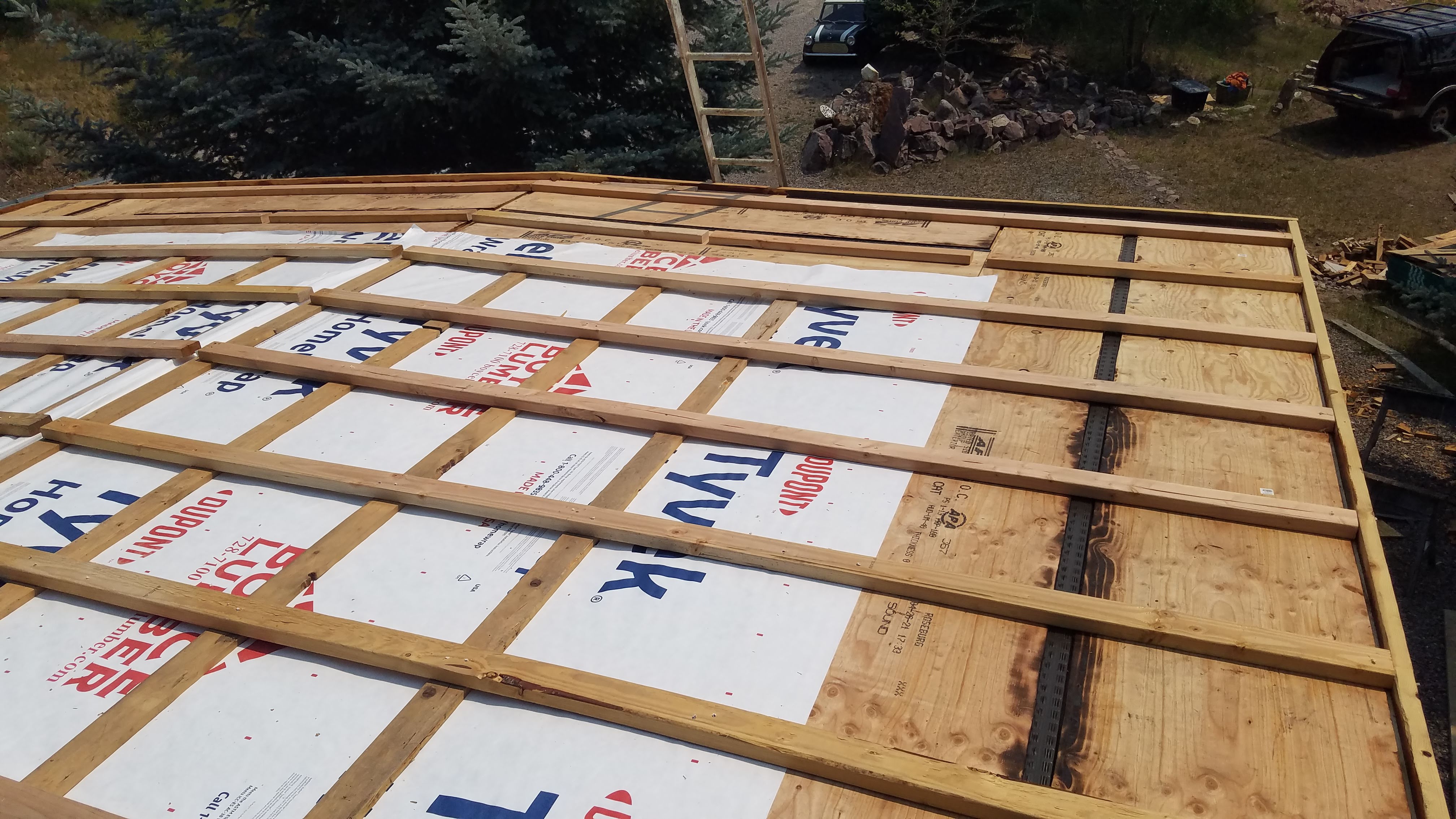
The roof and wall structure repurposed nearly all of the “waste” from a covered deck and porch roof that was on the location as well as material for forms, scaffold, and timber framing of the corbel trusses.
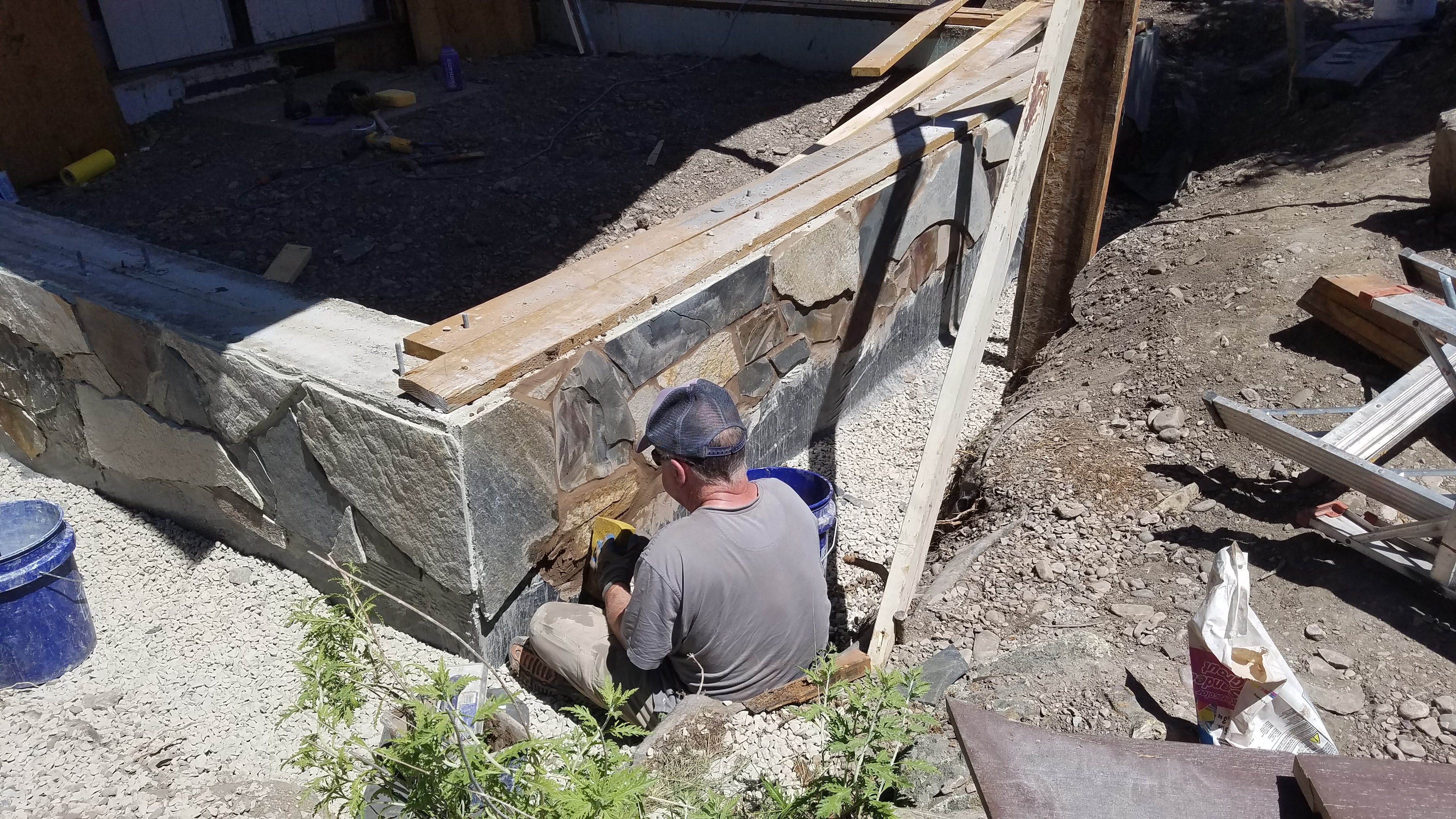
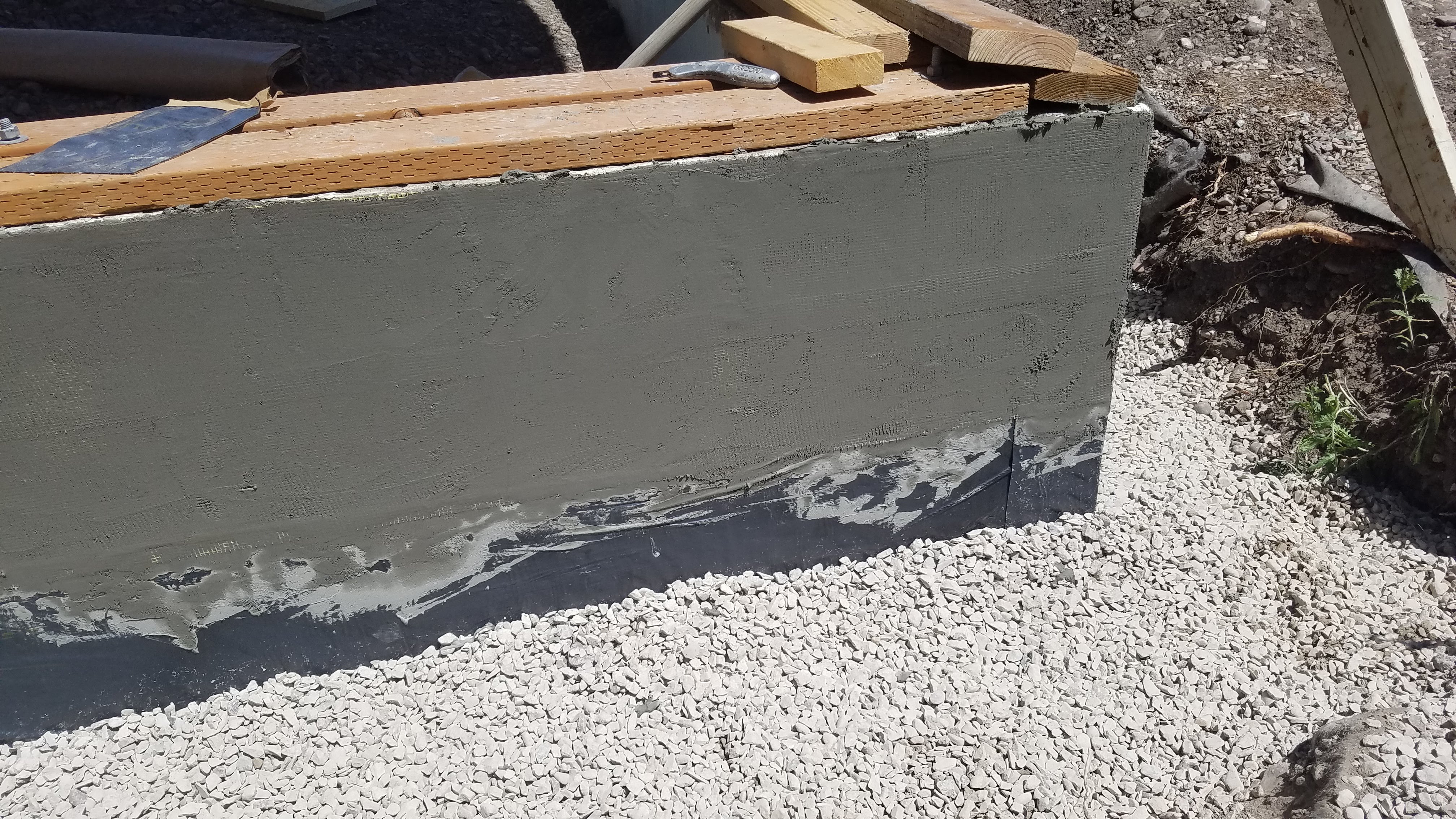
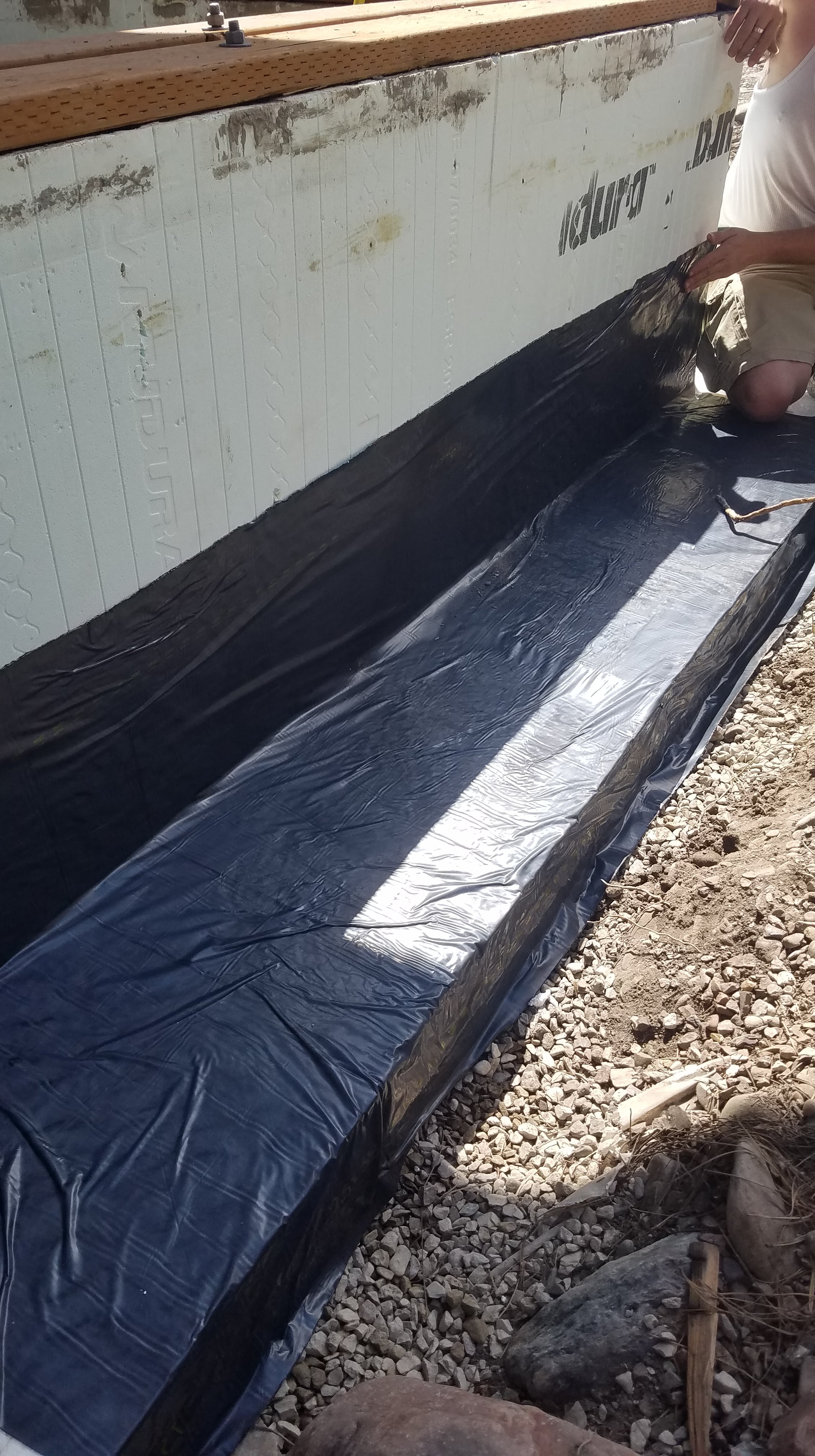
The floor incorporates a vapor protected insulated wood slab, covered in bamboo flooring, rather than a joist floor or concrete slab. The foundation has a local stone cladding over 13″ ICF (insulated concrete forms) mono poured footer and stem wall with 4″ thick sloped wing insulation at the footer.
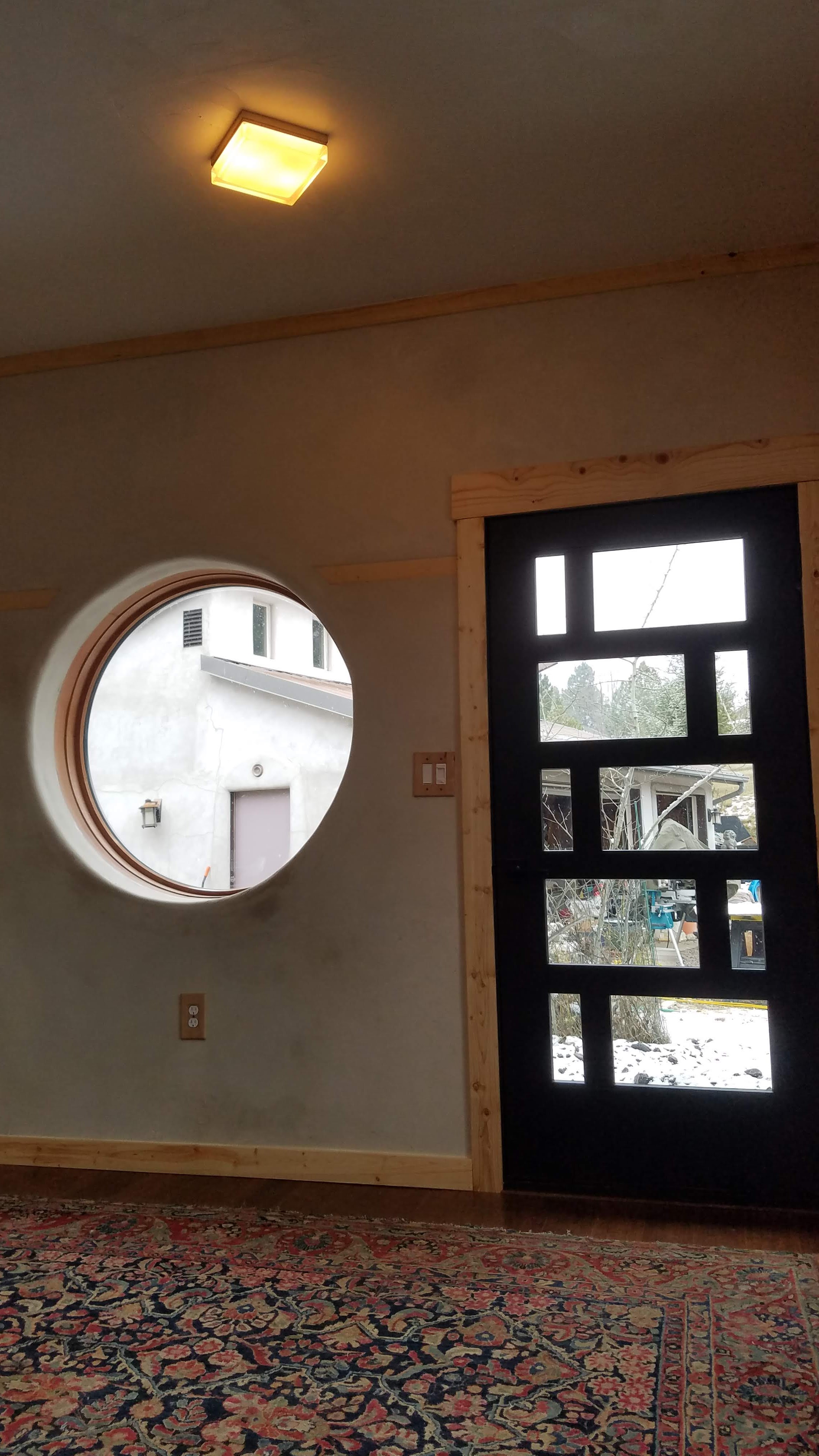
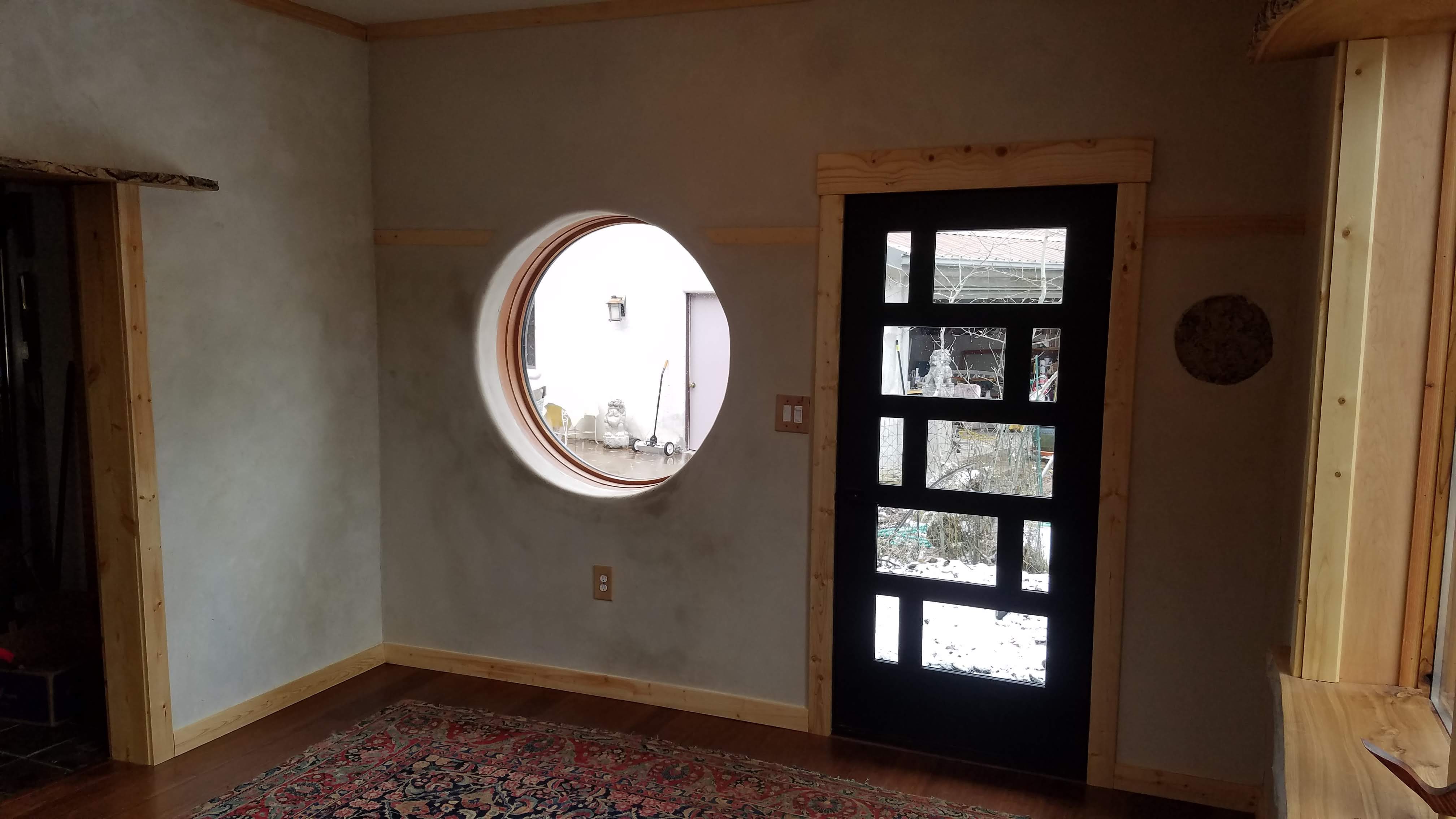
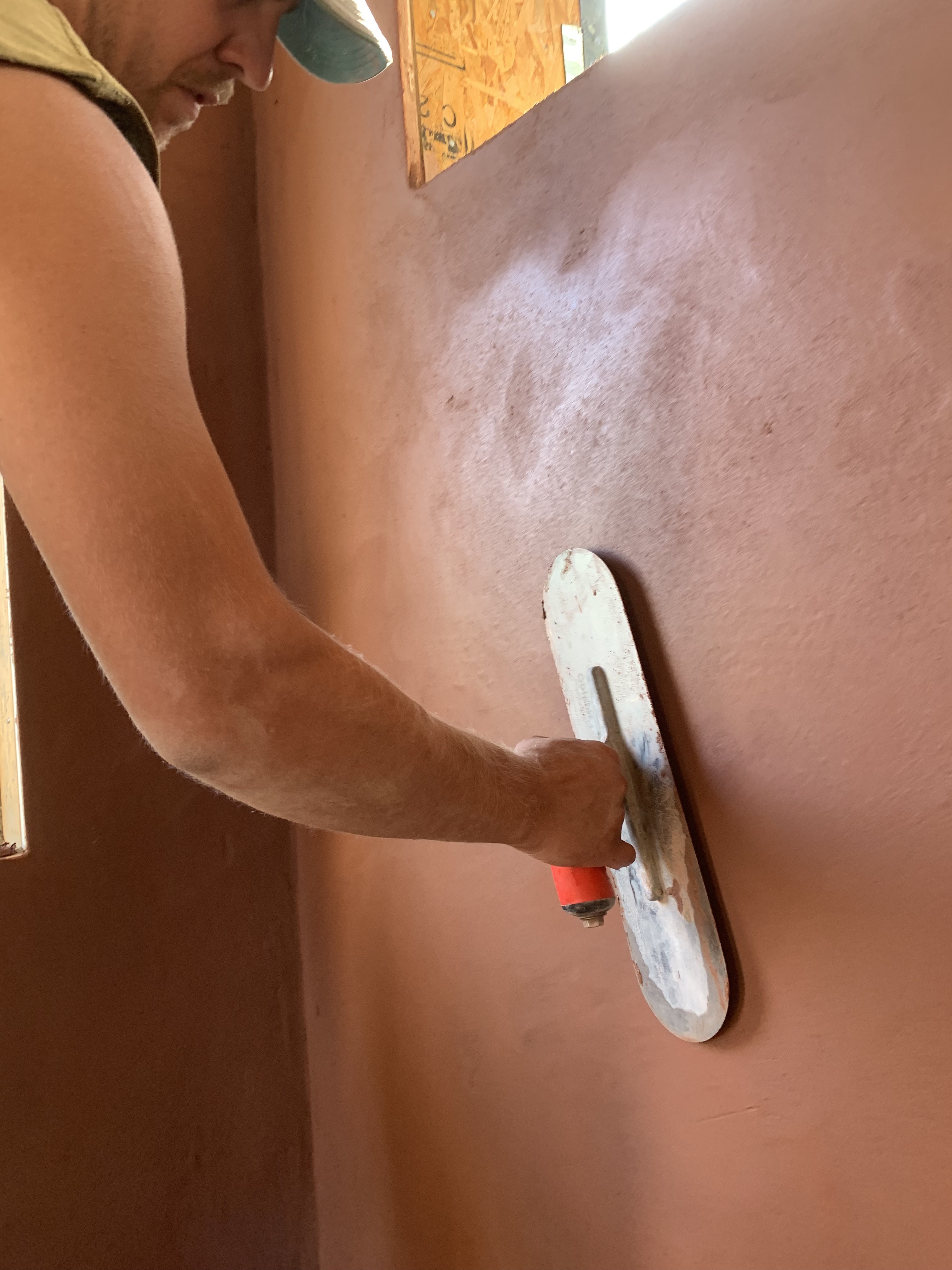
The walls are plastered in clay, sand, fiber stucco and protected by 4′ roof overhangs and plaster starts 18″ above grade. The epdm roof is uv protected by local stone ballast and recycled steel stud gravel stops.
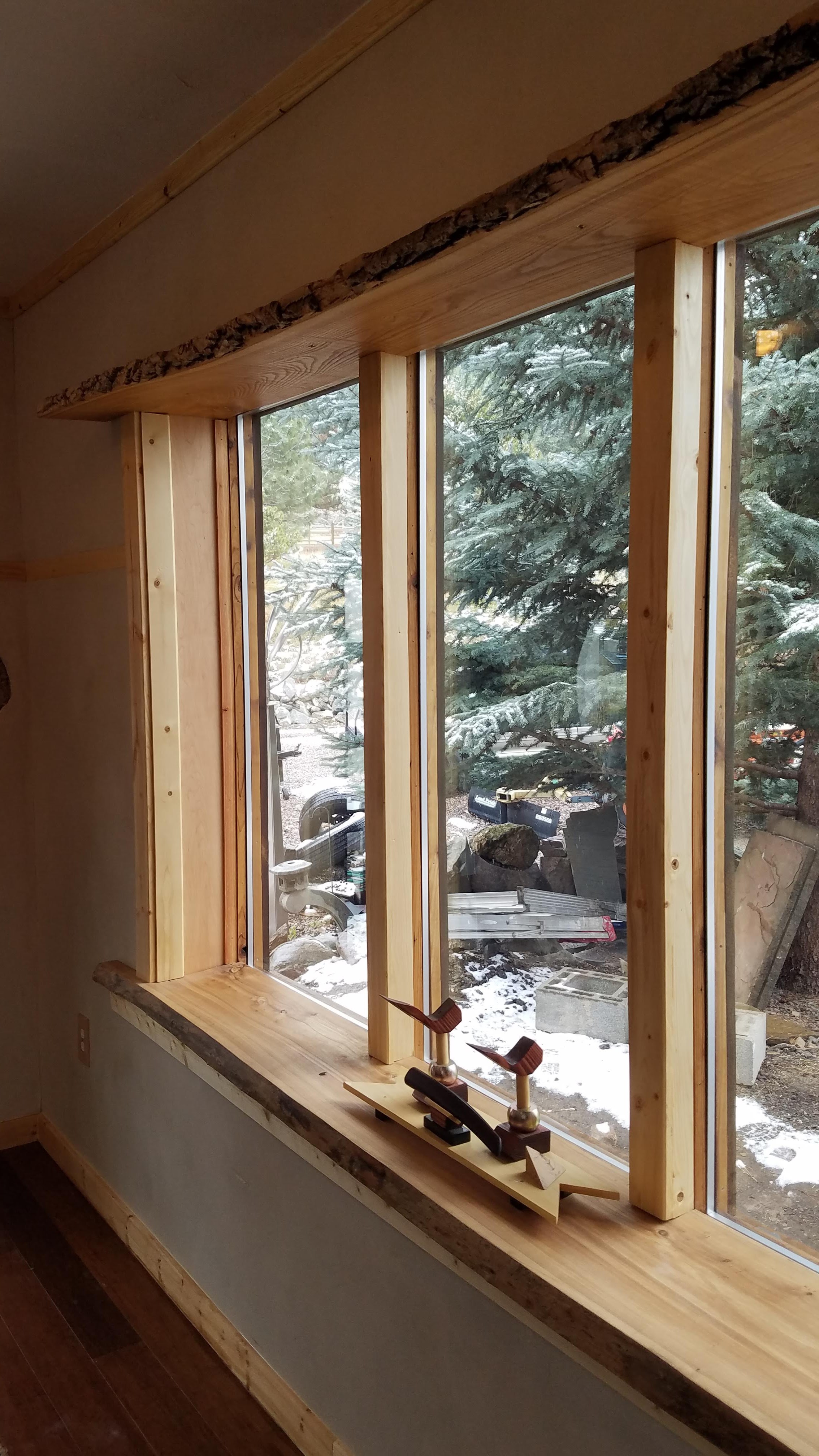
The massive walls of earth and wood maintain a cool interior space in the hot summer months and the vented dense packed cellulose roof trusses and the monolithic insulated mass walls will hold in and store heat in the winter. The long eaves, placement and orientation of the windows will allow for winter sun to enter into the space but remain shaded in the hot months.





Historic, Hickory Street Renovation and addition
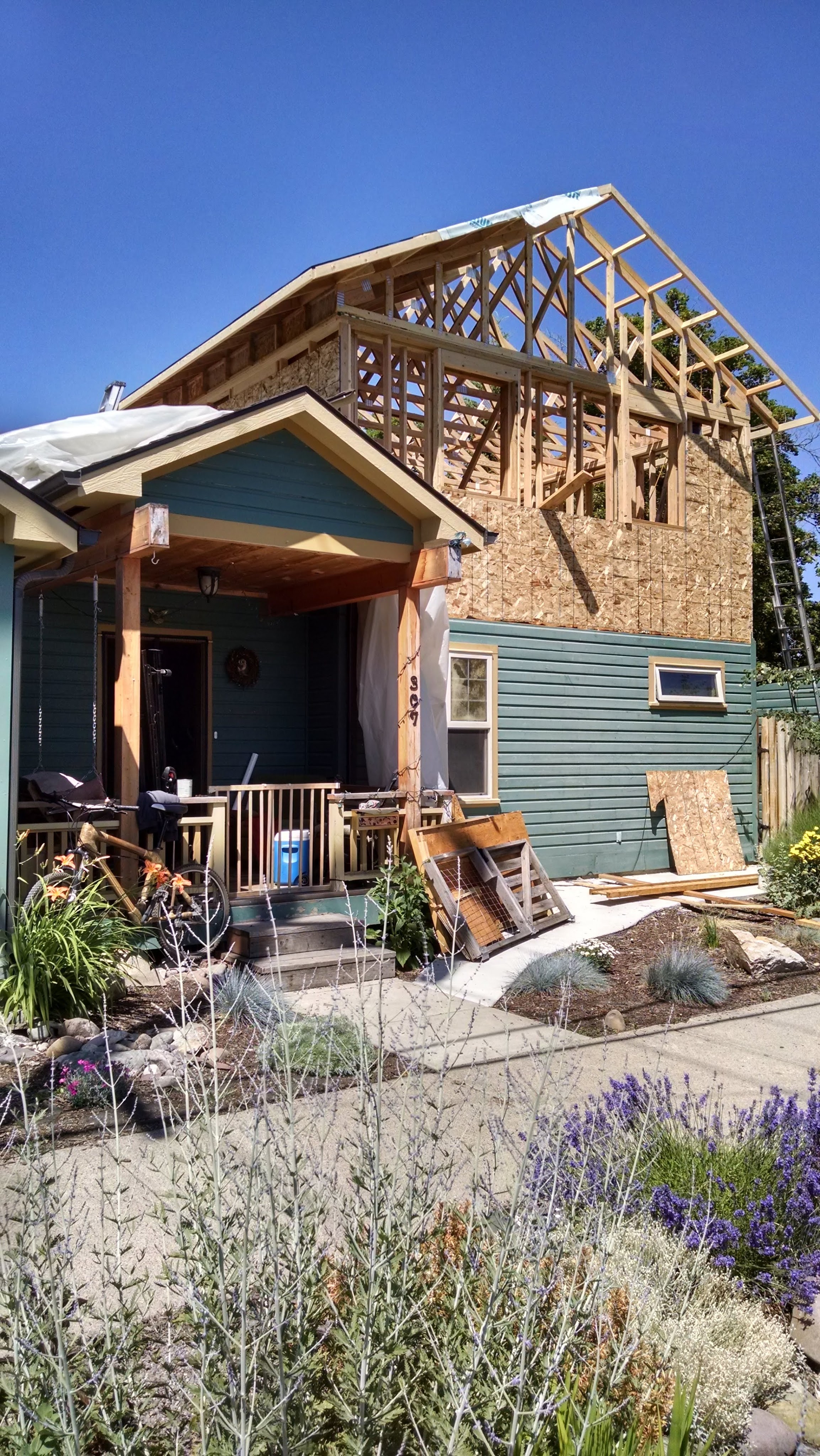
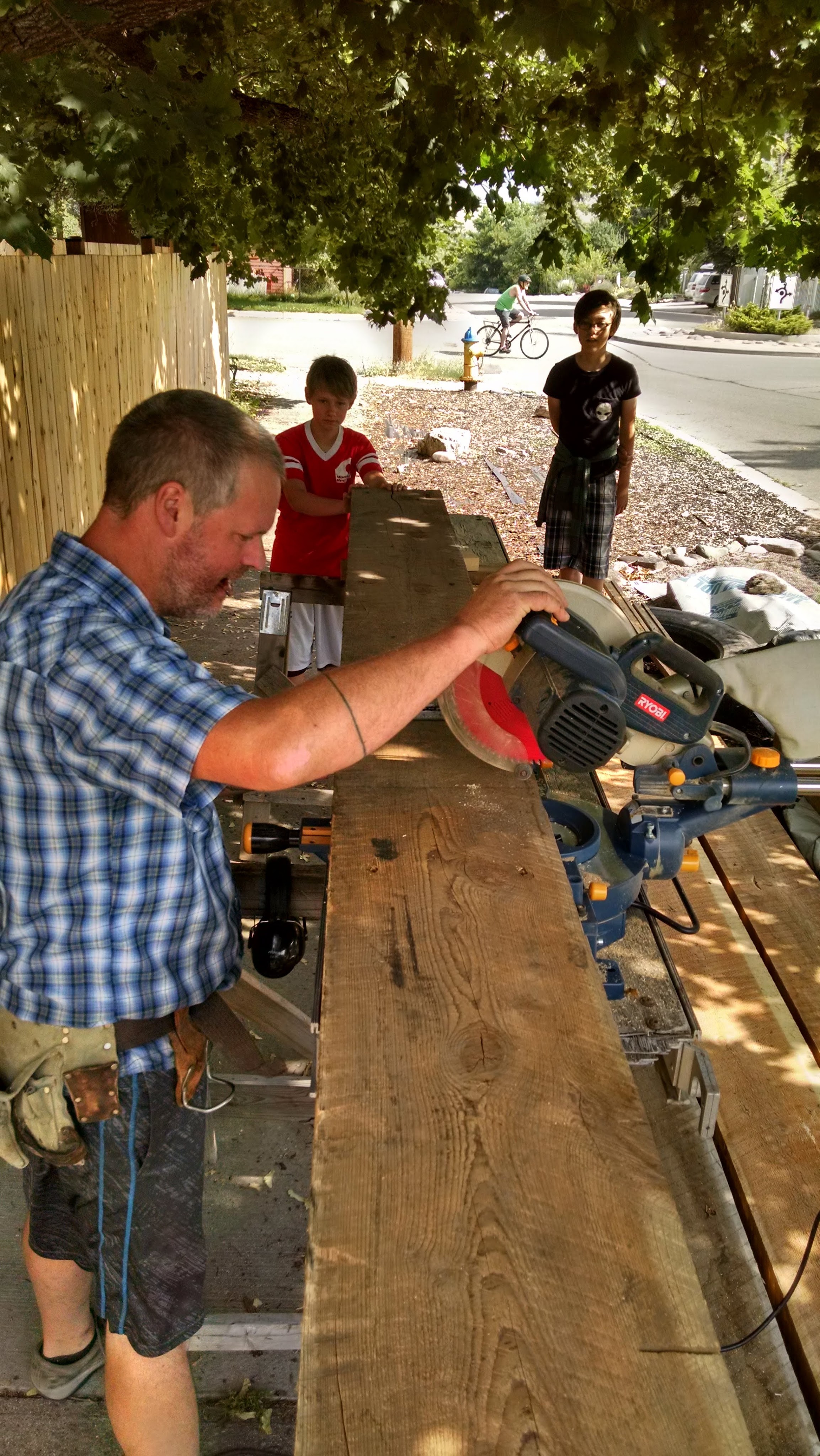
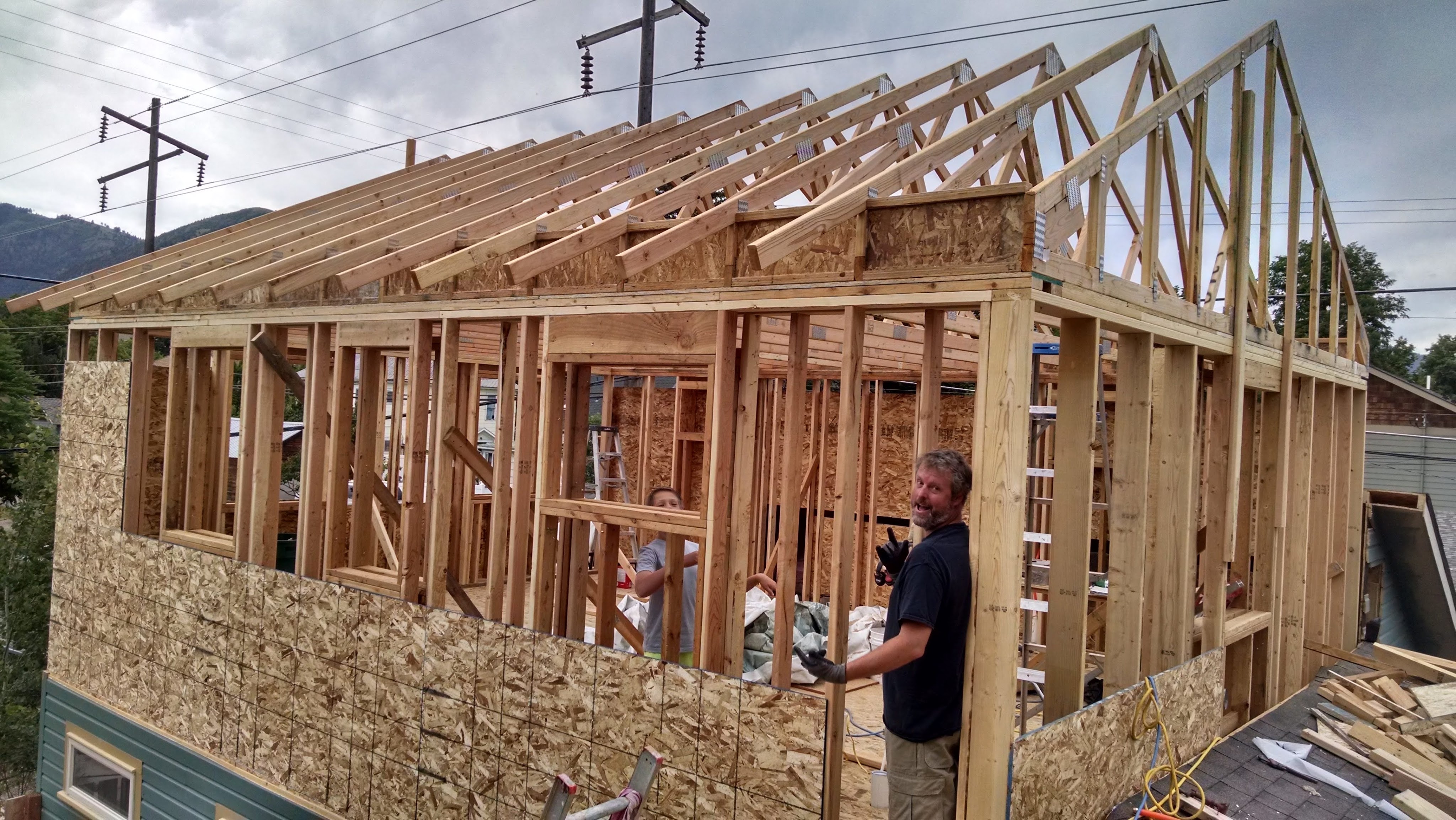
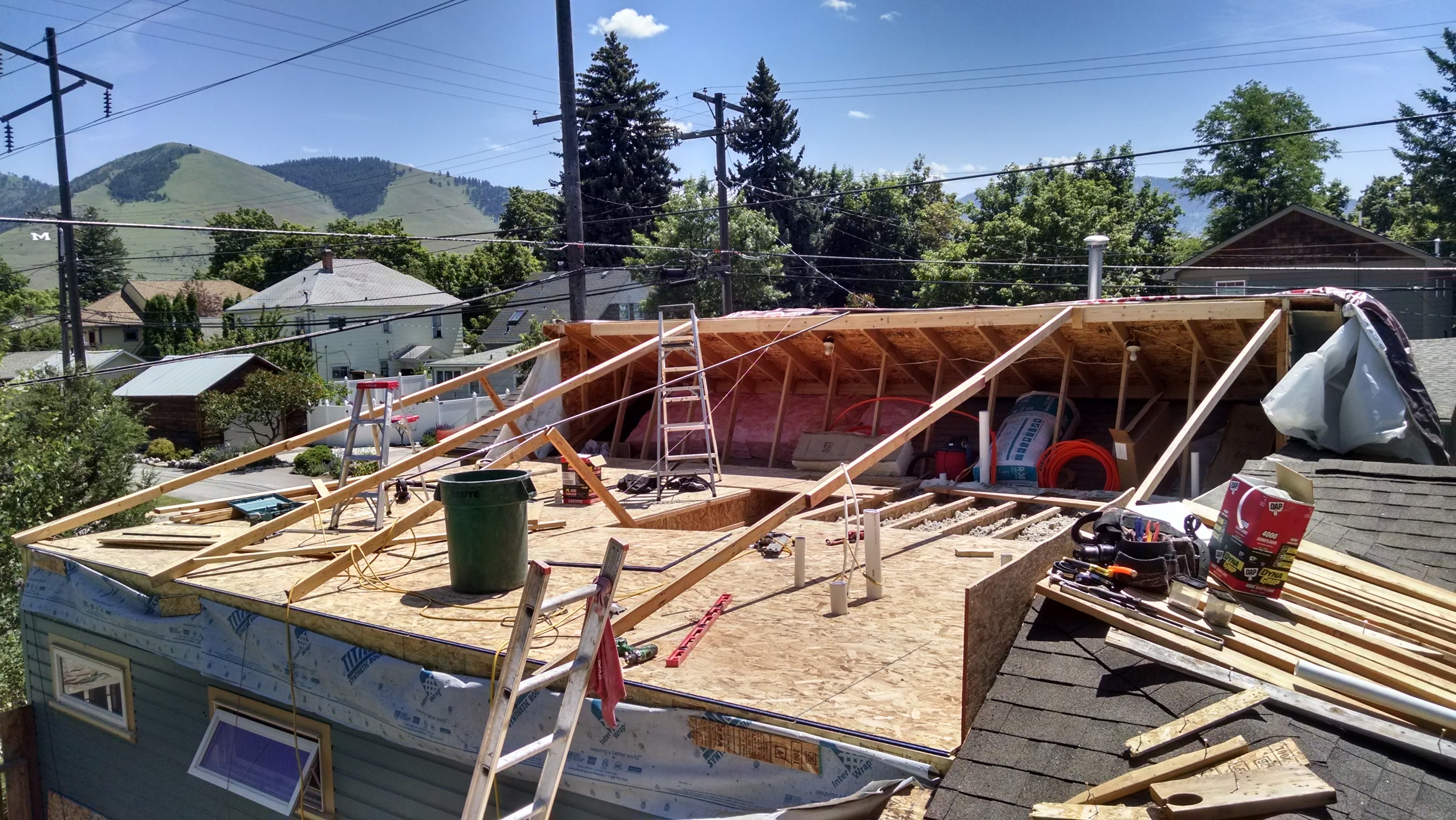
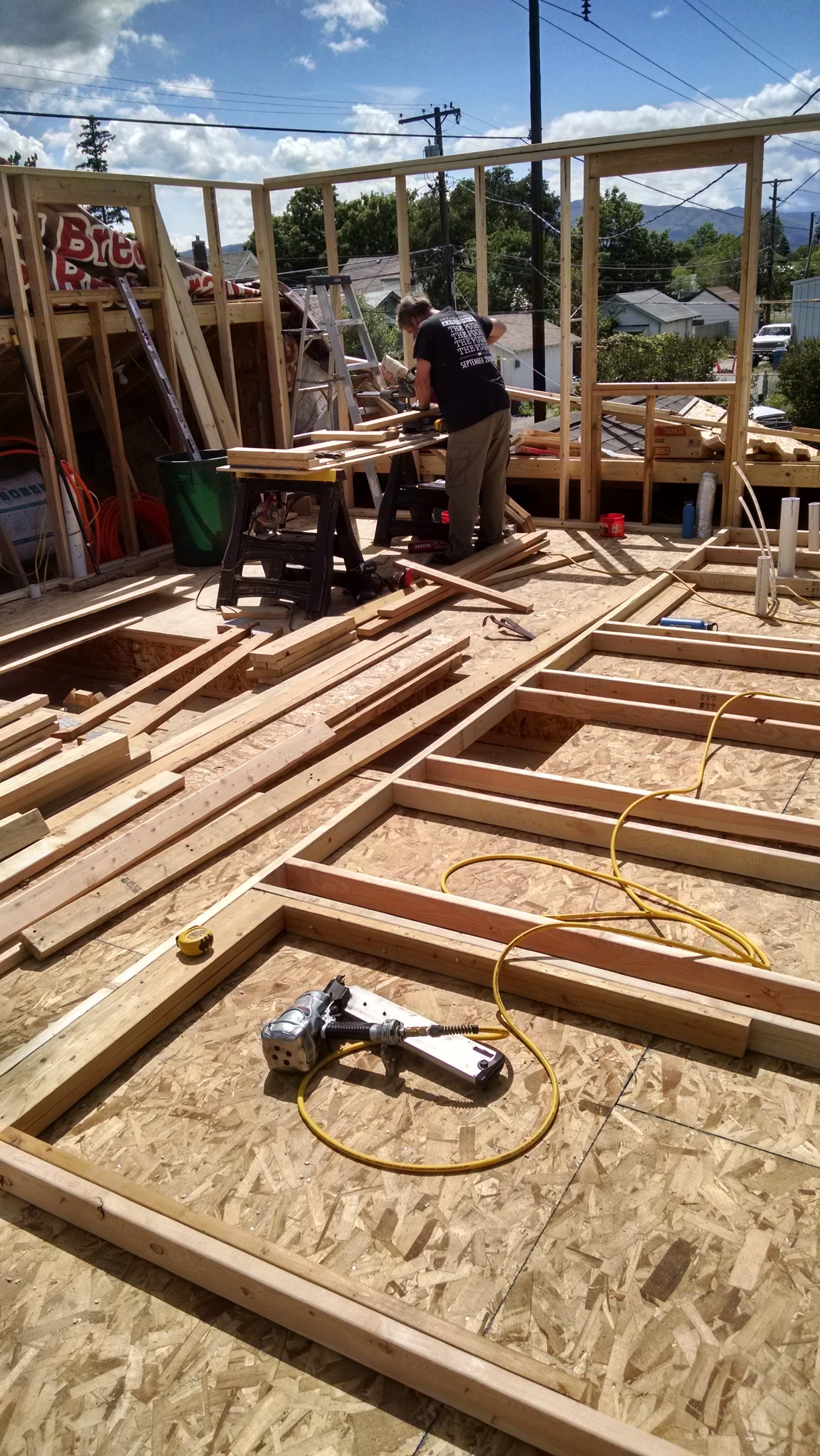
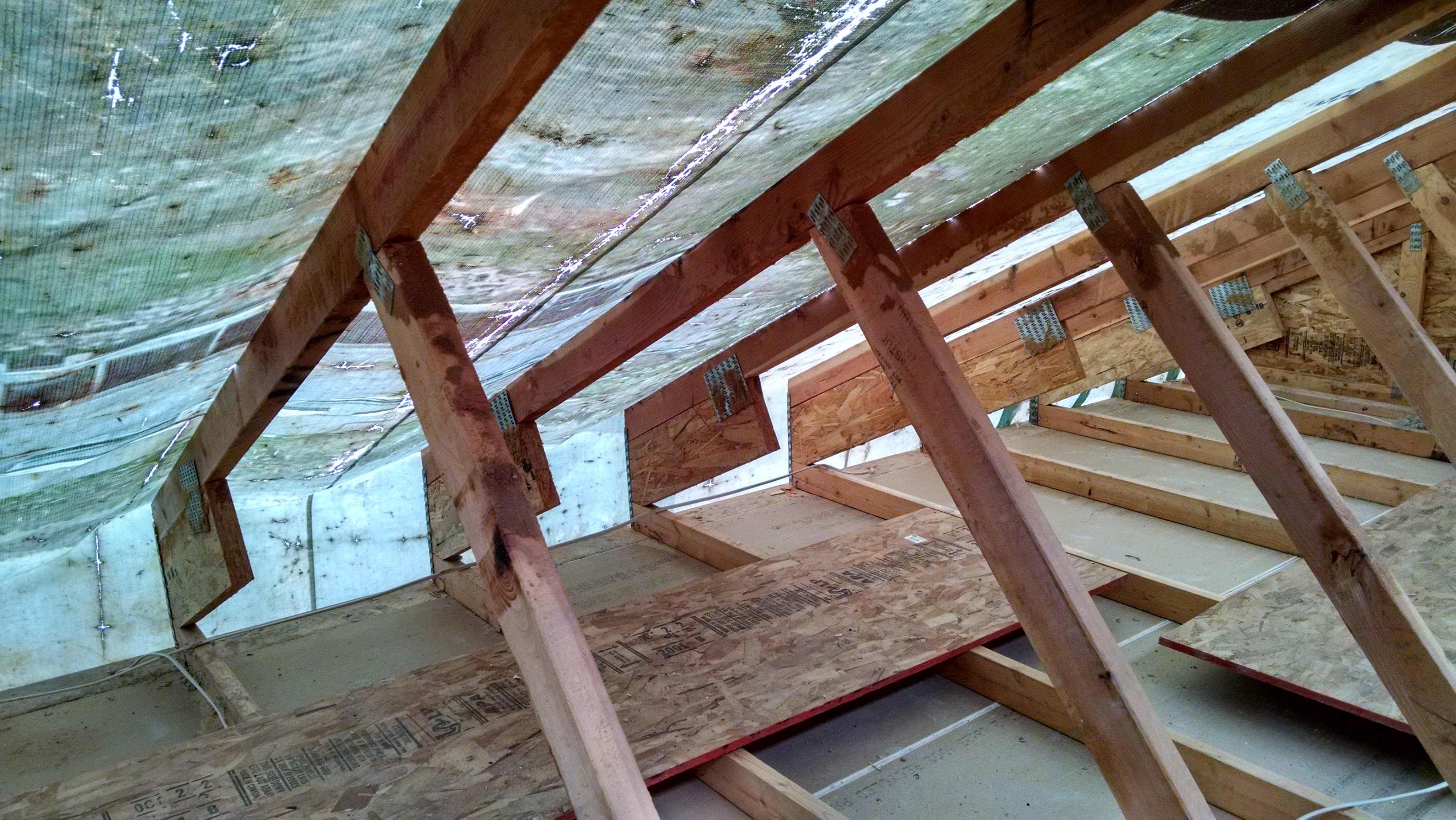
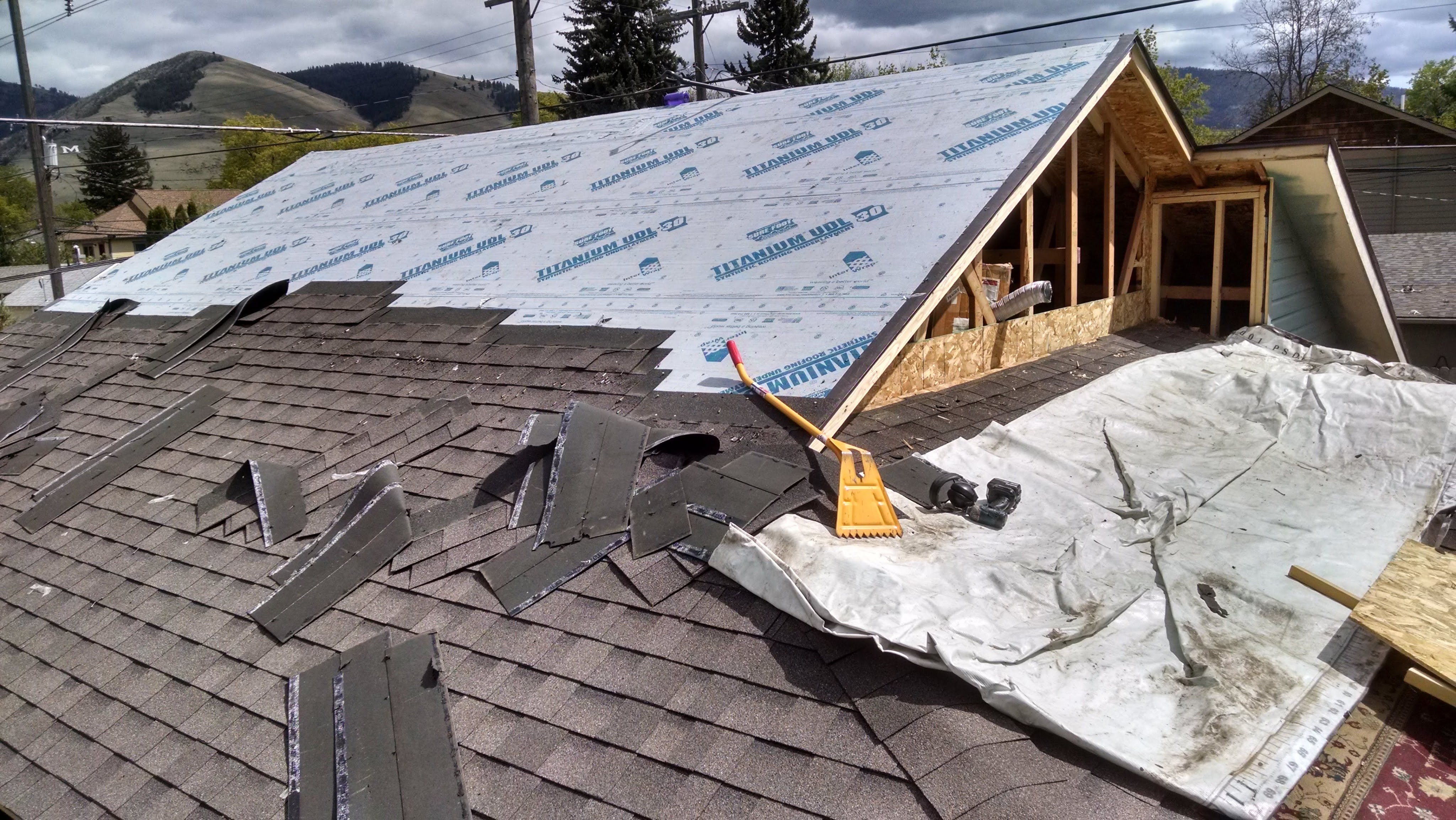
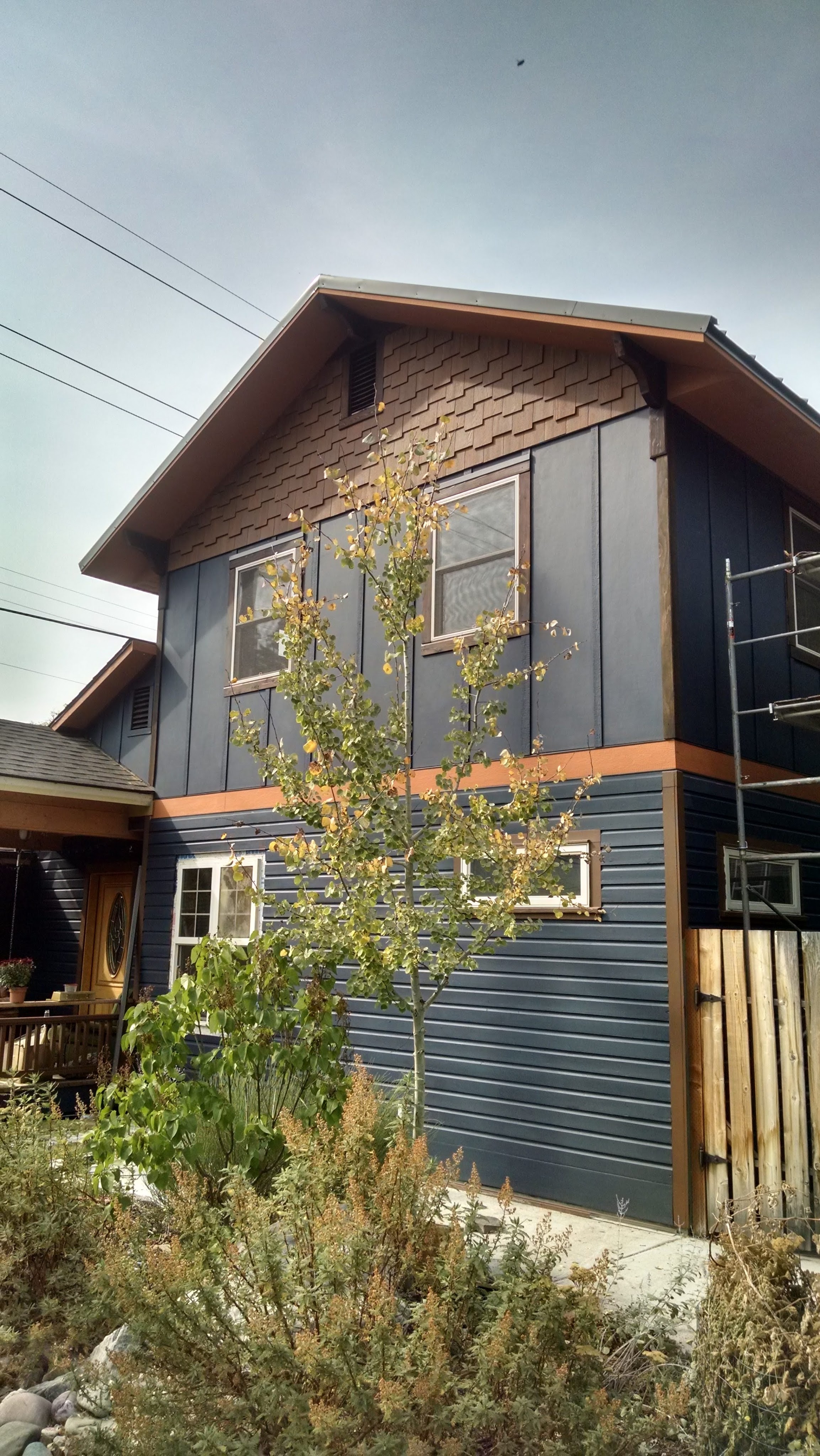
This project was an especially challenging project as the family needed to stay in the home while we added a second story, with plumbing, electrical, and stairs all while not deconstructing the first floor.
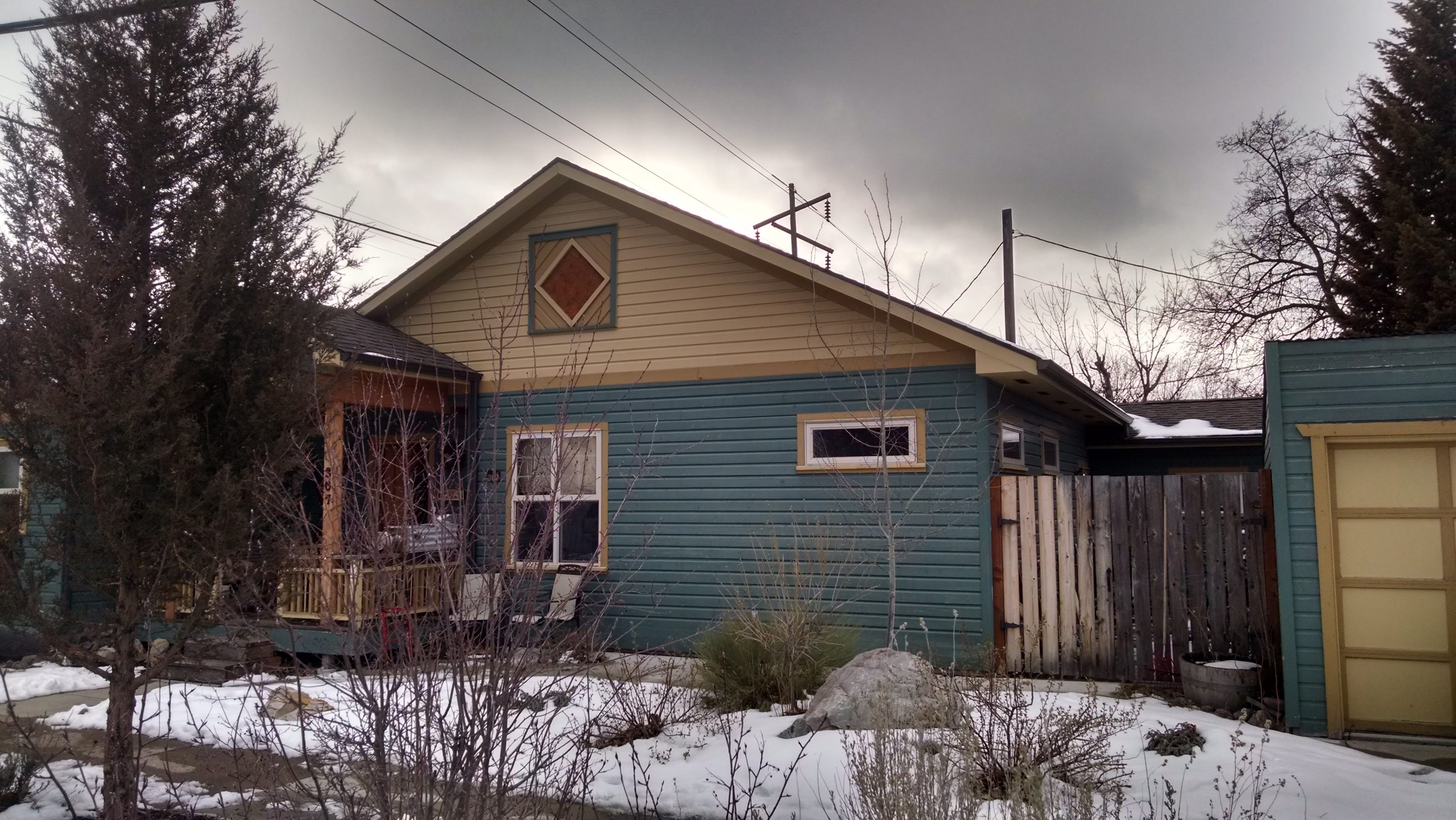
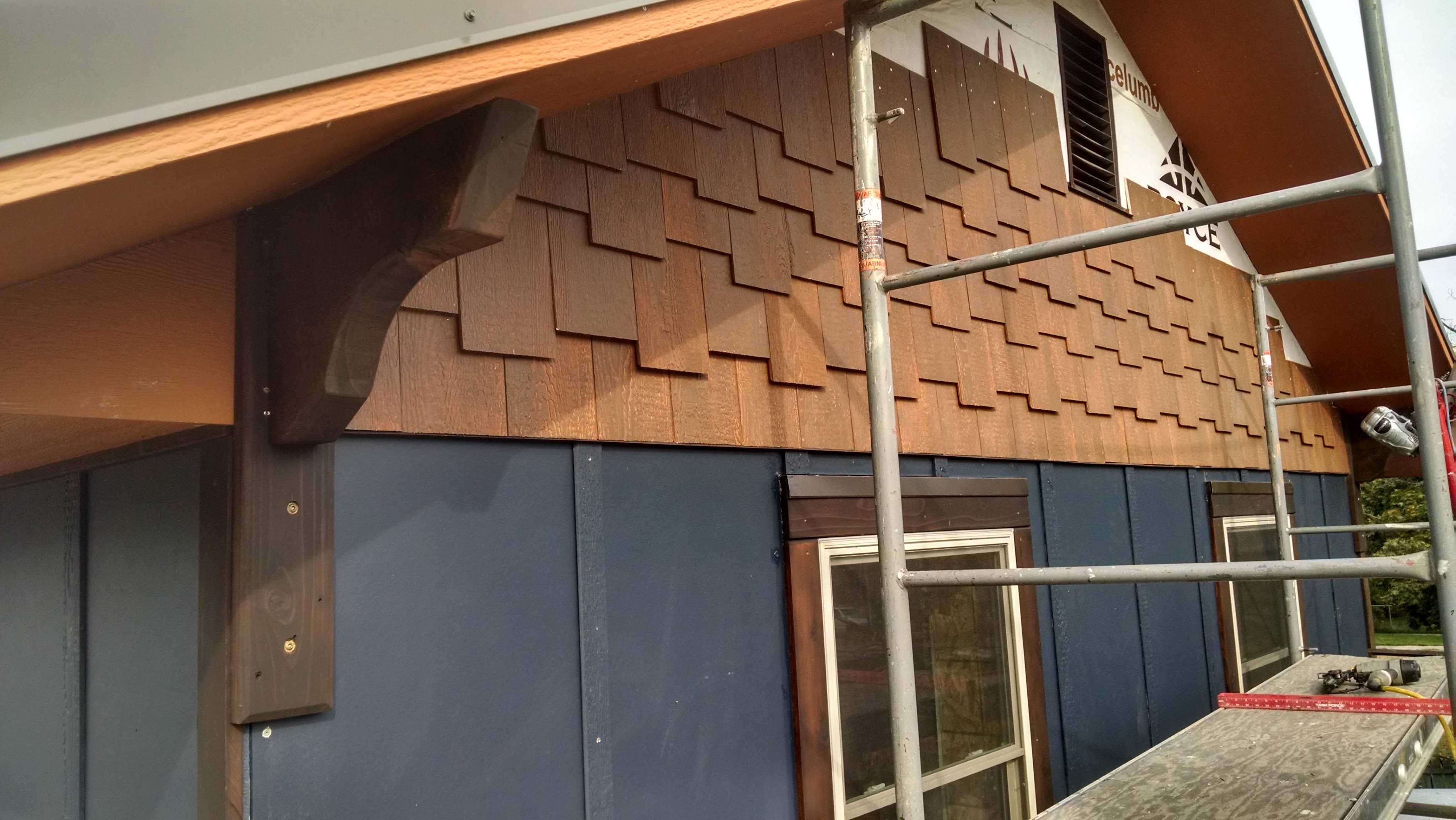
The design was to integrate into the historical houses of the neighborhood with a new super efficient extreme green design that didn’t look out of place with modern materials.
We built a floor over the existing living space and then connected the ceiling and then removed the roof of the old structure and then reused all the wood from the roof in the new double stud walls 10″ thick, with reused insulation and recycled cellulose.
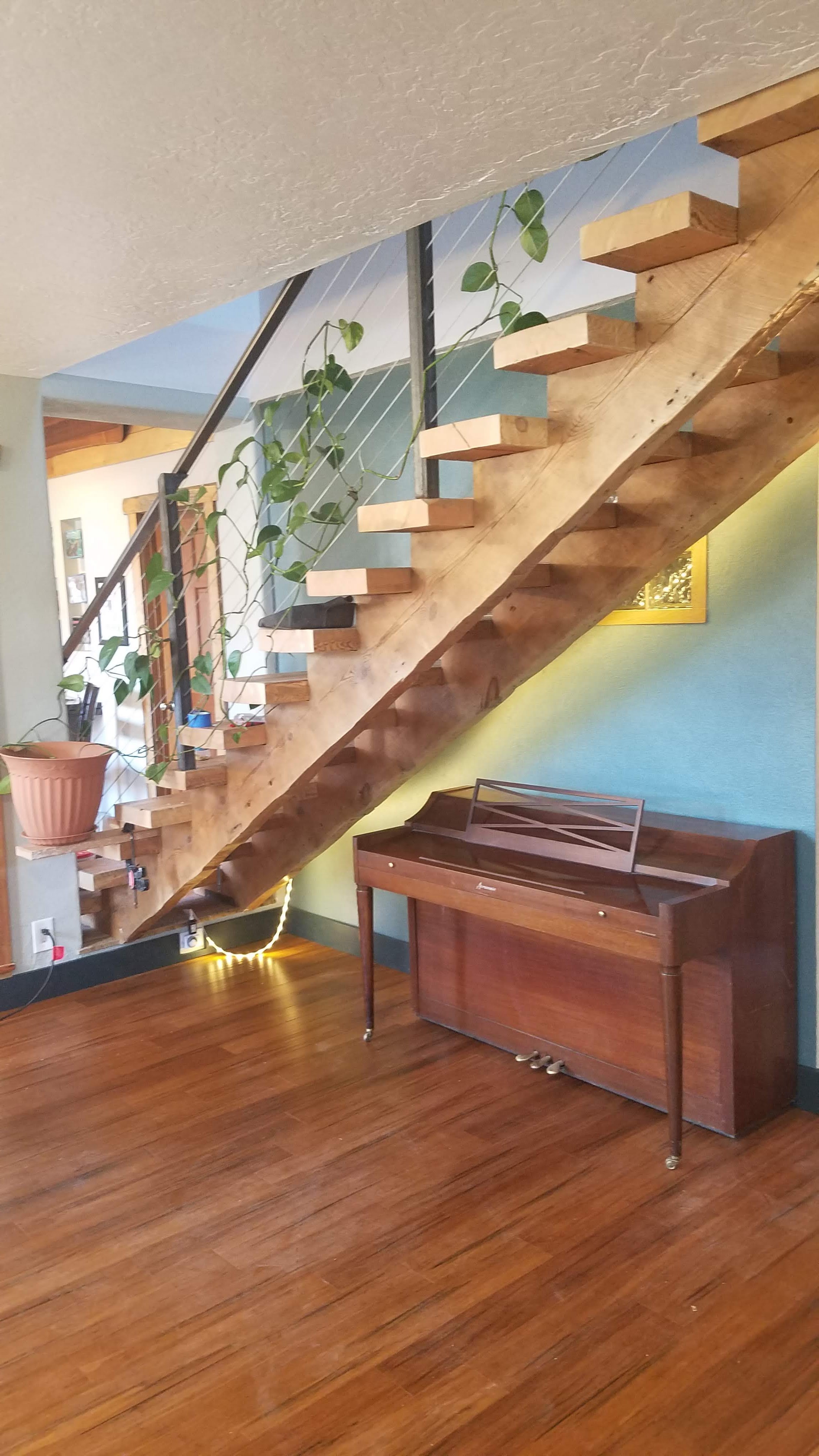
We mixed siding materials using reclaimed siding to imitate shake siding, cedar and redwood trim, bat and board with repurposed siding for bats, and reclaimed heritage timbers from the historic Missoula Mercantile for the stair stringers and barn floor timbers for the treads.
We integrated the new building into the existing boiler and added a heated floor to the living room.
Media Arts Hub, Earthbag and Bamboo education and construction project. Bali, Indonesia
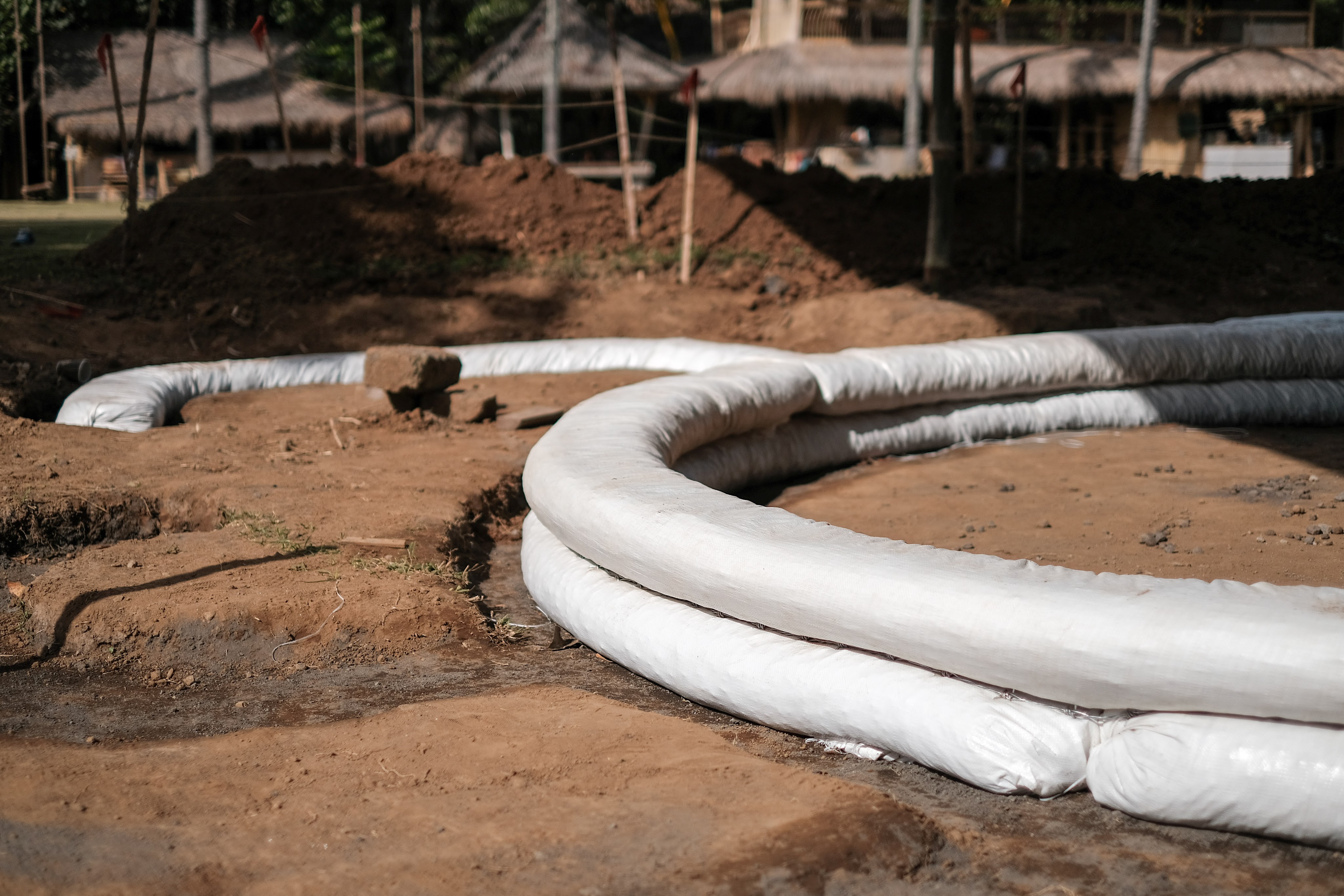
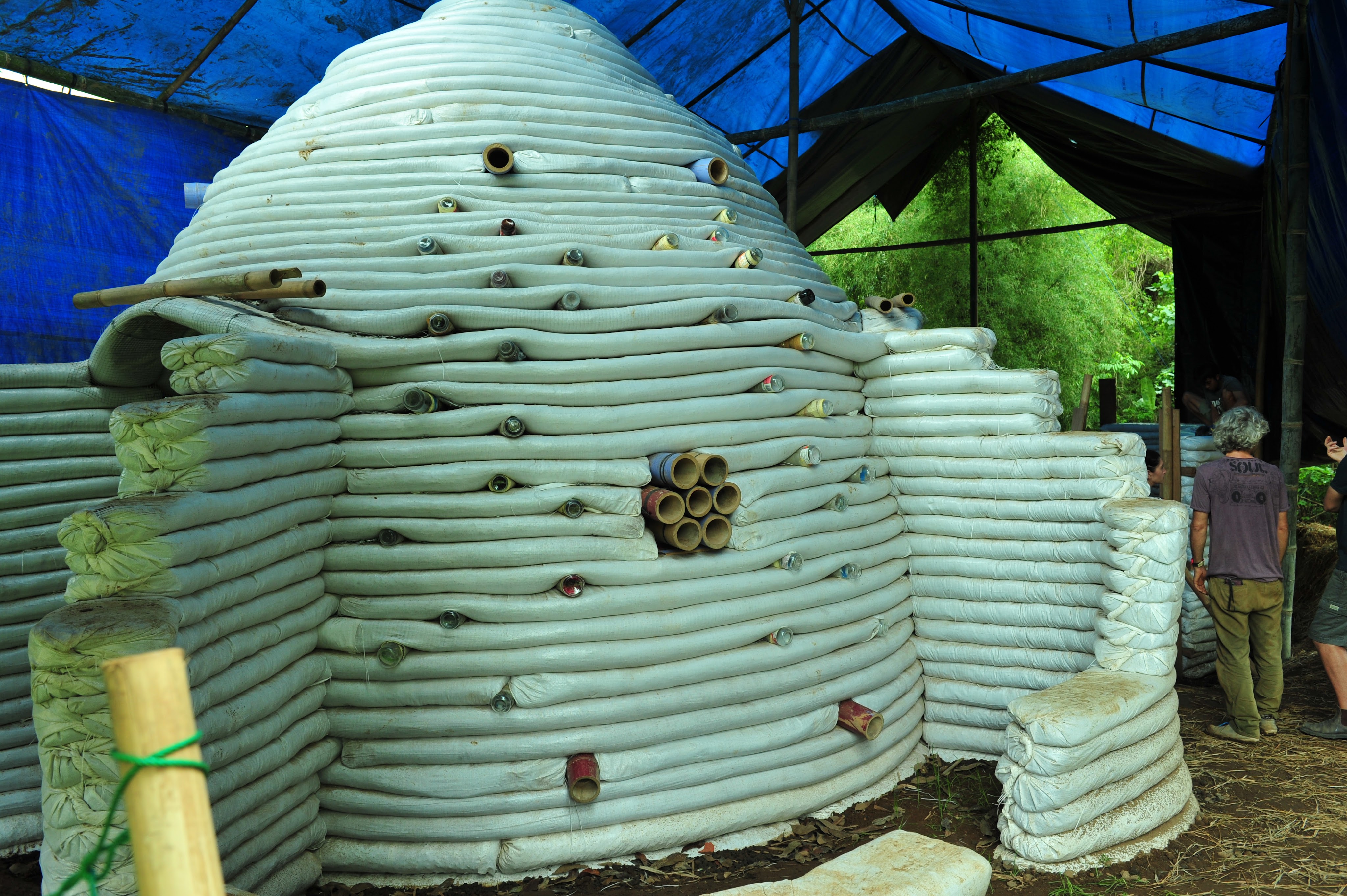
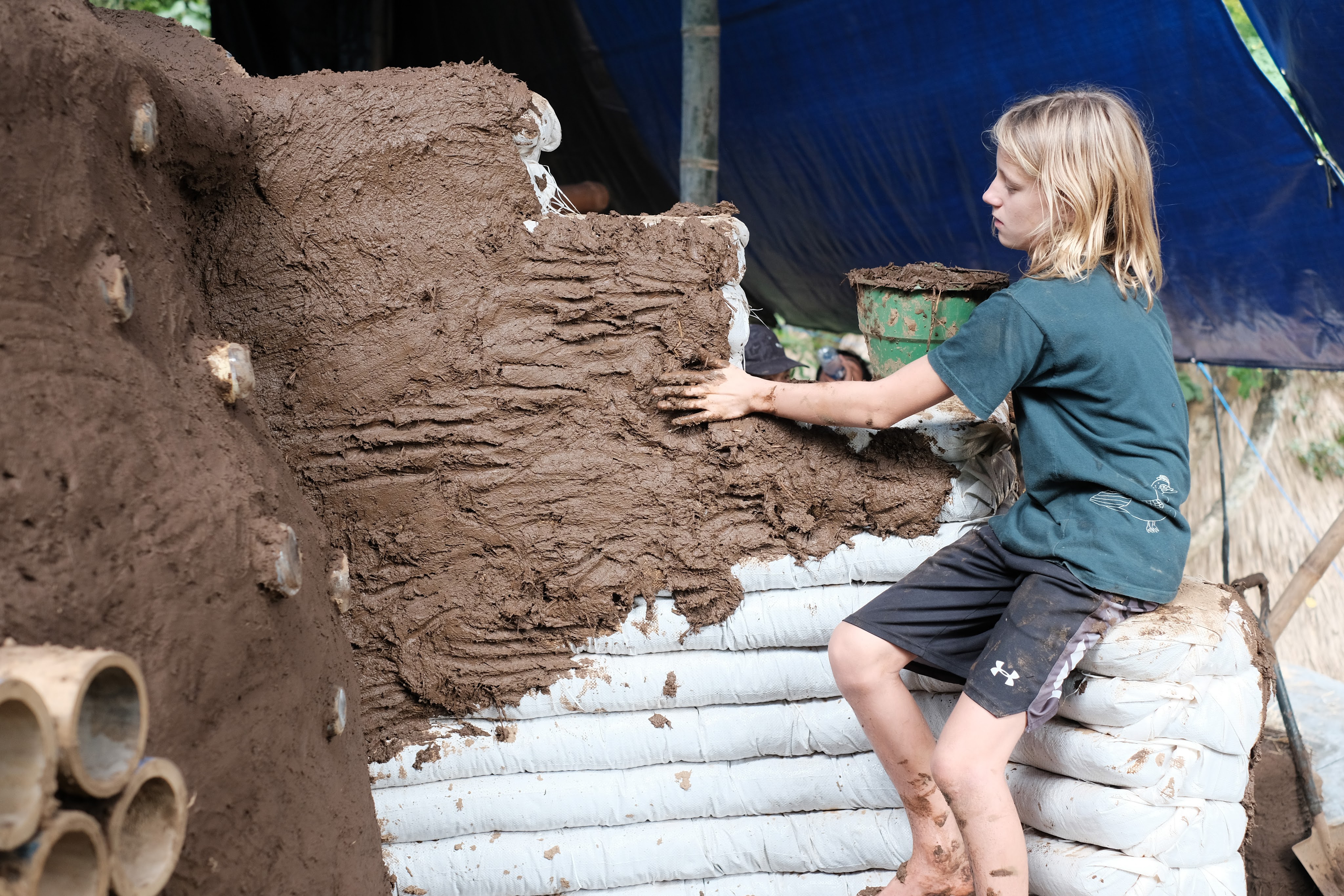
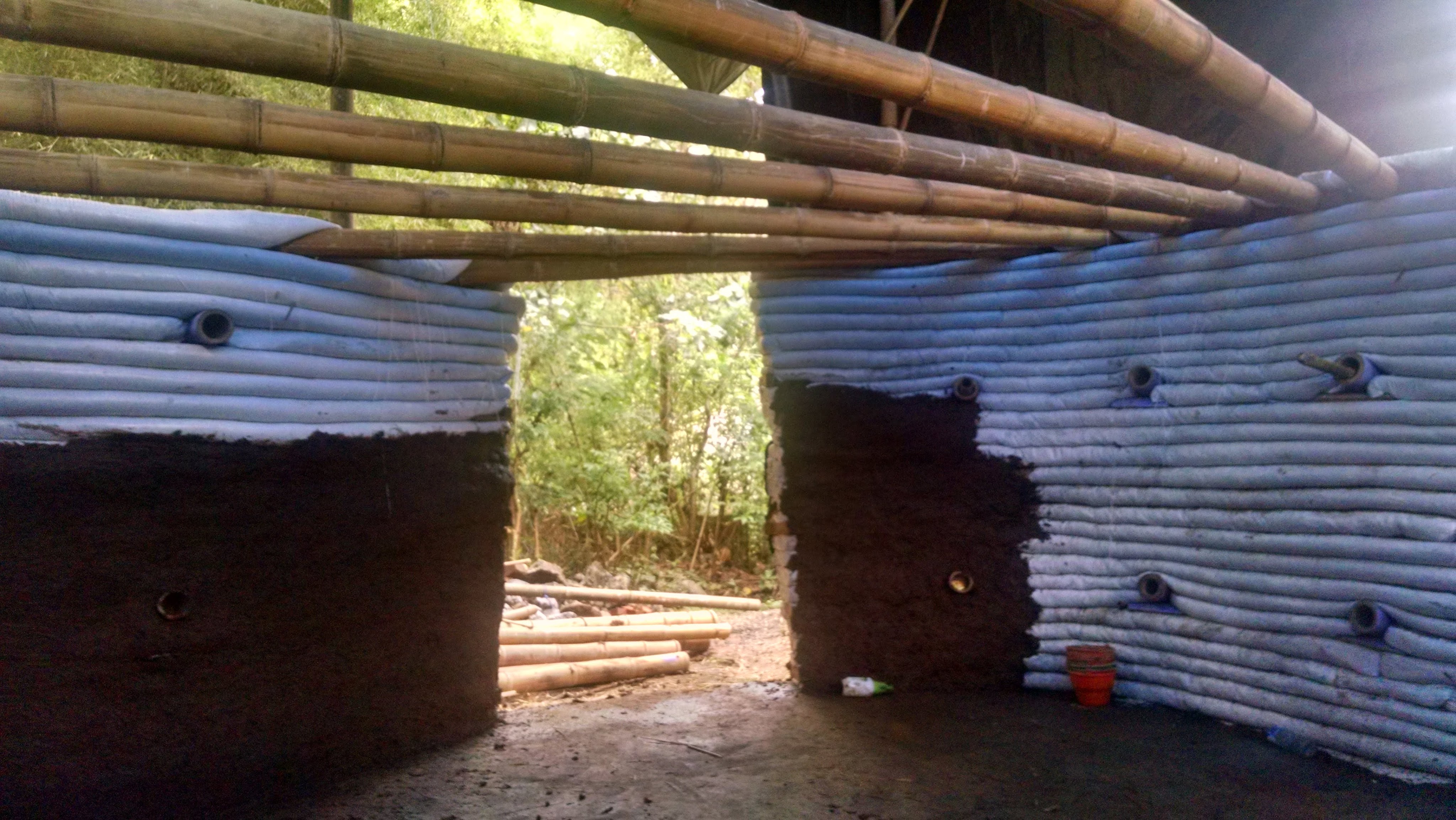
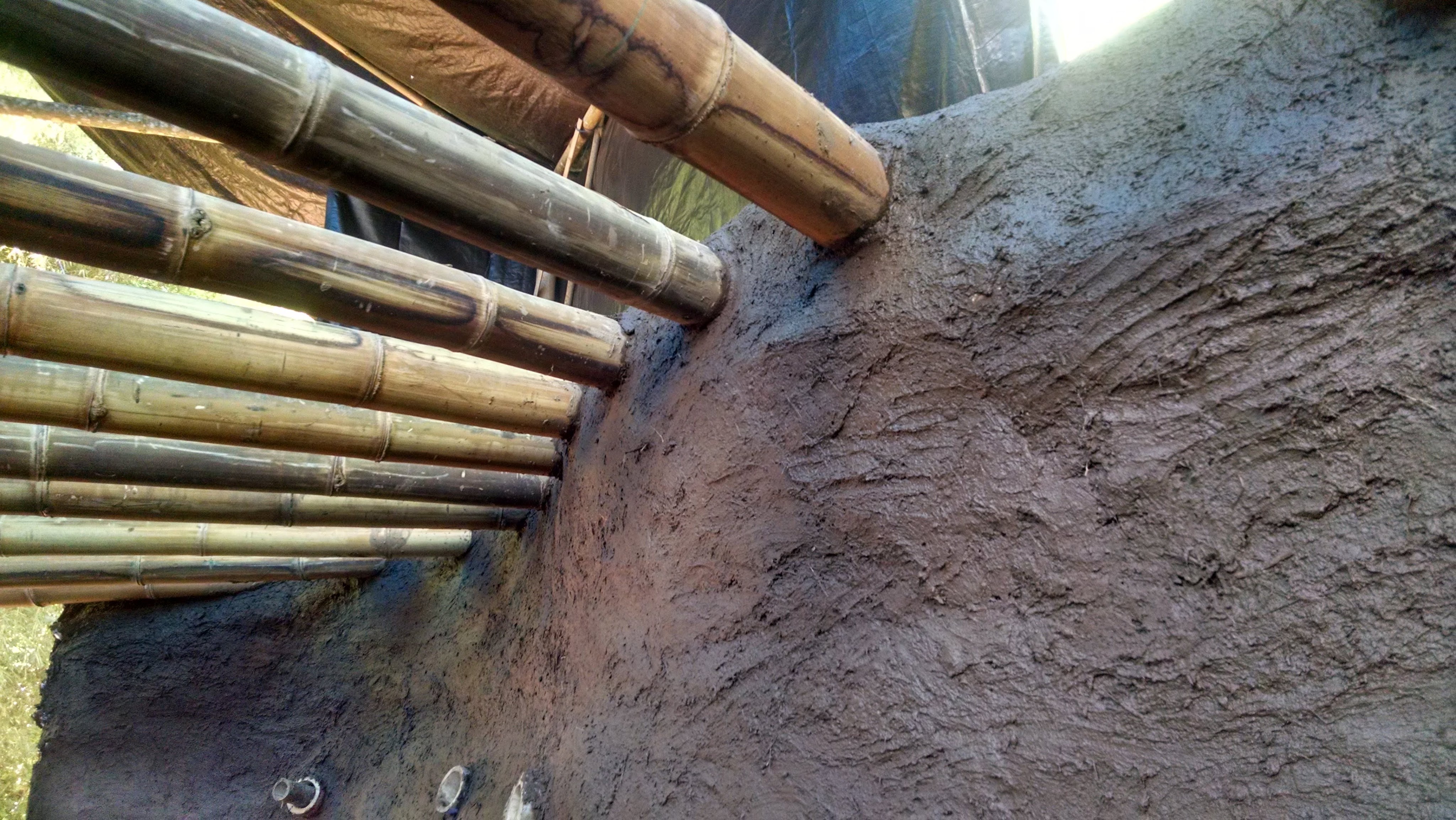
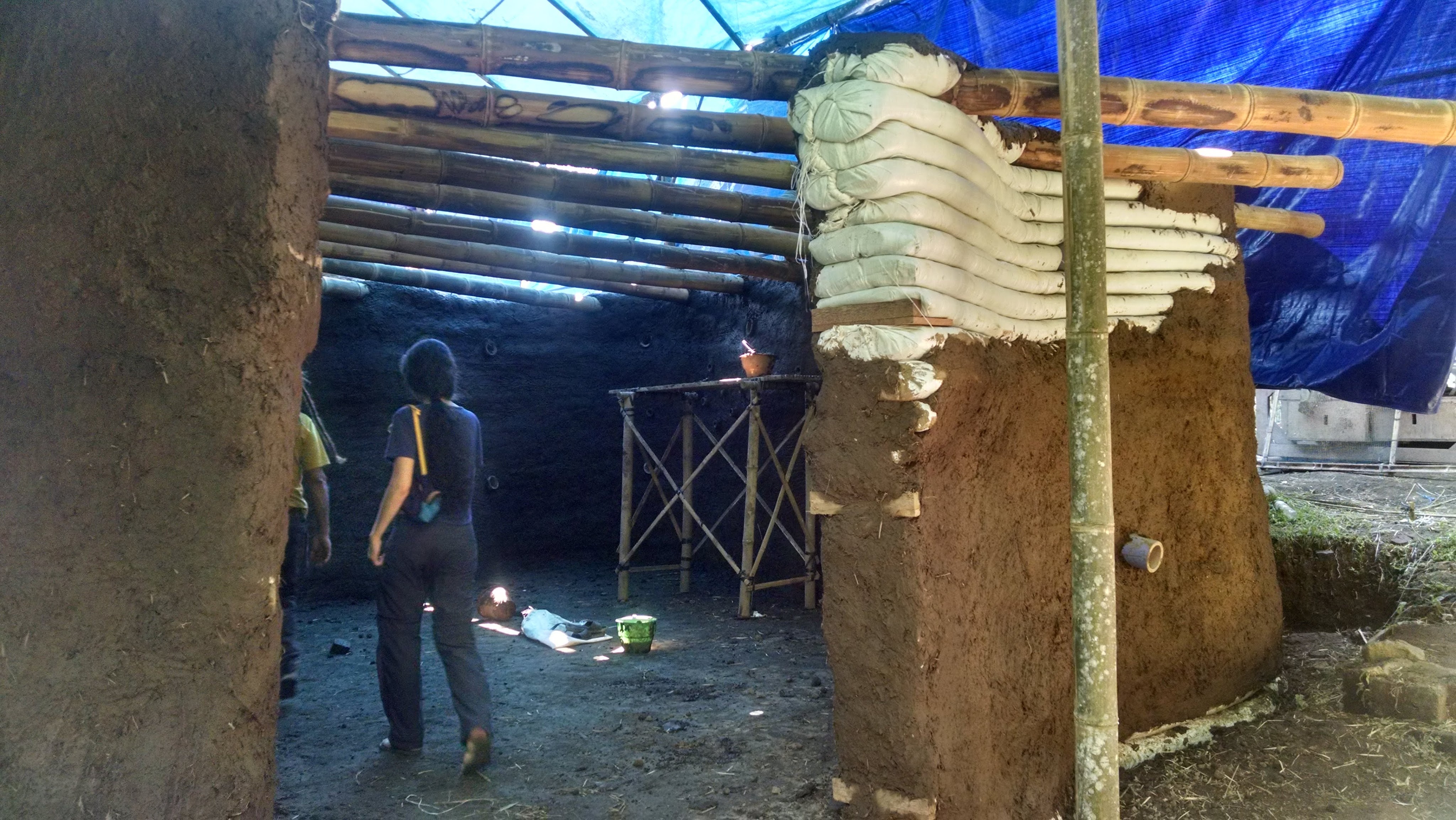
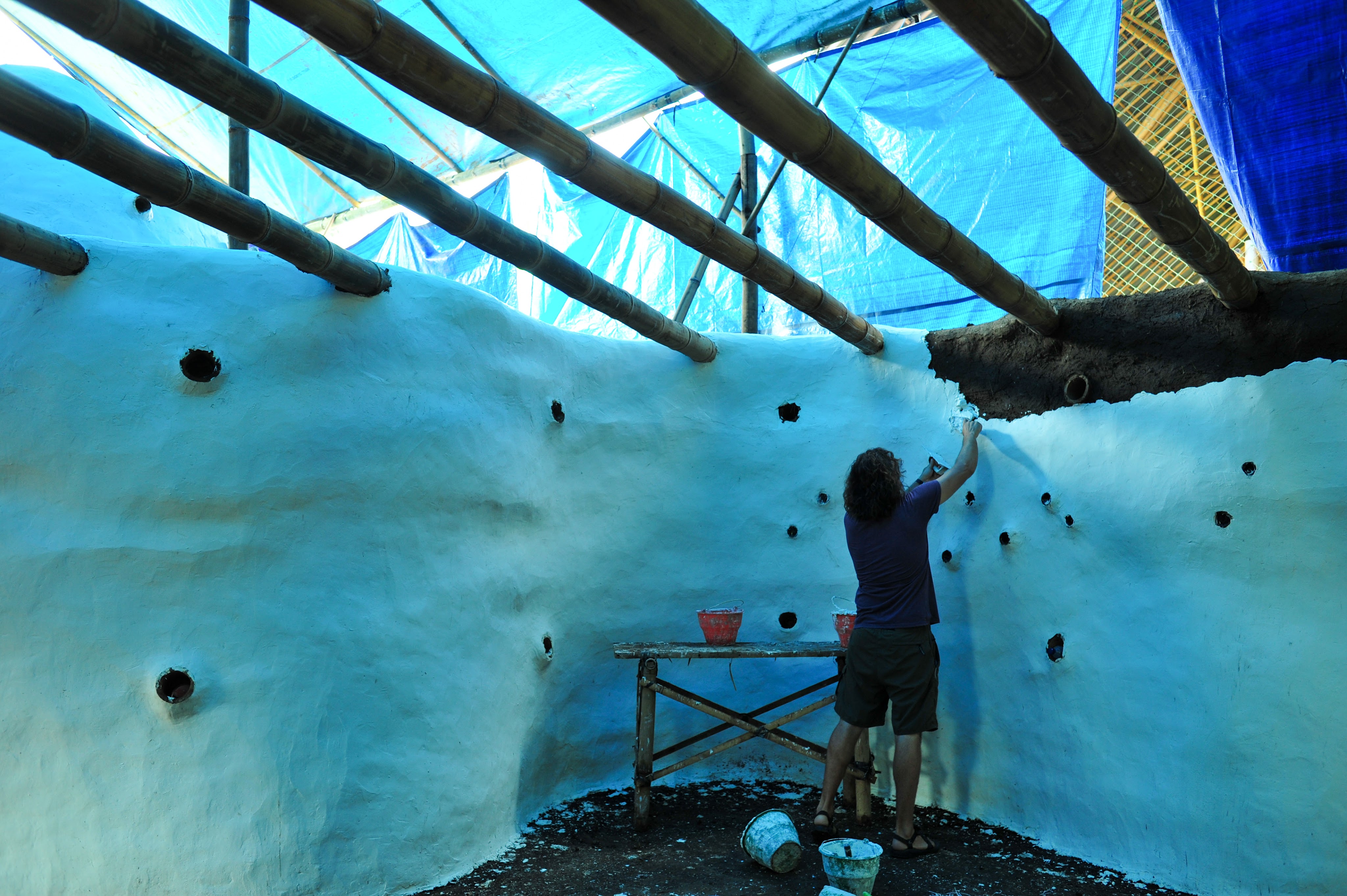
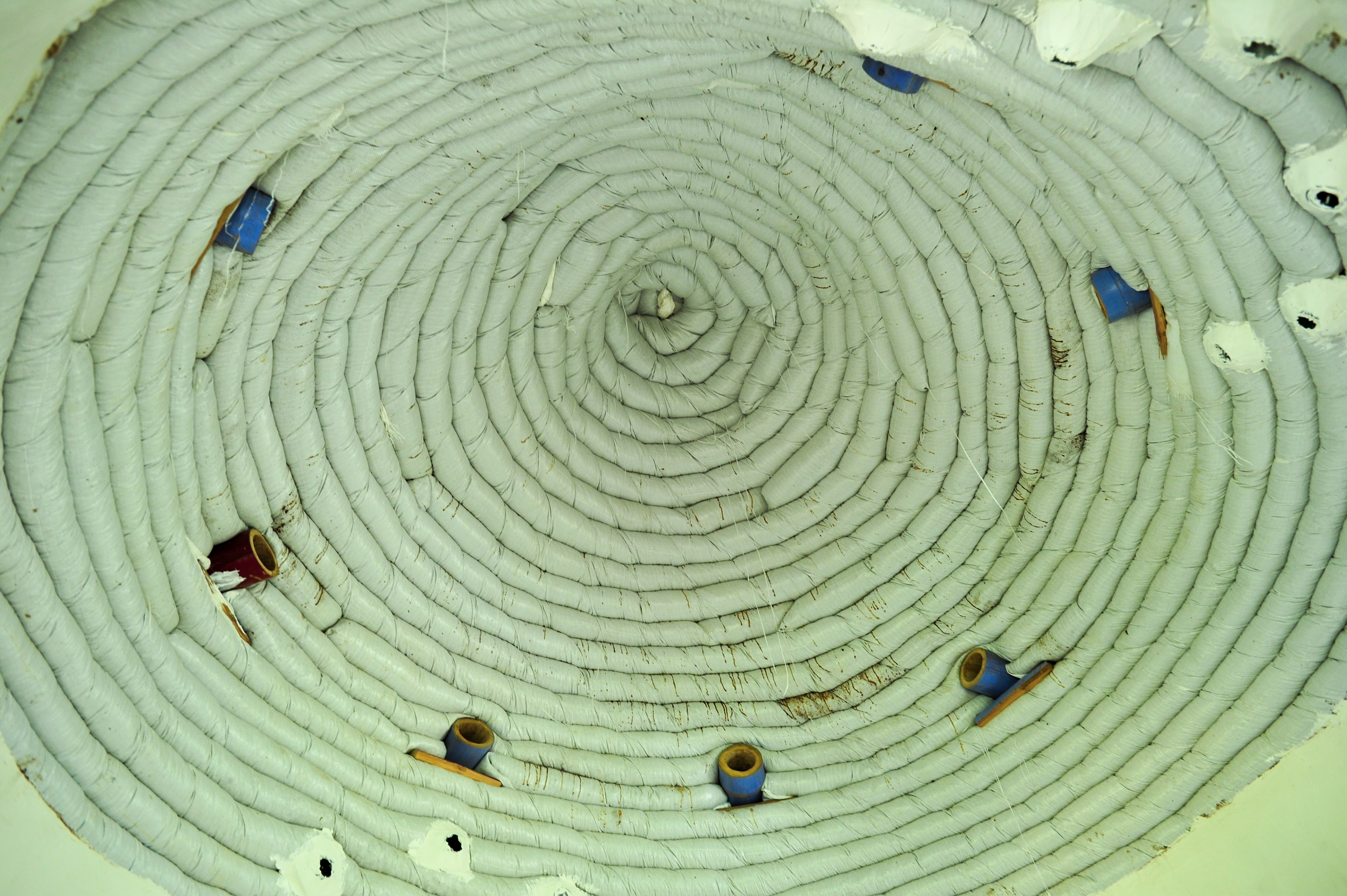
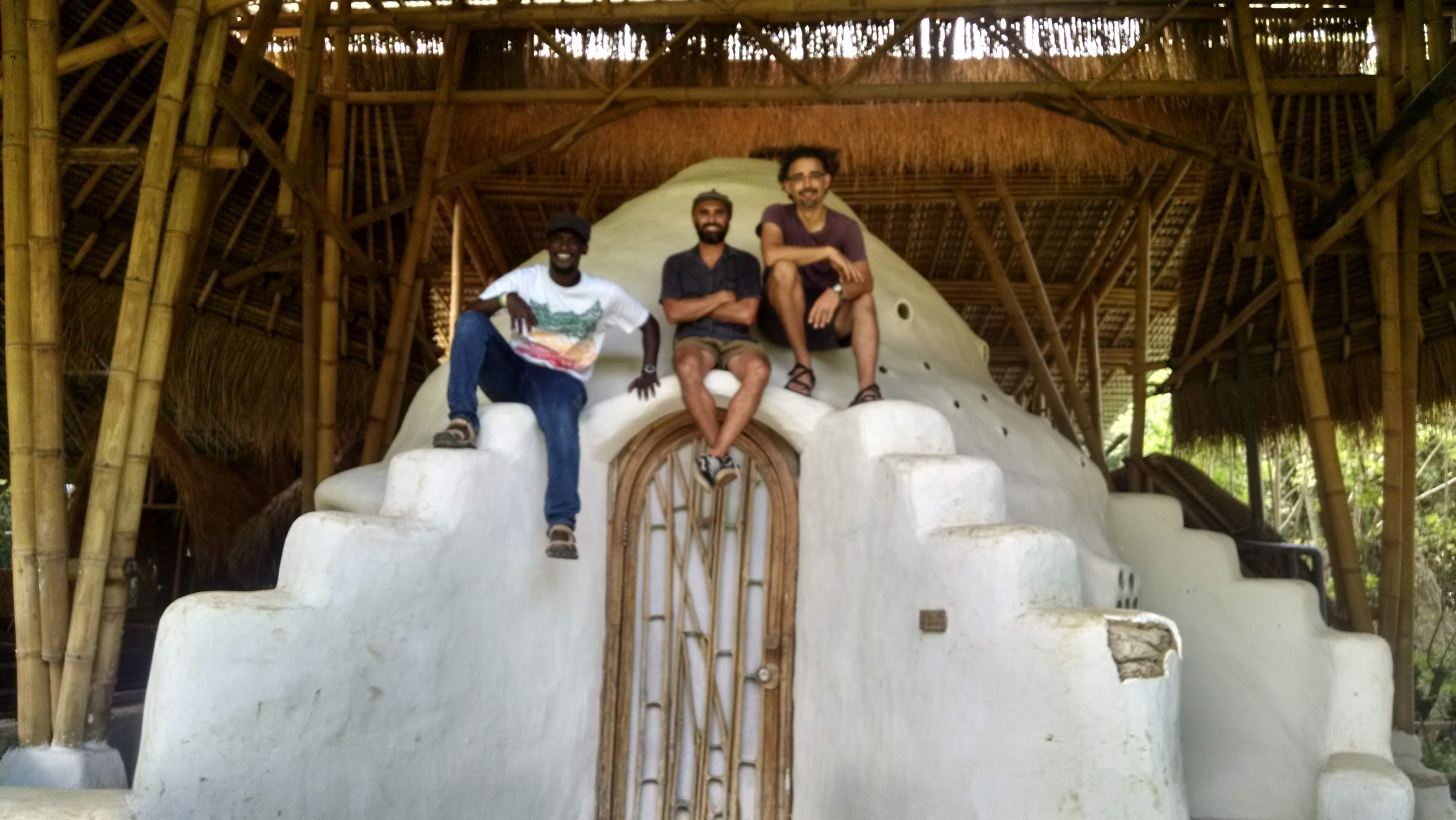
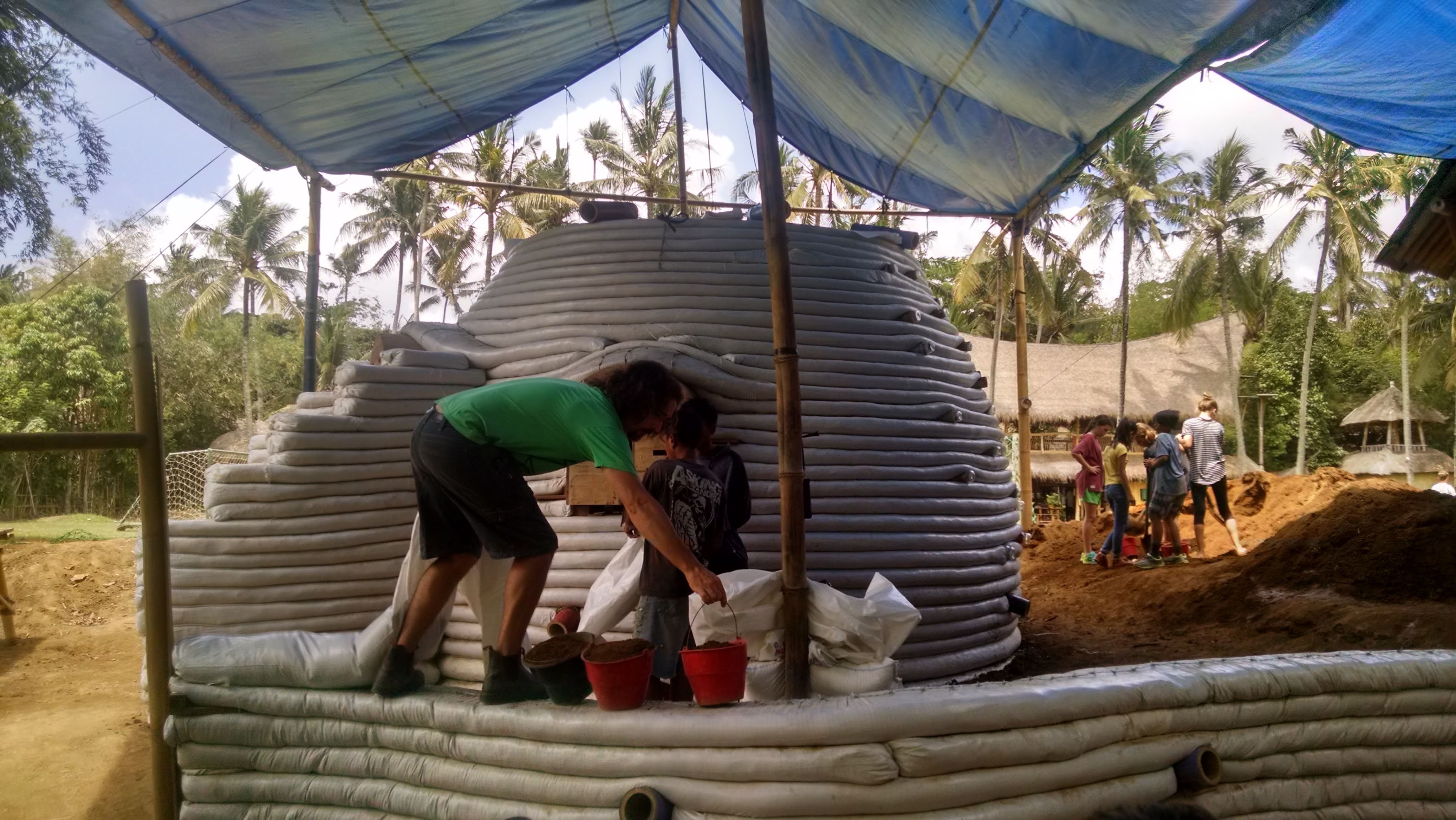
Earthbag building is a an incredible way to use local soil to make rammed earth structures that can be load bearing without form materials or additional frame work. The bags can be continuous between openings and can make curvilinear shapes that are stronger than straight square walls, especially important in earth quake zones like the ring of fire in Indonesia.
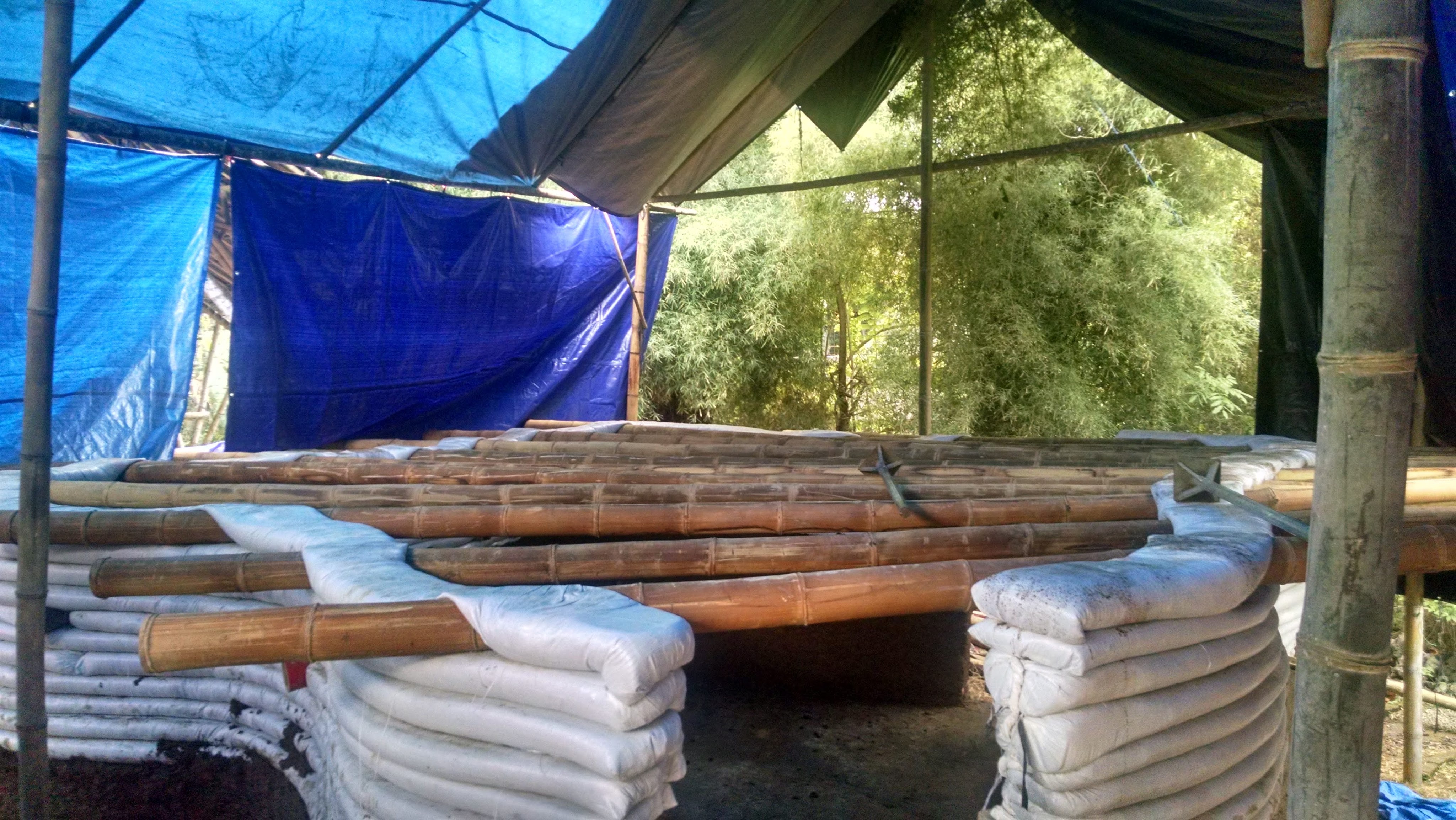
The technique can be used to create whole structures like the dome, or part of a building like the Media Arts Lab, that supported a bamboo second story and a roof for solar panels and water collection.
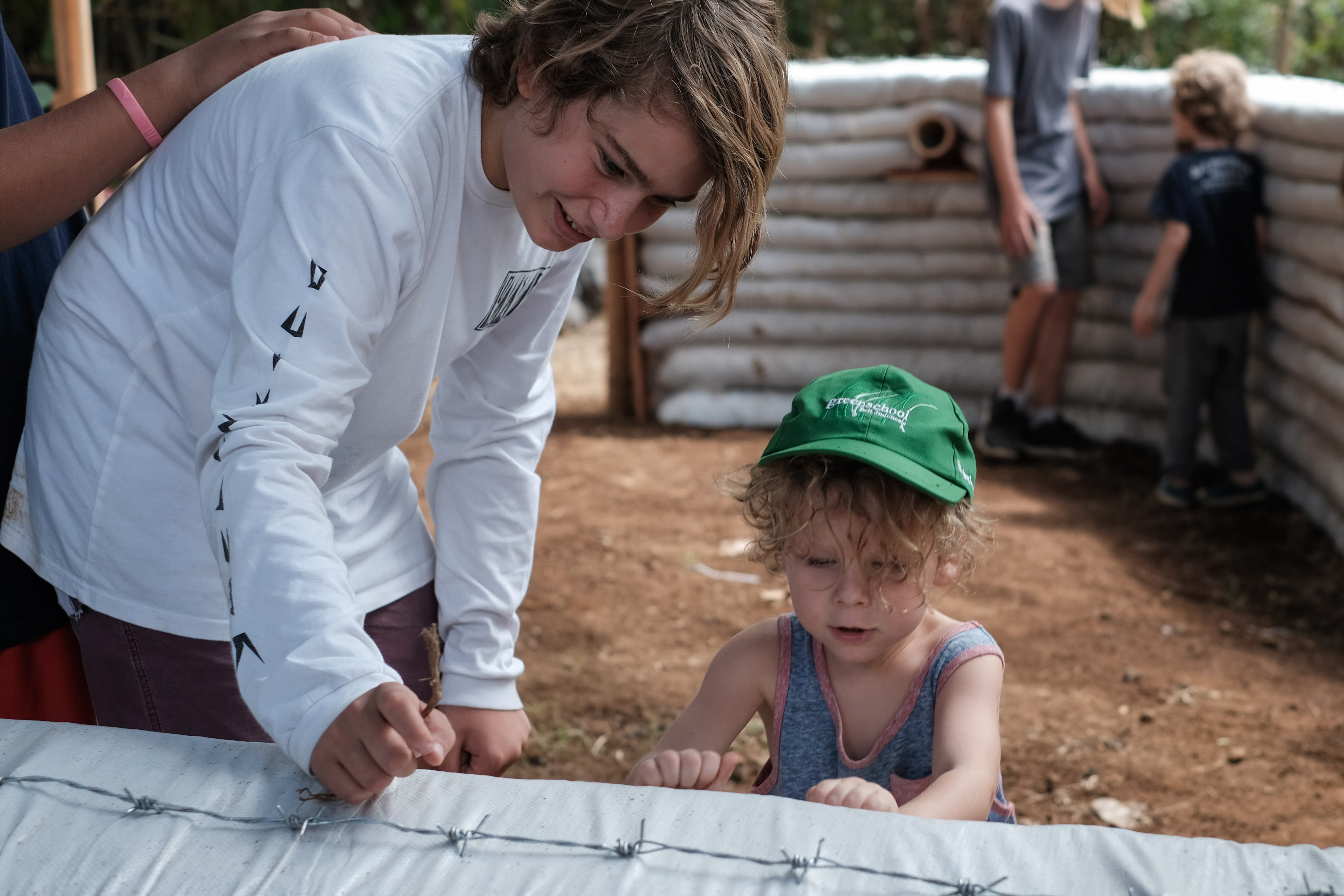
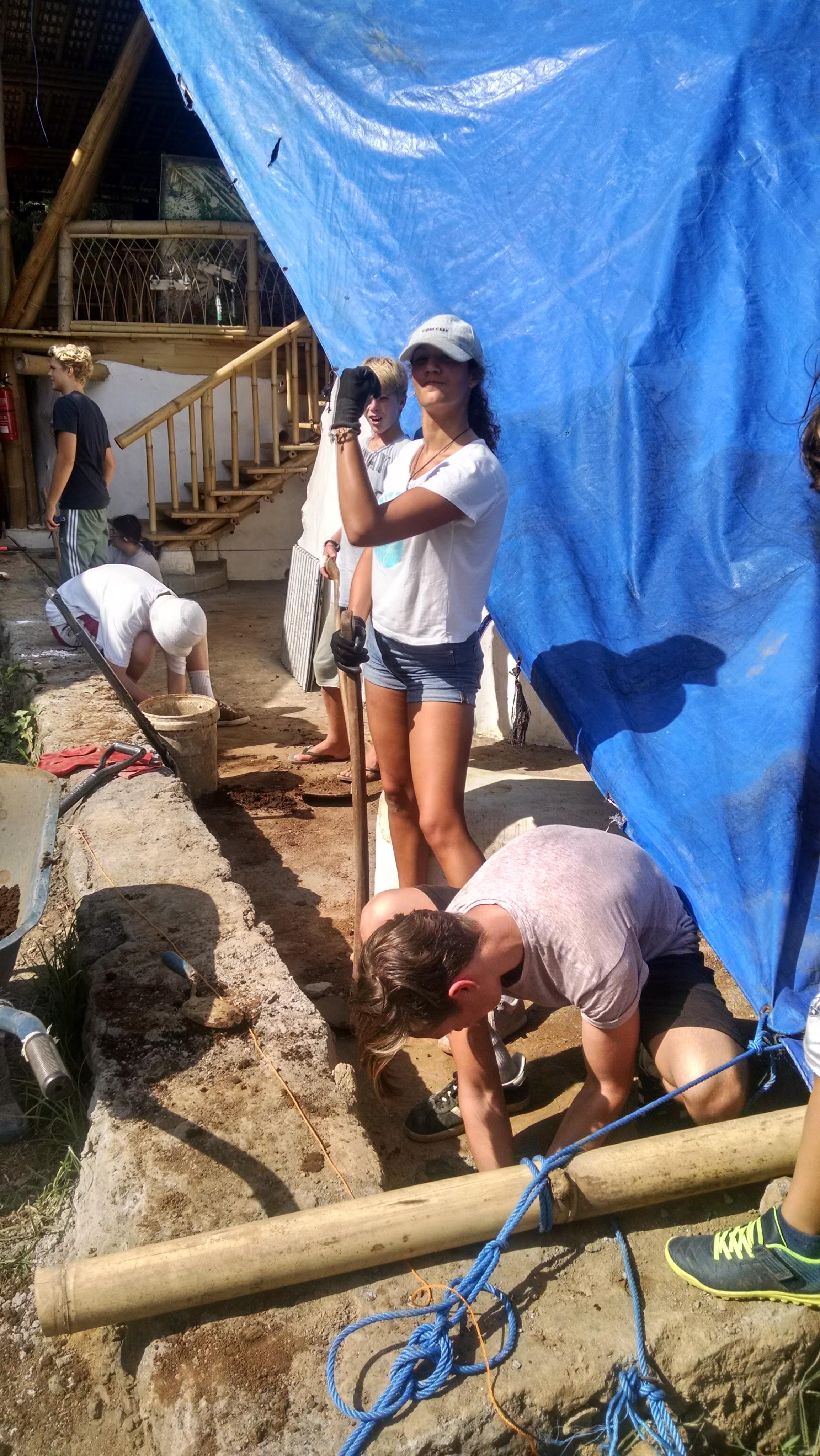
And a really amazing part is that anyone can help, we worked with 200 kids from Kindergarten to High school to build this space. From filling bags, tamping, to plastering with earthen plaster.

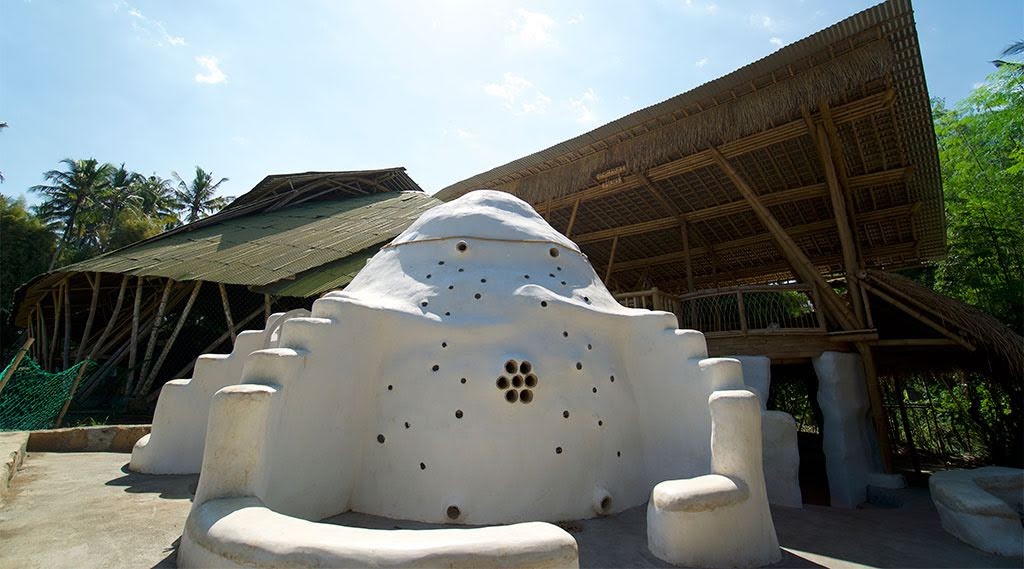


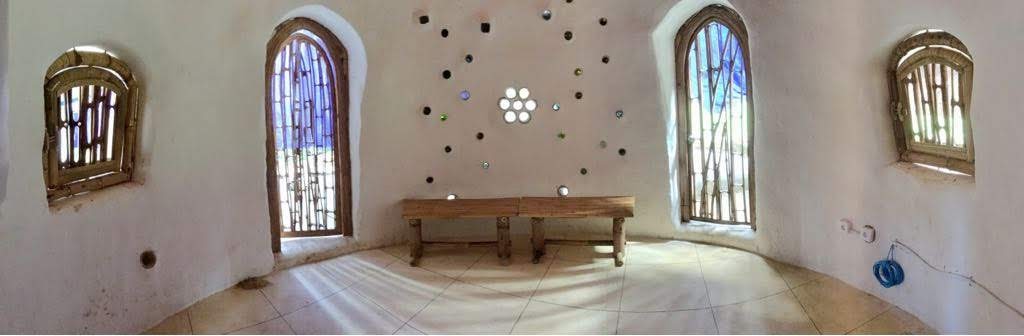
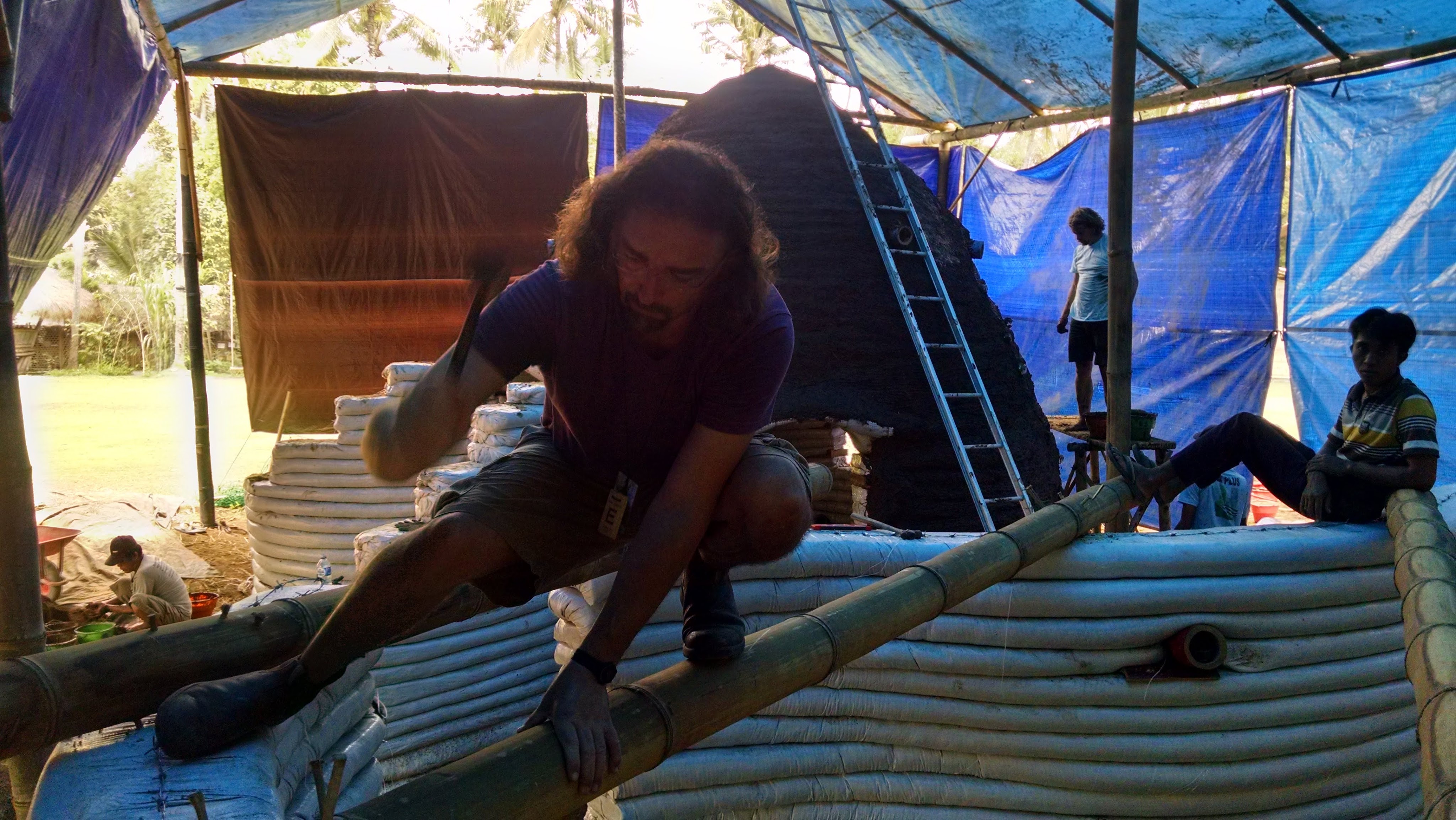
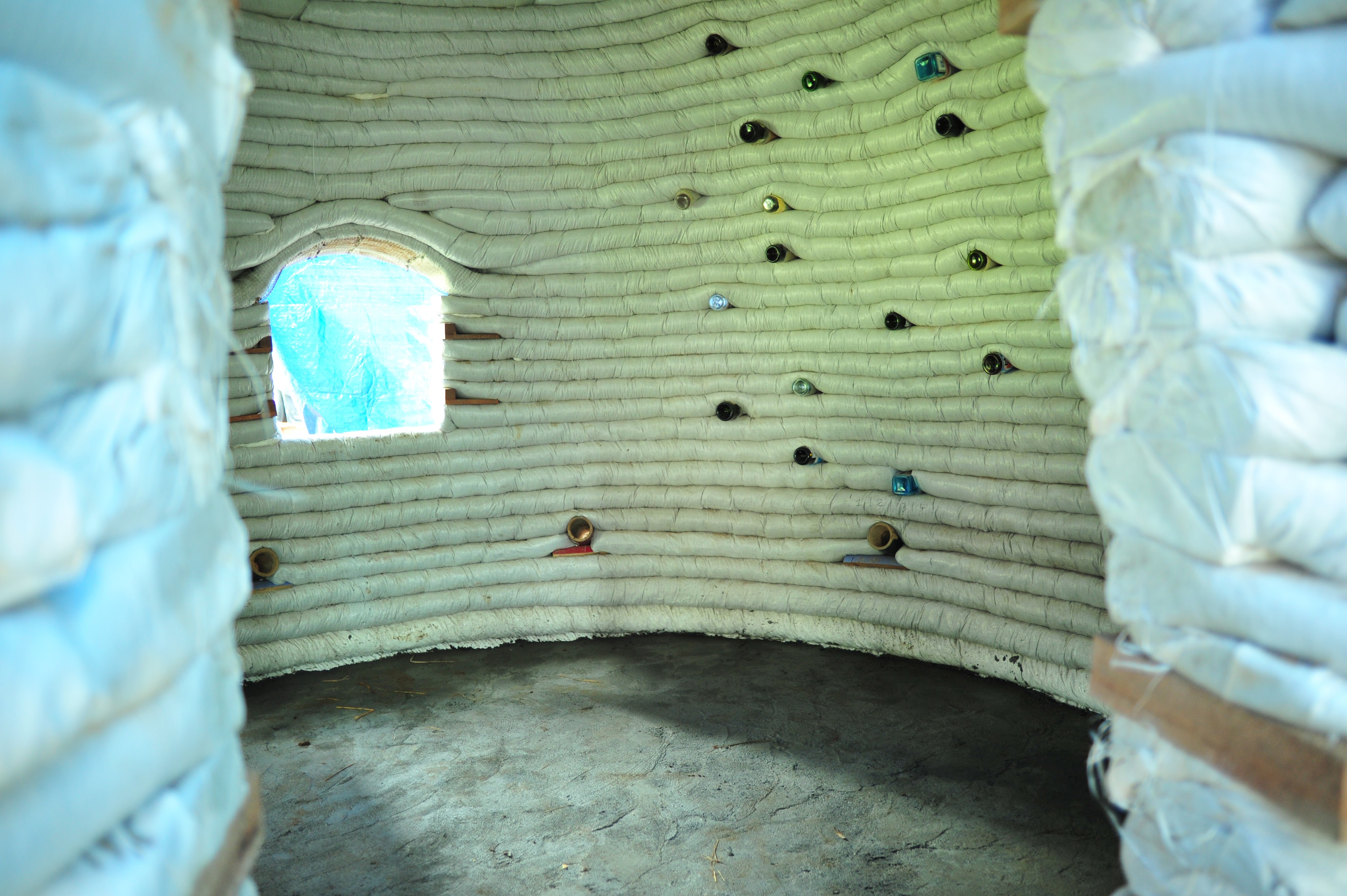

OROS, Operation Rain or Shine.
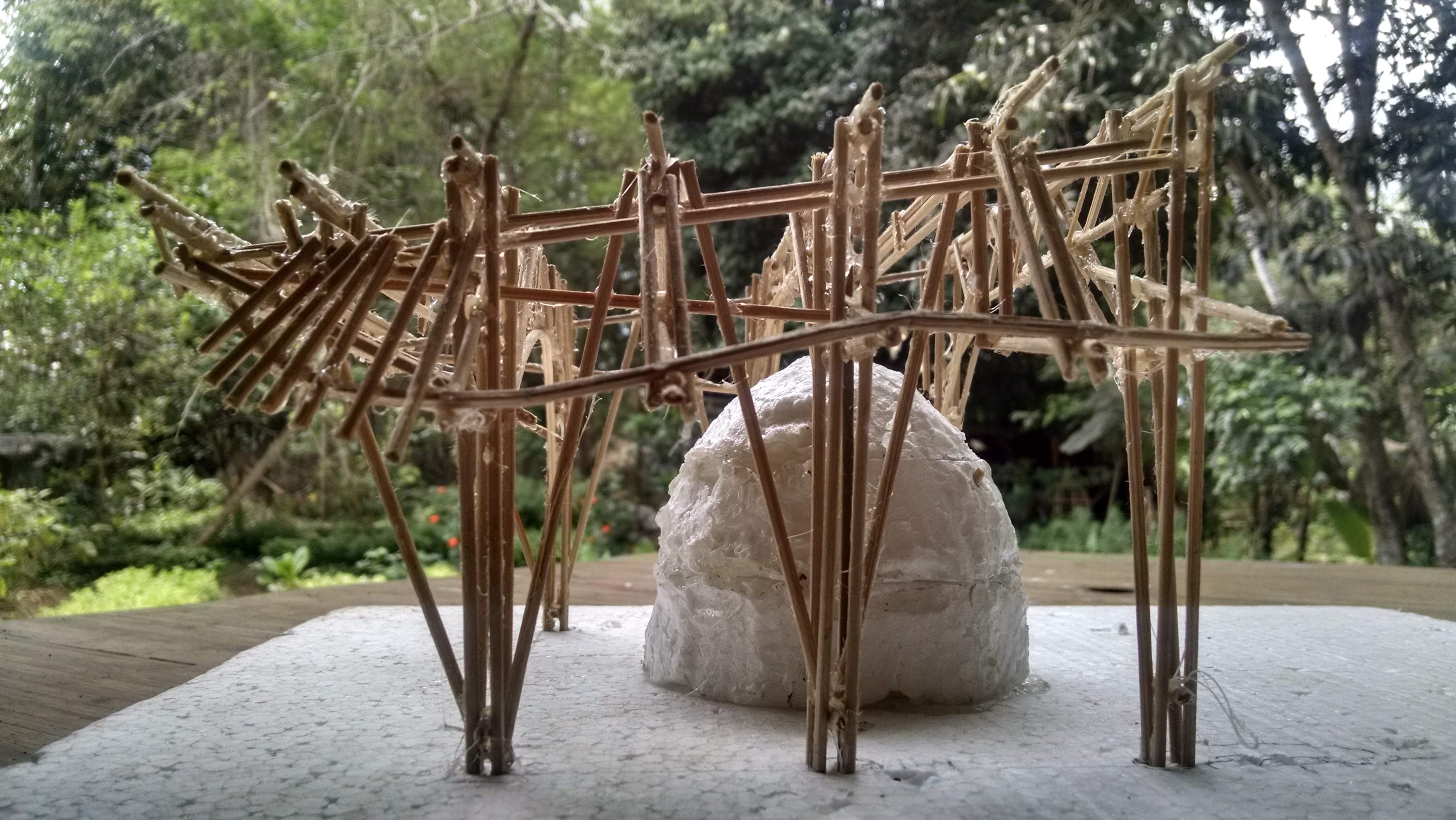
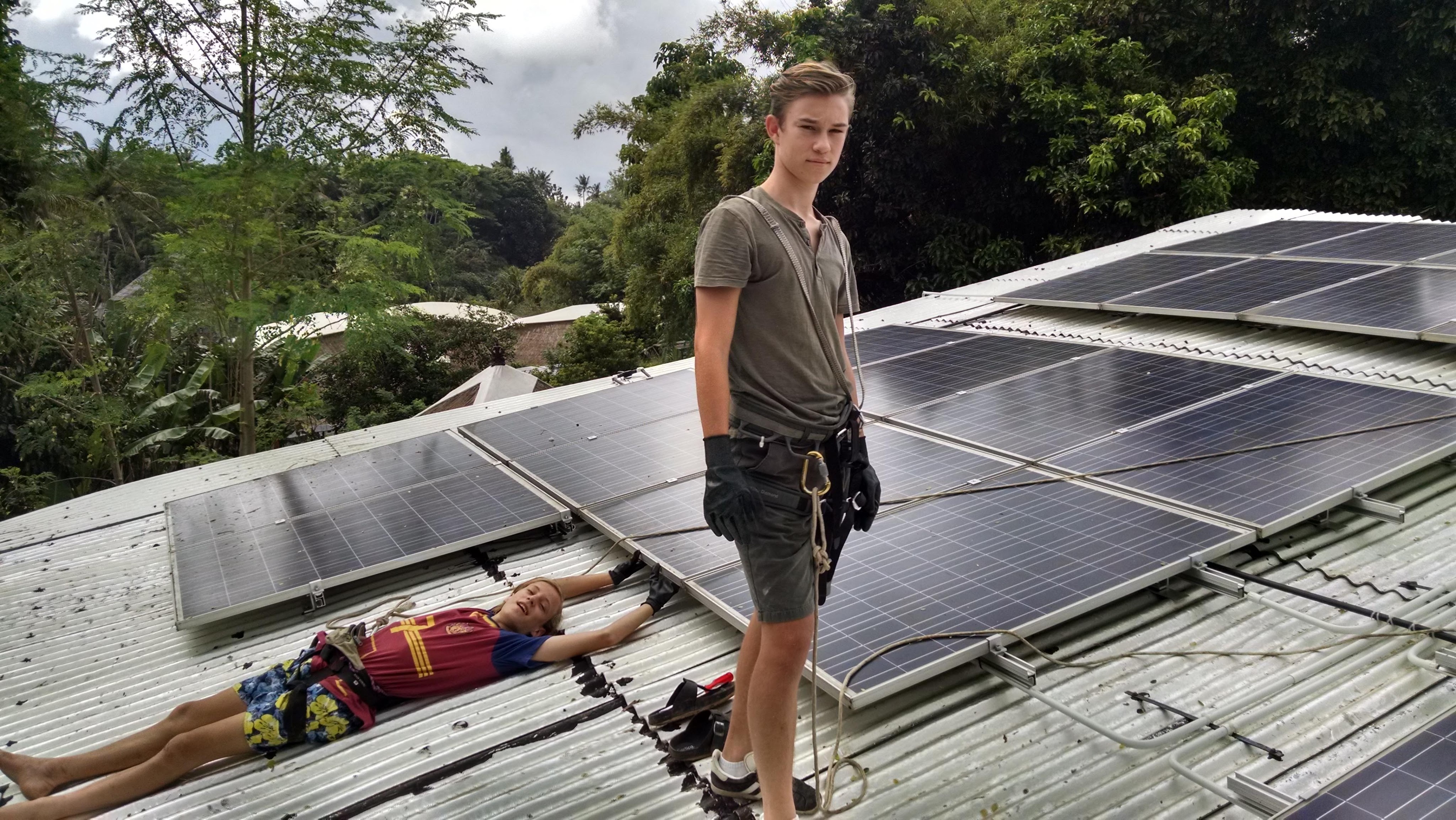
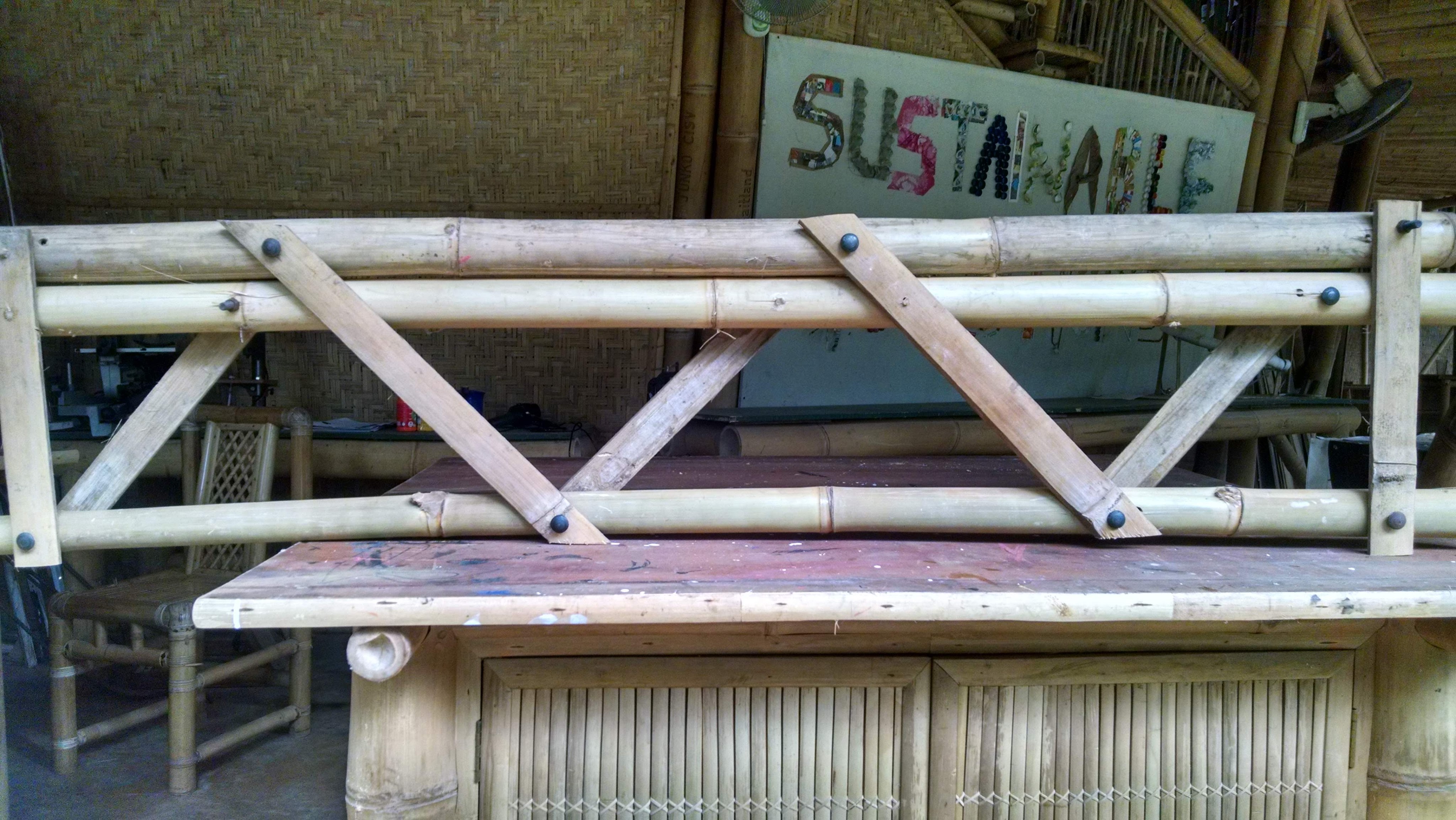
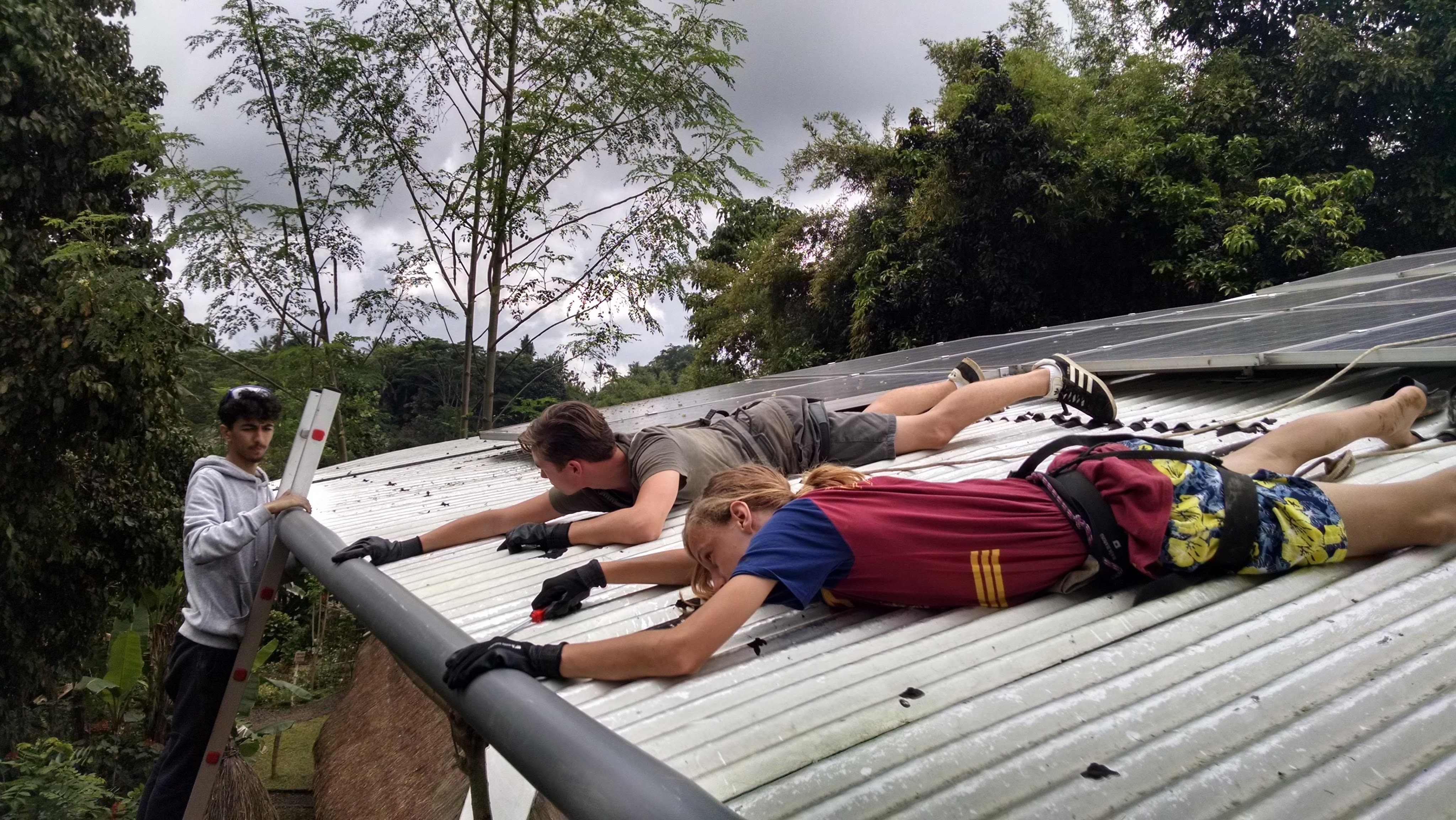
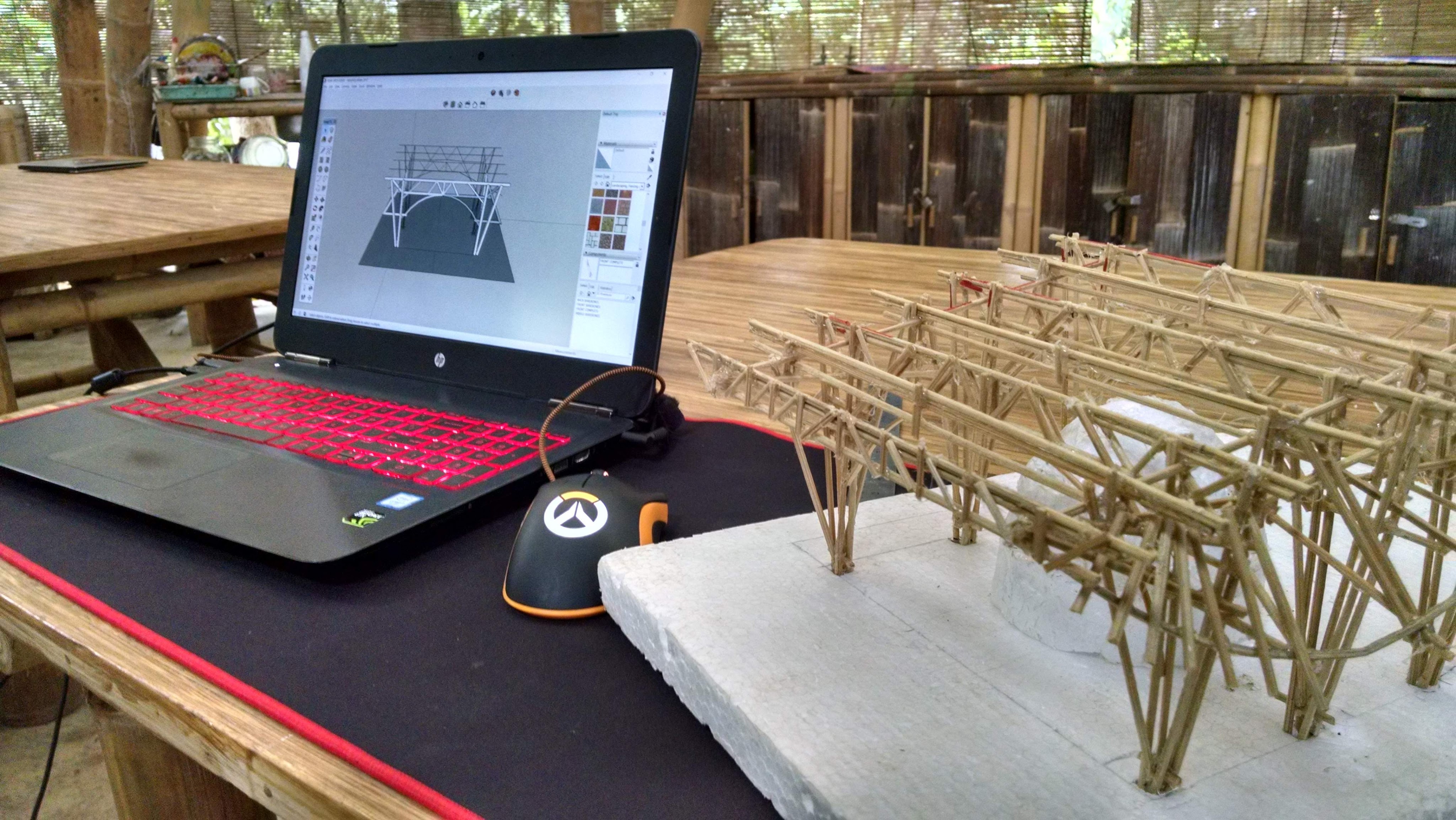
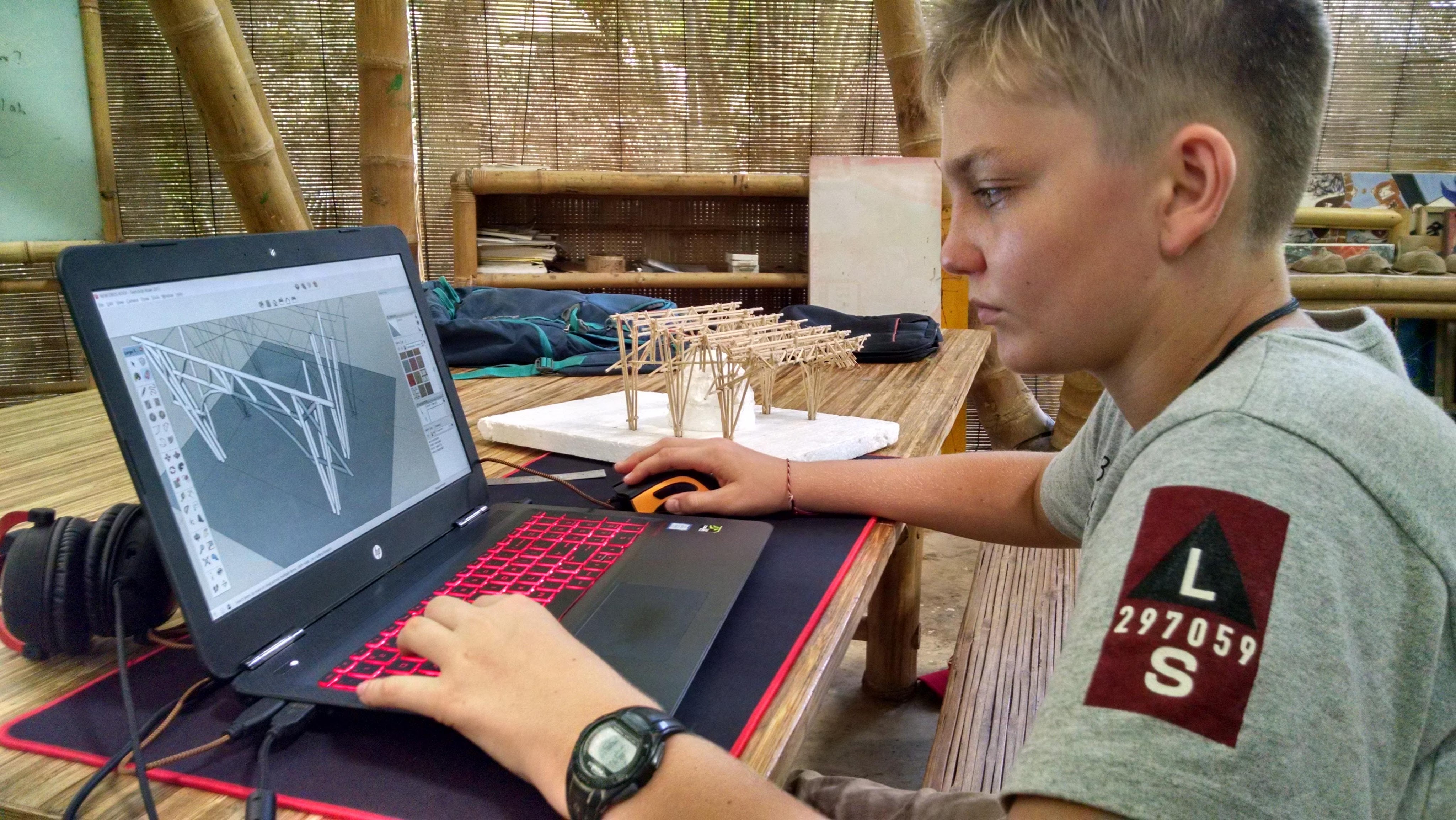
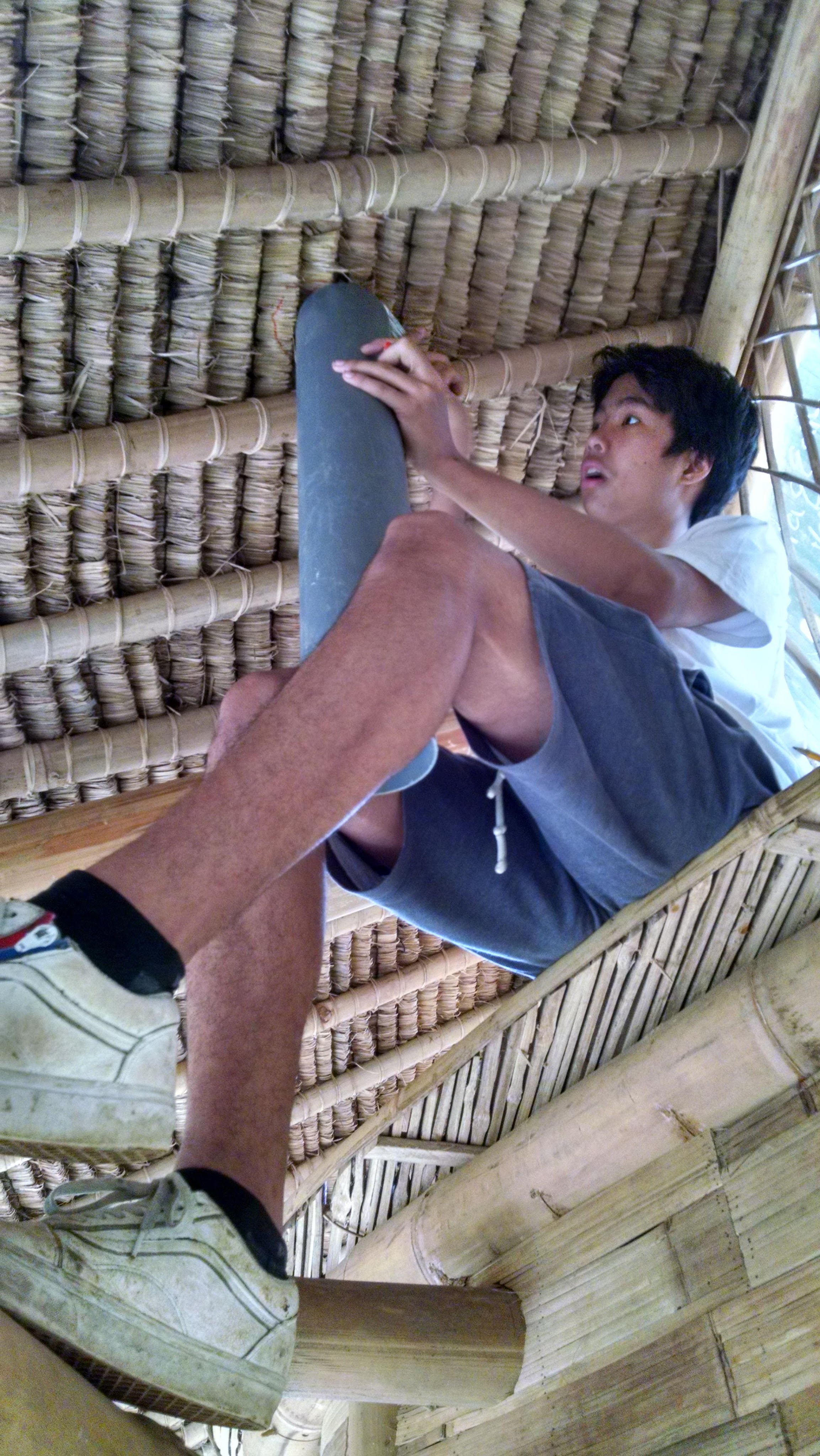
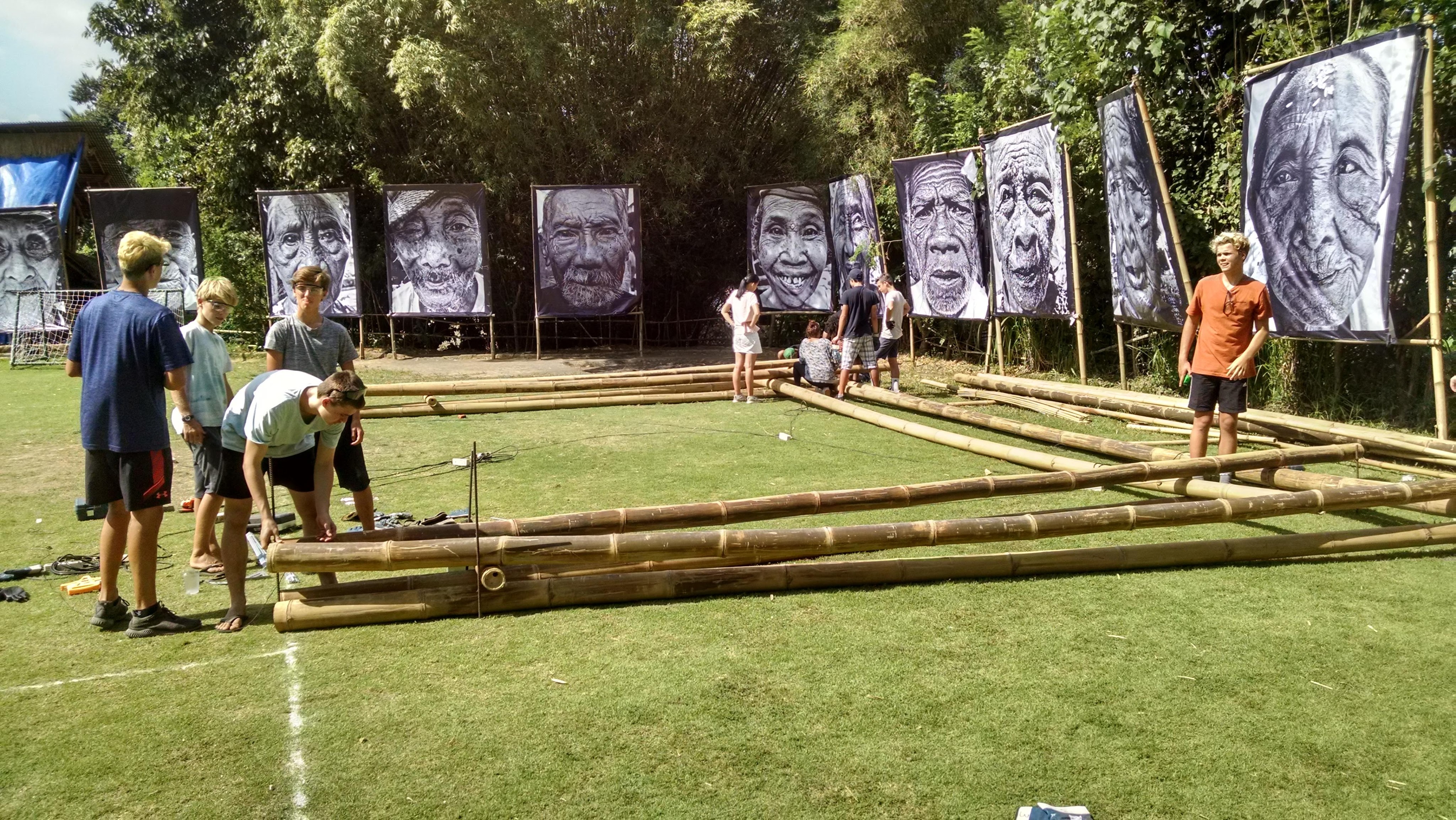
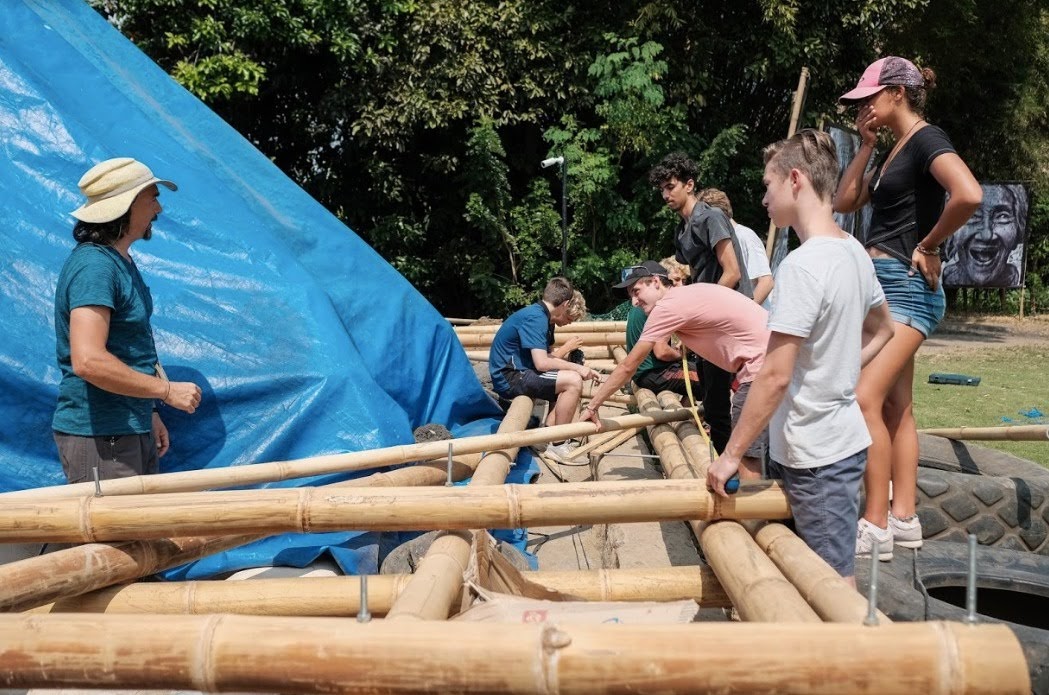
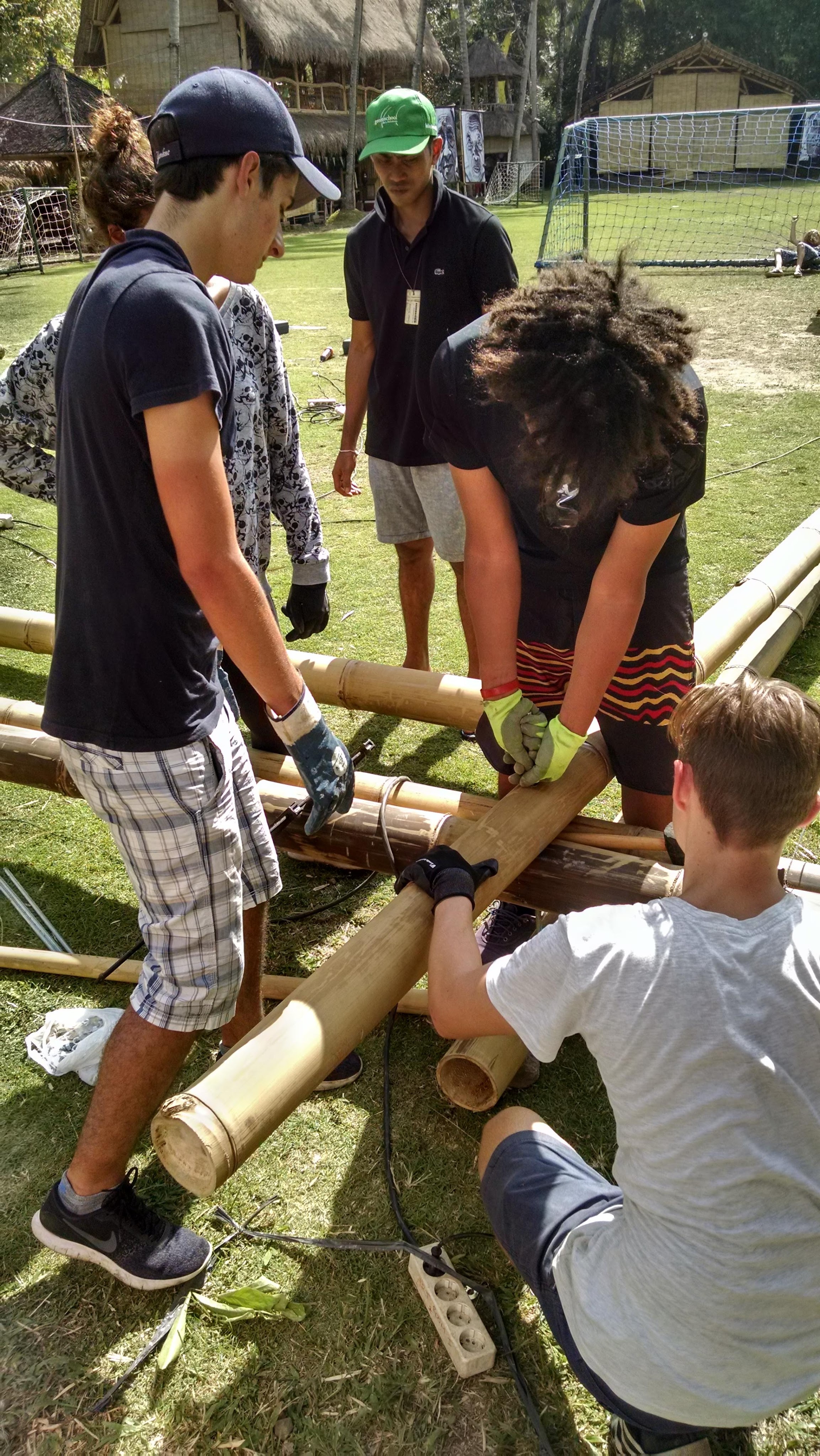
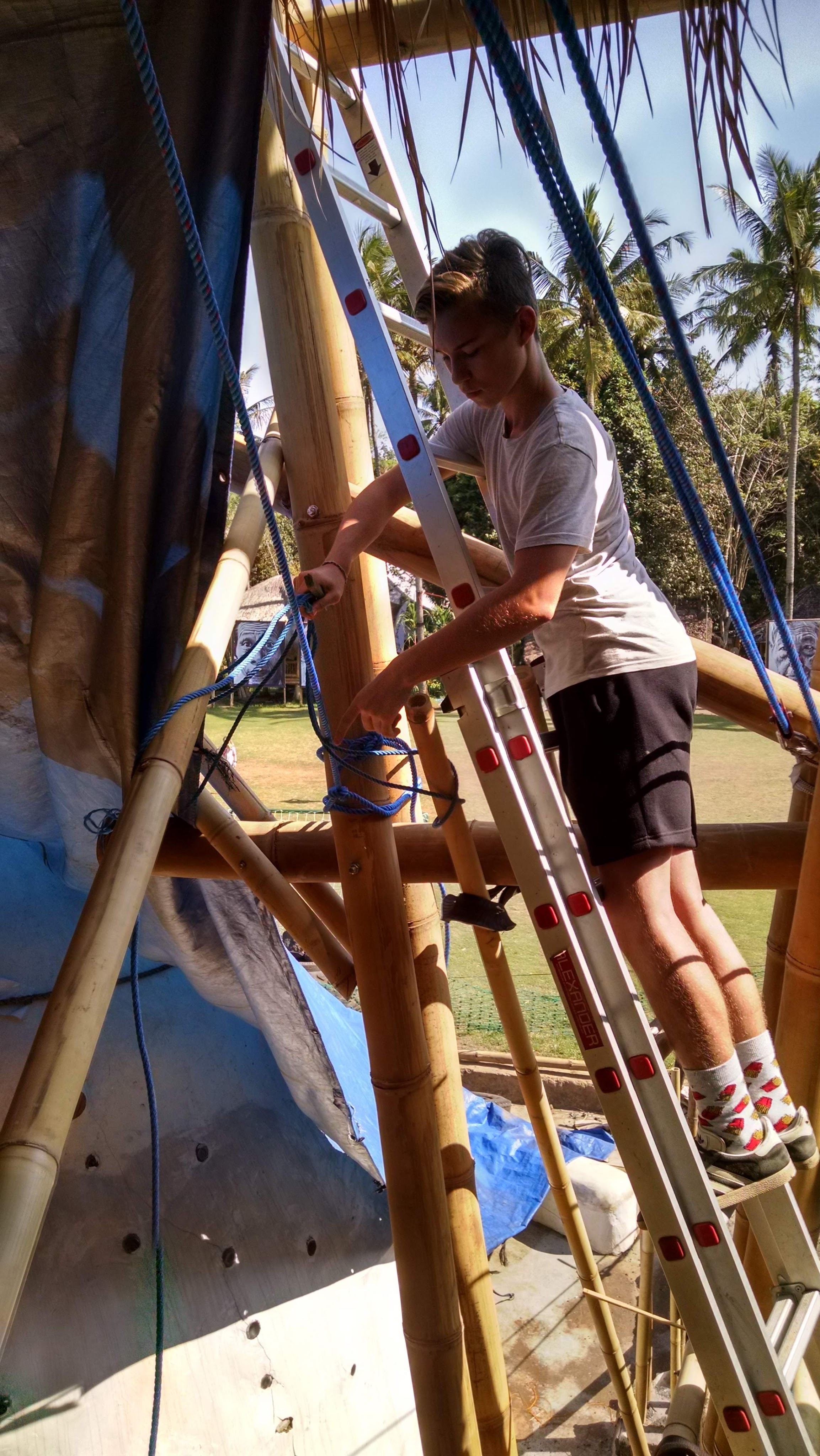
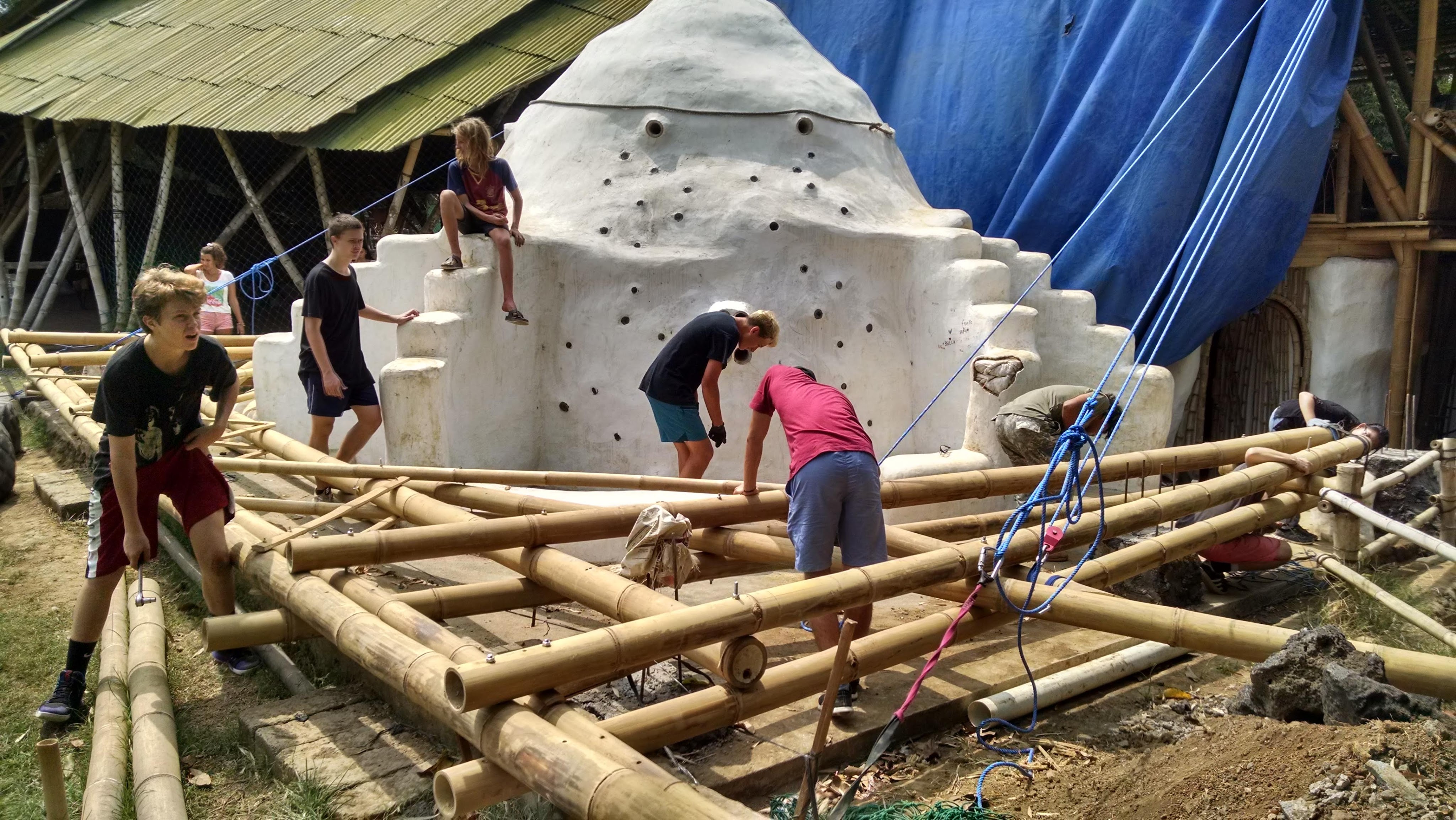
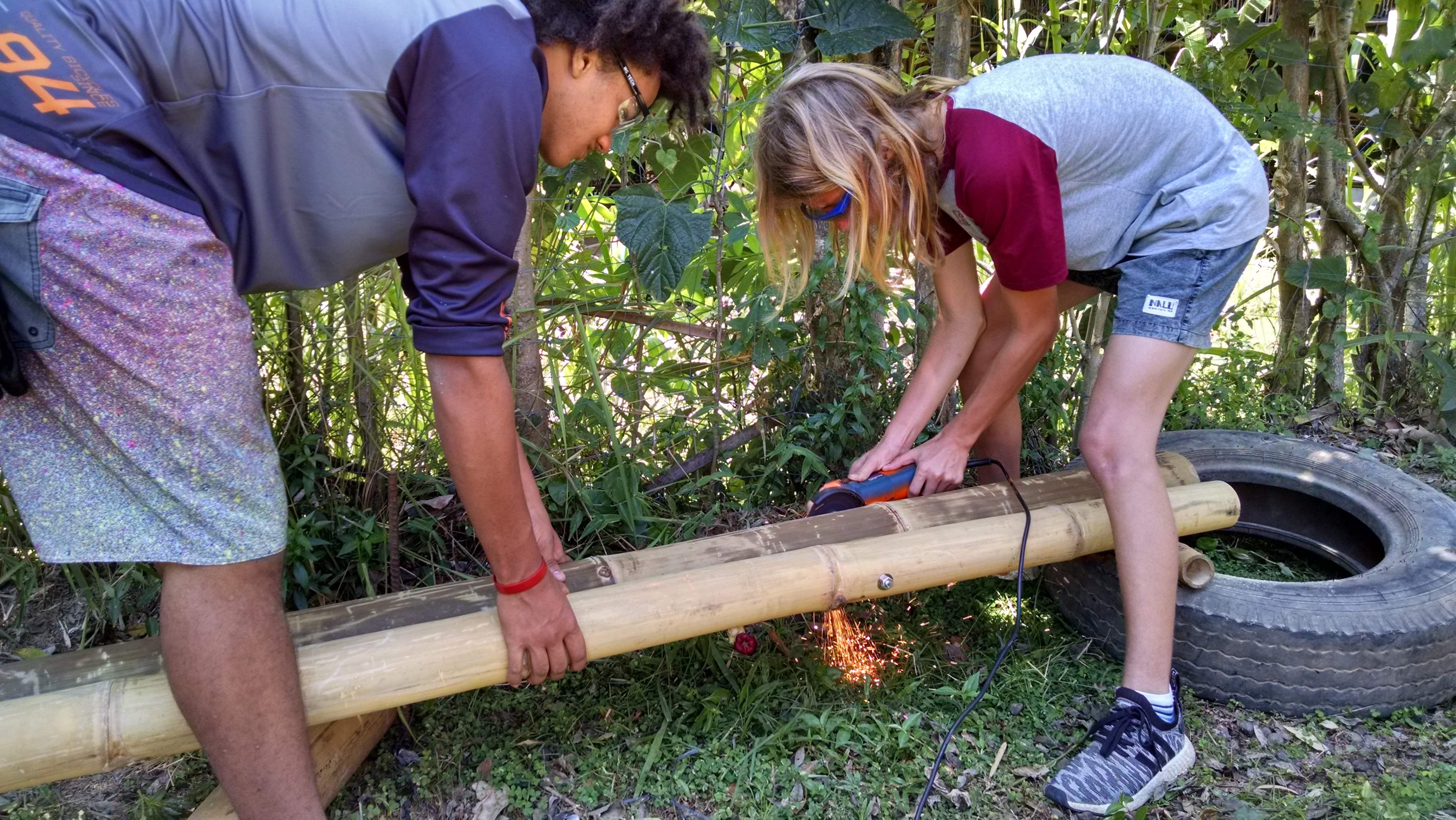
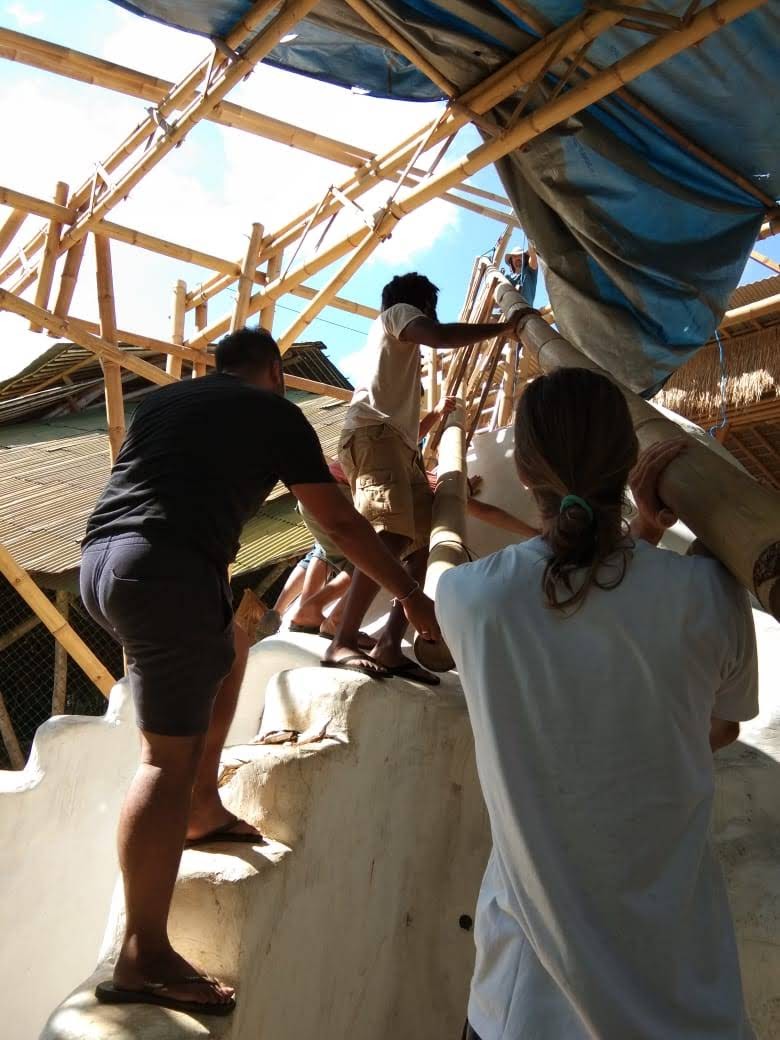
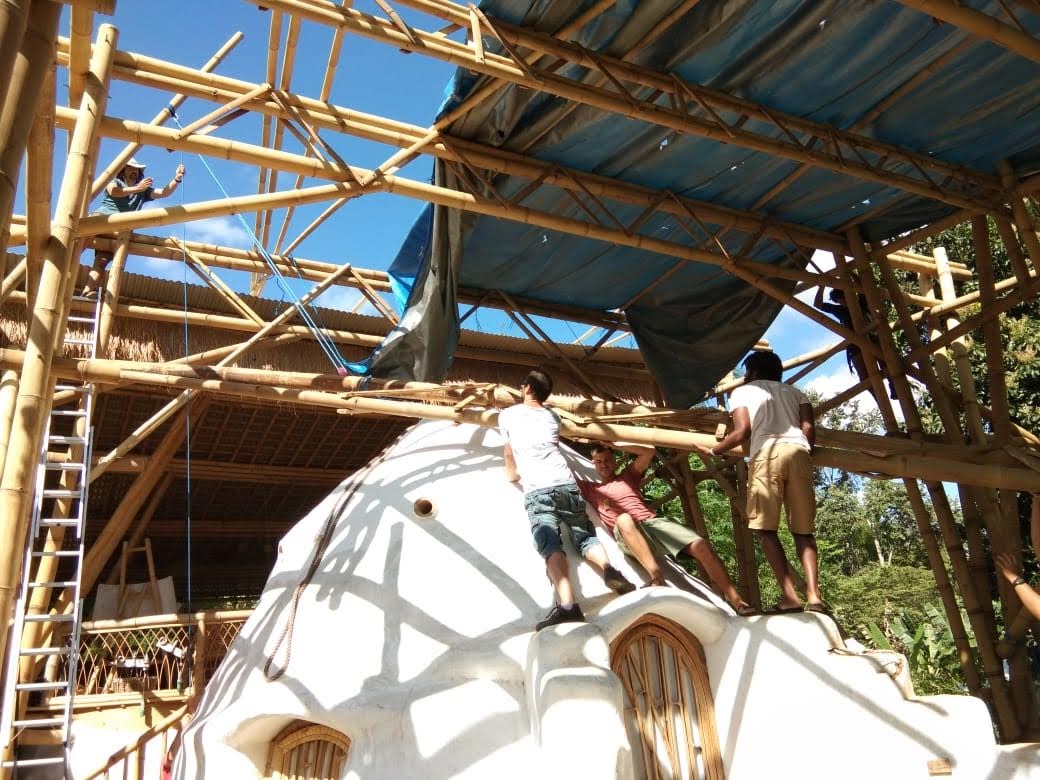
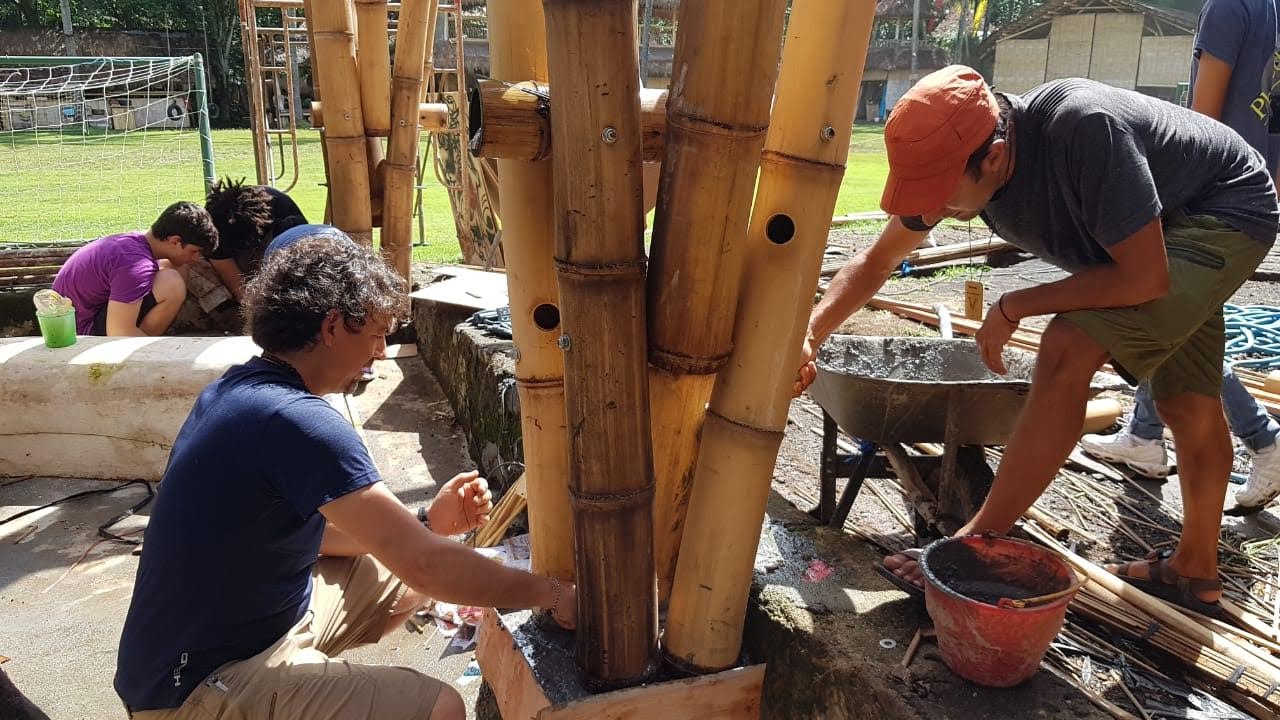
OROS, Operation Rain or Shine. This was a unique Student project using many types of bamboo in innovative ways to create a stacked function roof. It had to be strong and flat enough to hold a large PV solar array (40 Panels) and a large area rain water collection for micro hydro and water storage.
The roof also protected an earlier project built with super adobe, and created an indoor outdoor shade, rain protection space and an amphitheater.
In addition to the new truss systems using split bamboo webbing, and lightweight bamboo rafters it used an innovative recycled roofing material made from TetraPak containers made into a corrugated roofing that reflected heat, made a perfect mounting surface for solar rails, and was quiet in the rain.
It had a traditional grass roof skirt around the lower sides to protect the space from driving rain and make a solar convection cooling system.



Anthony Sunroom and Solar Pergola
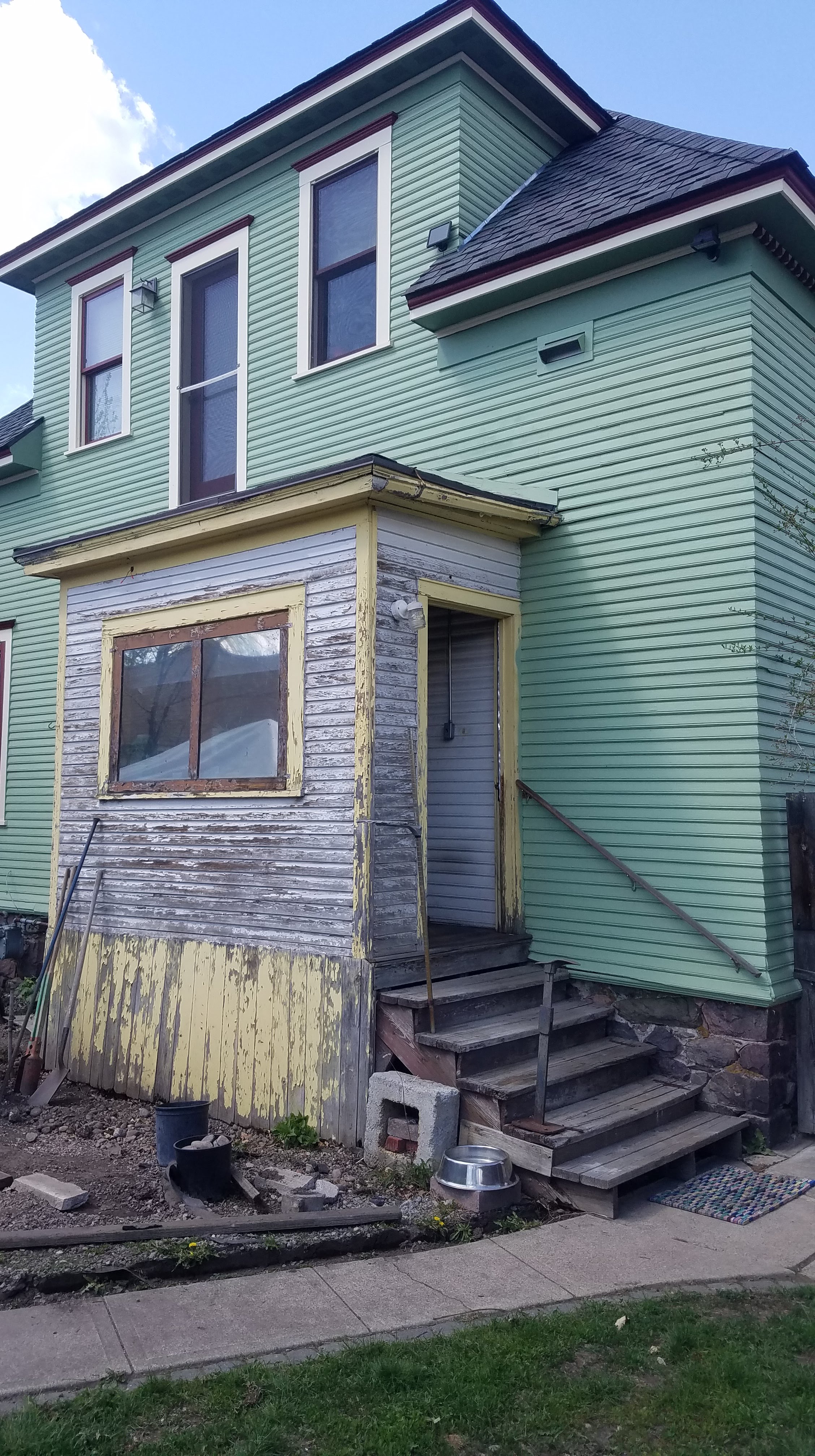
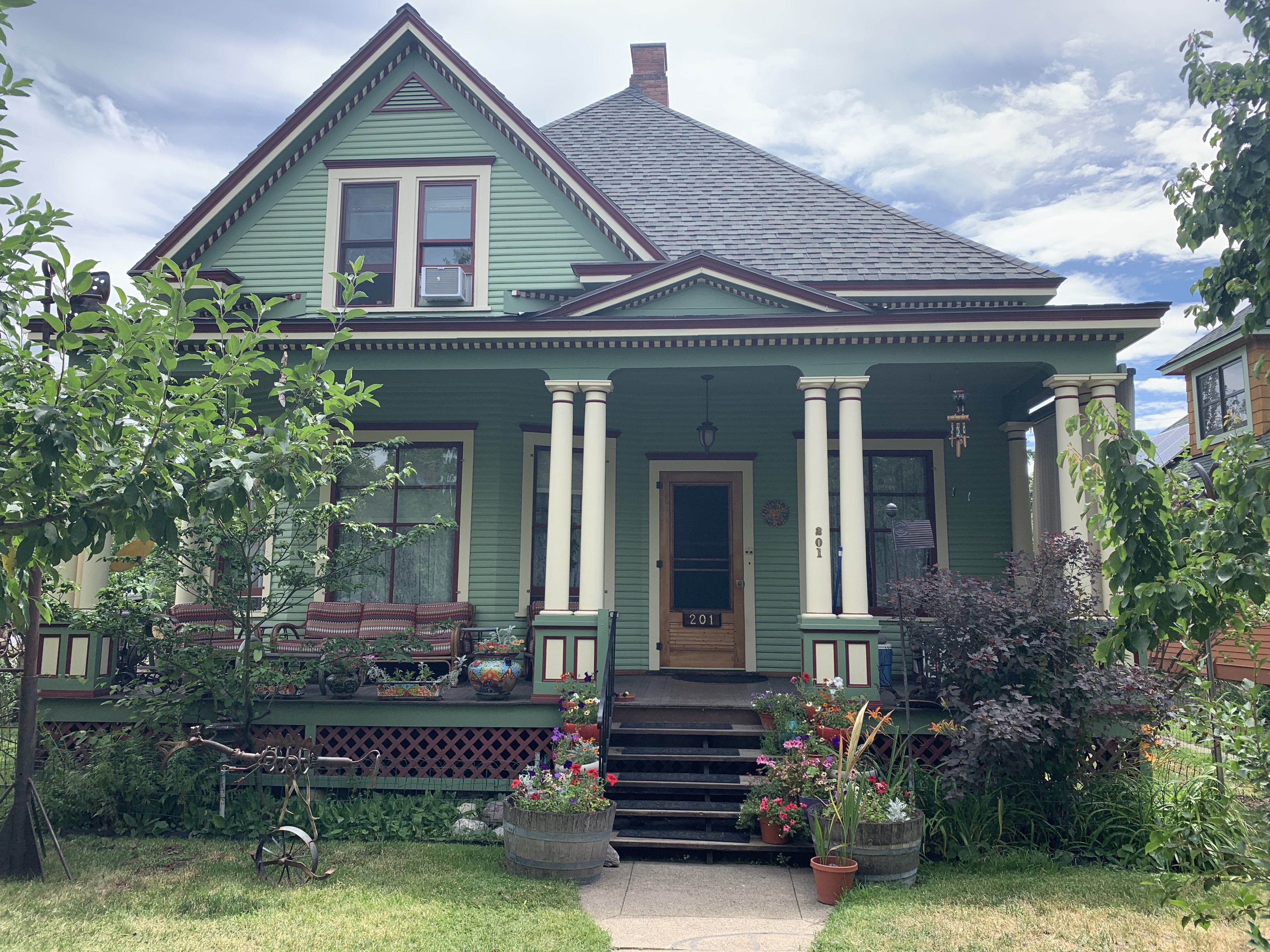
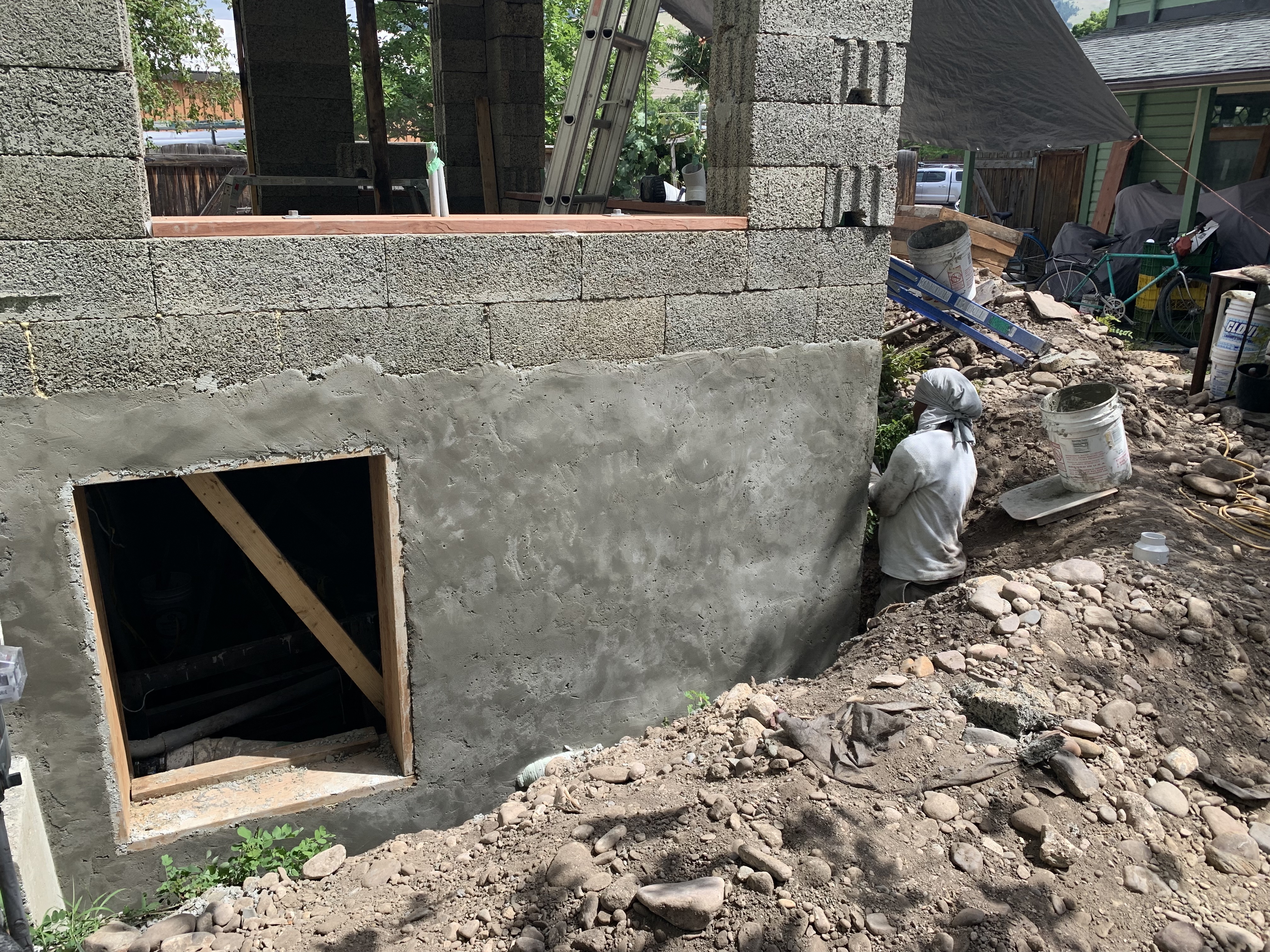
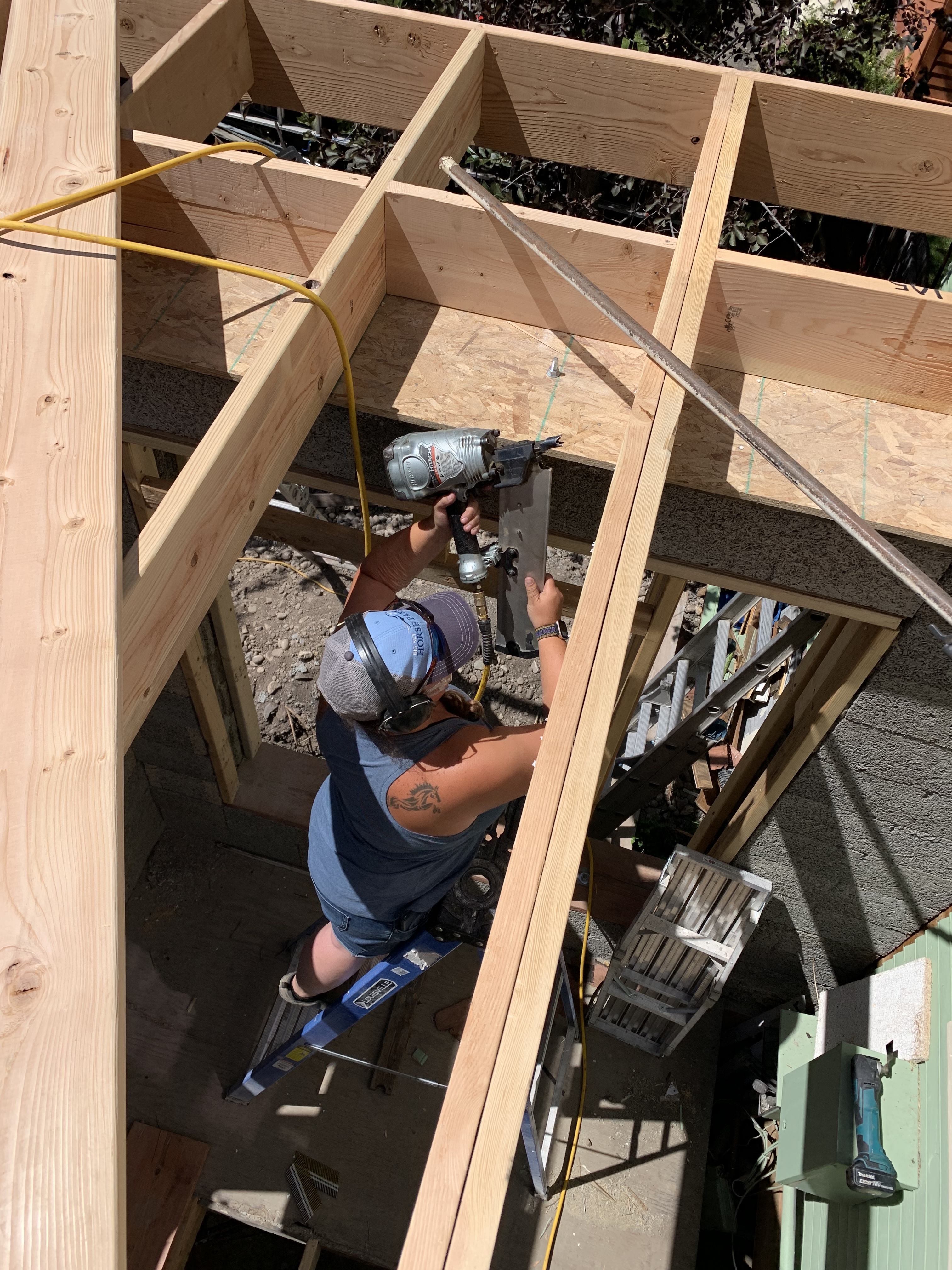
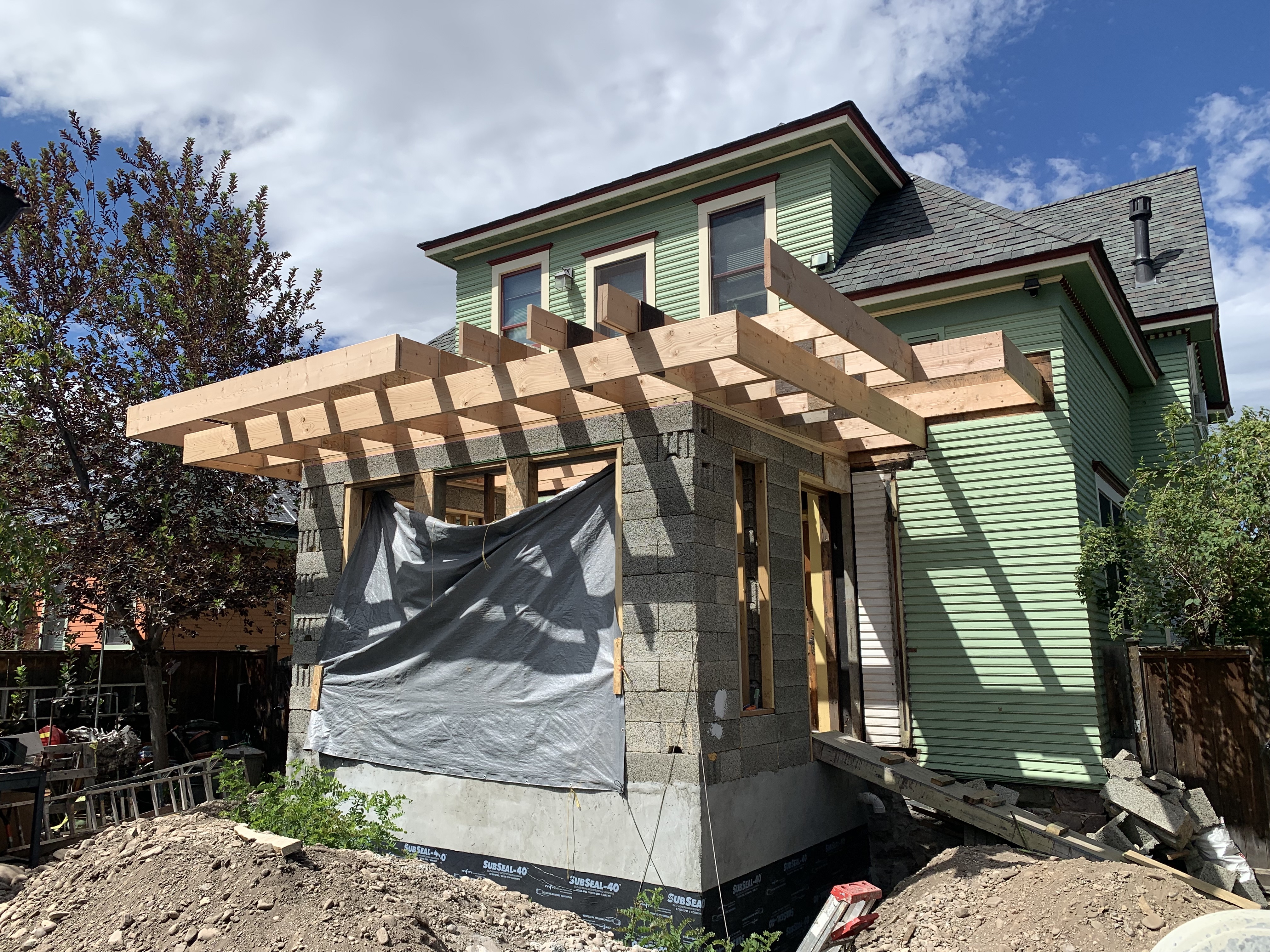
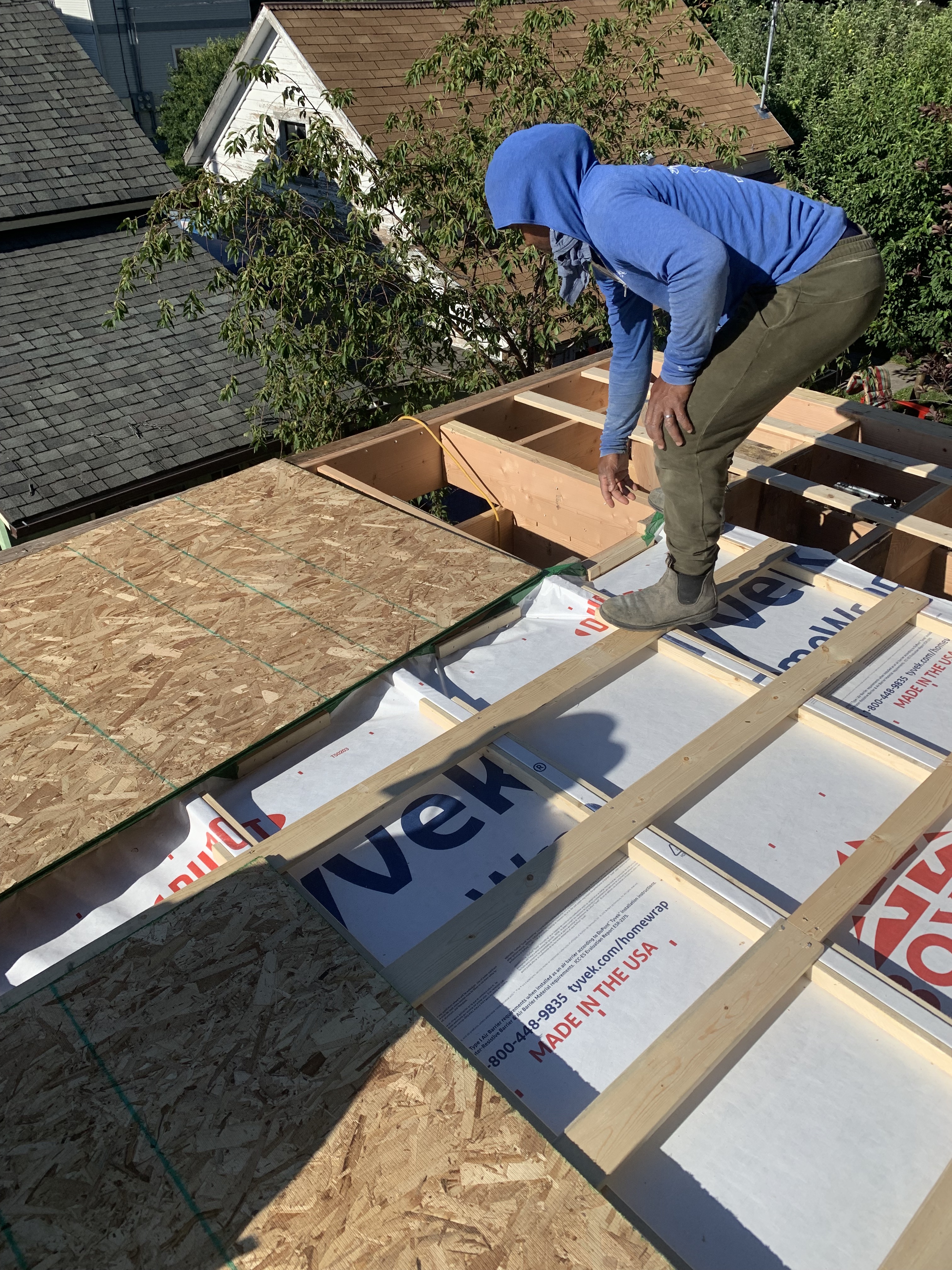
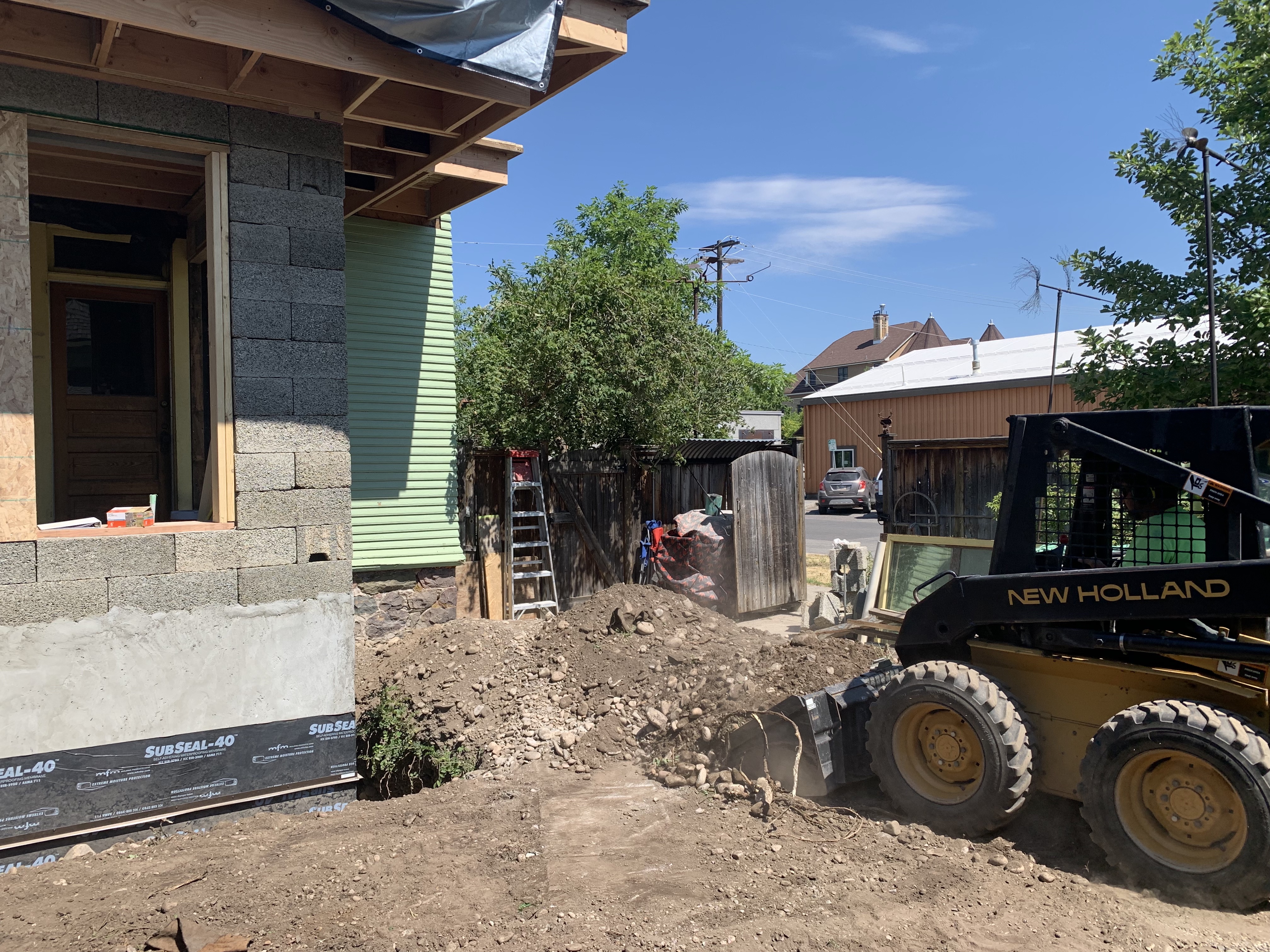
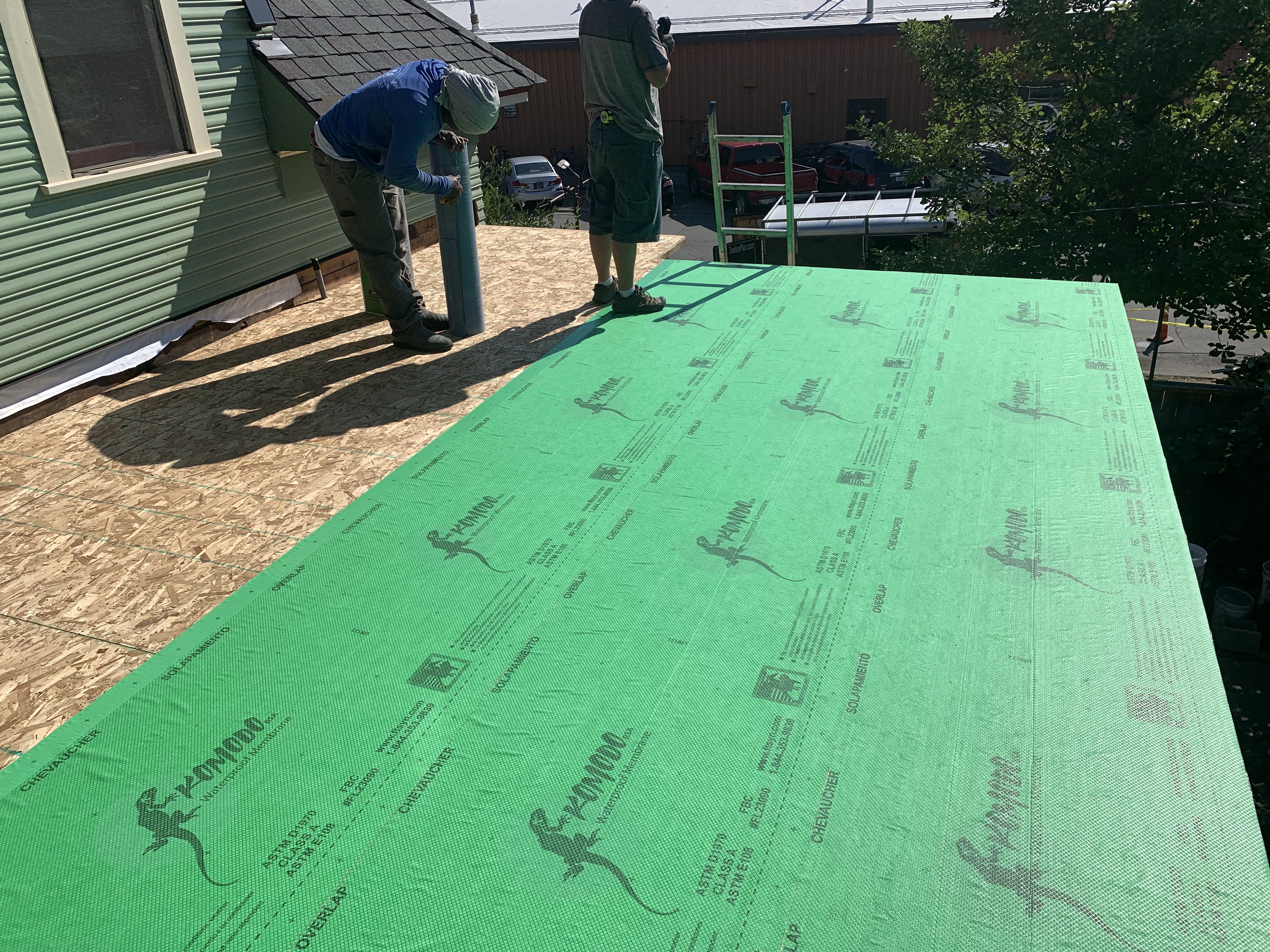
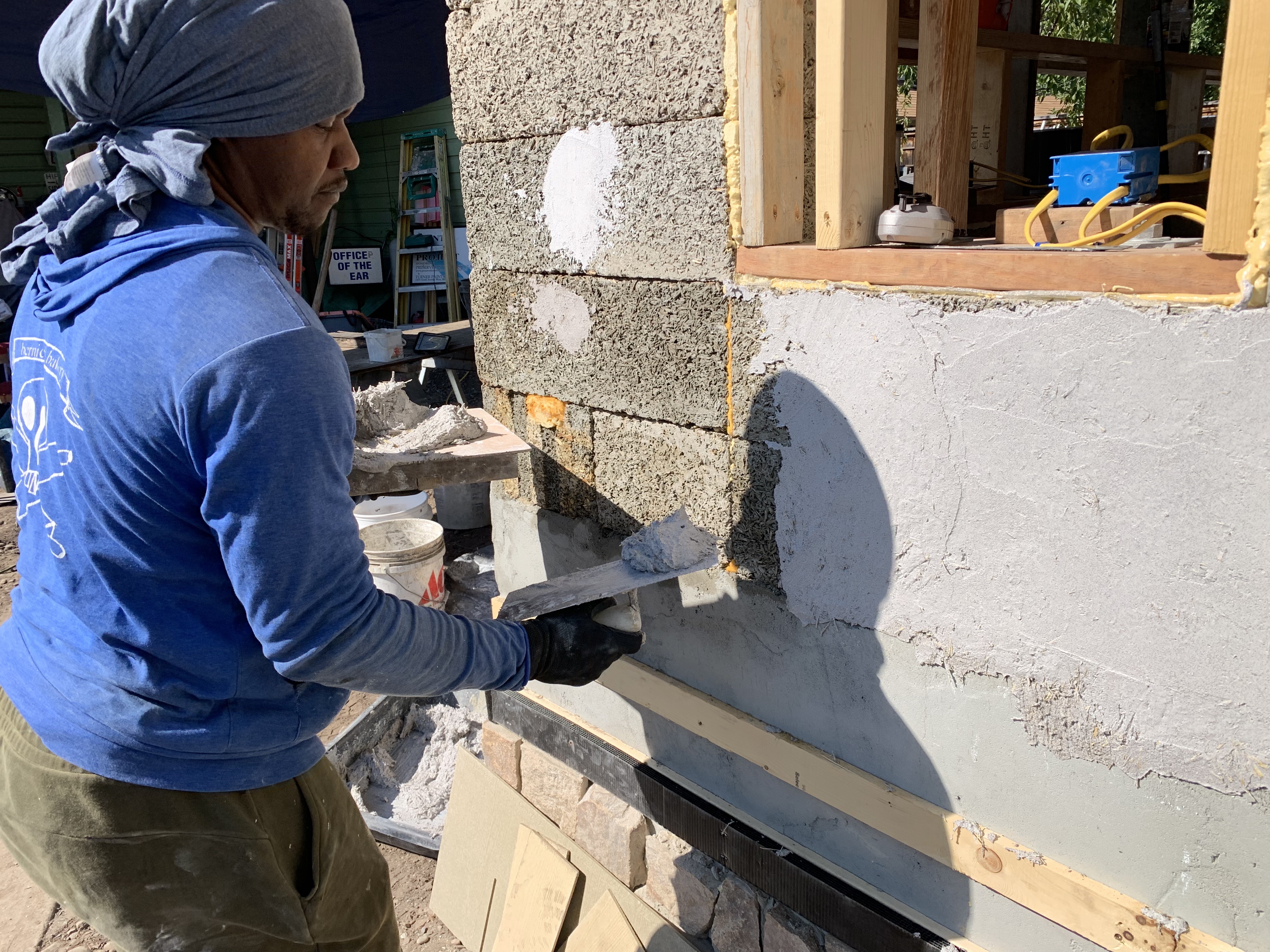
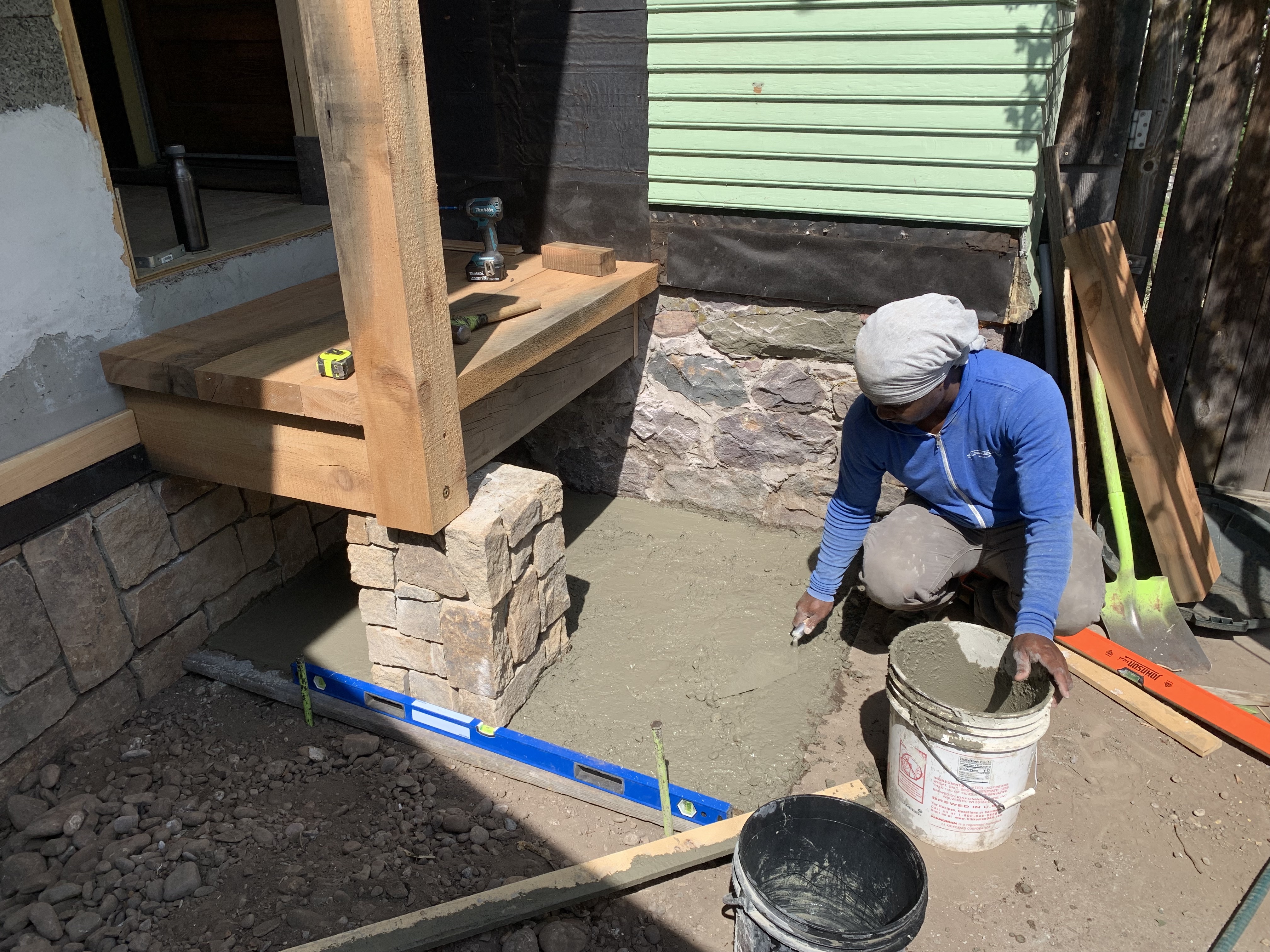
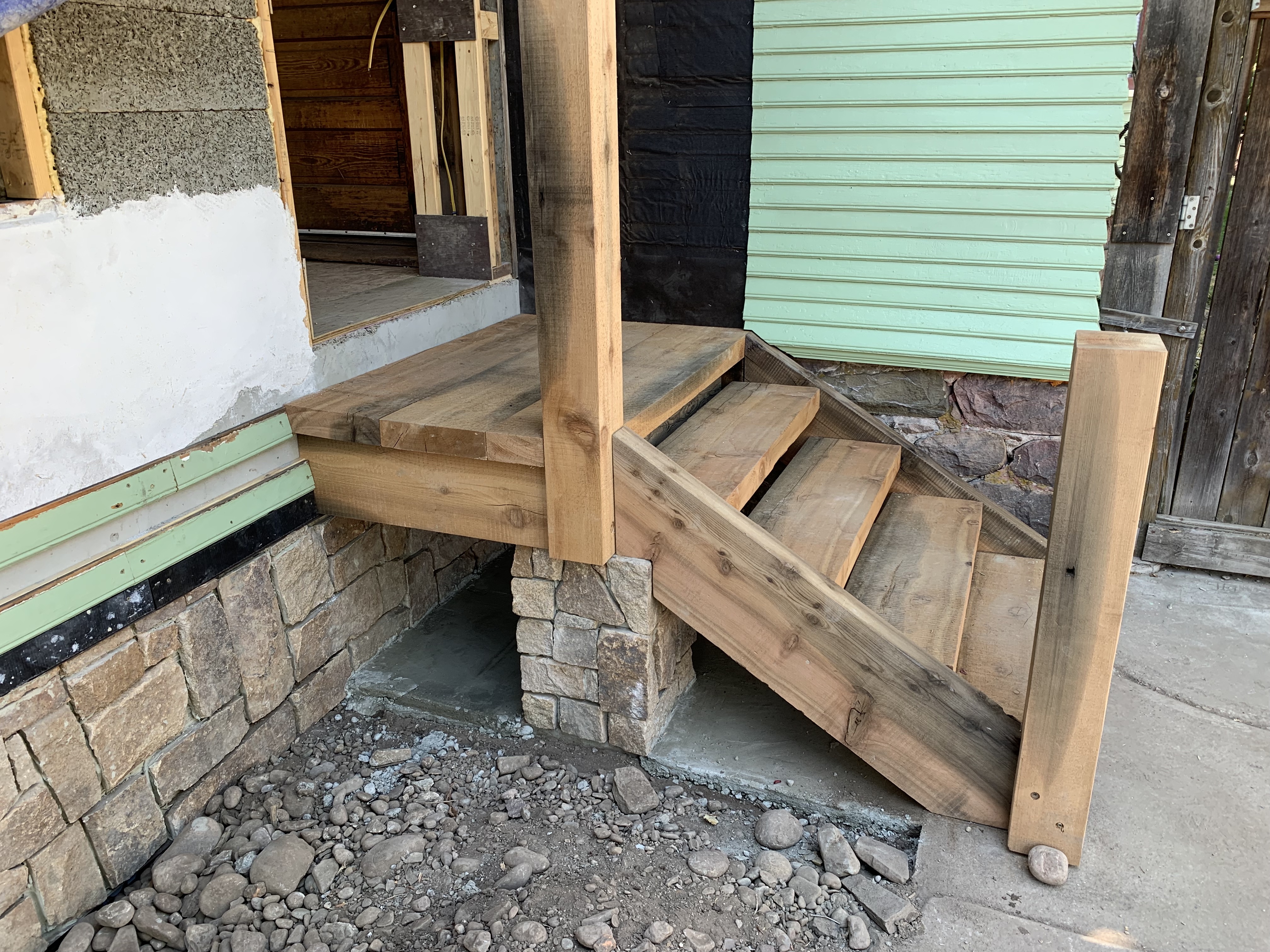
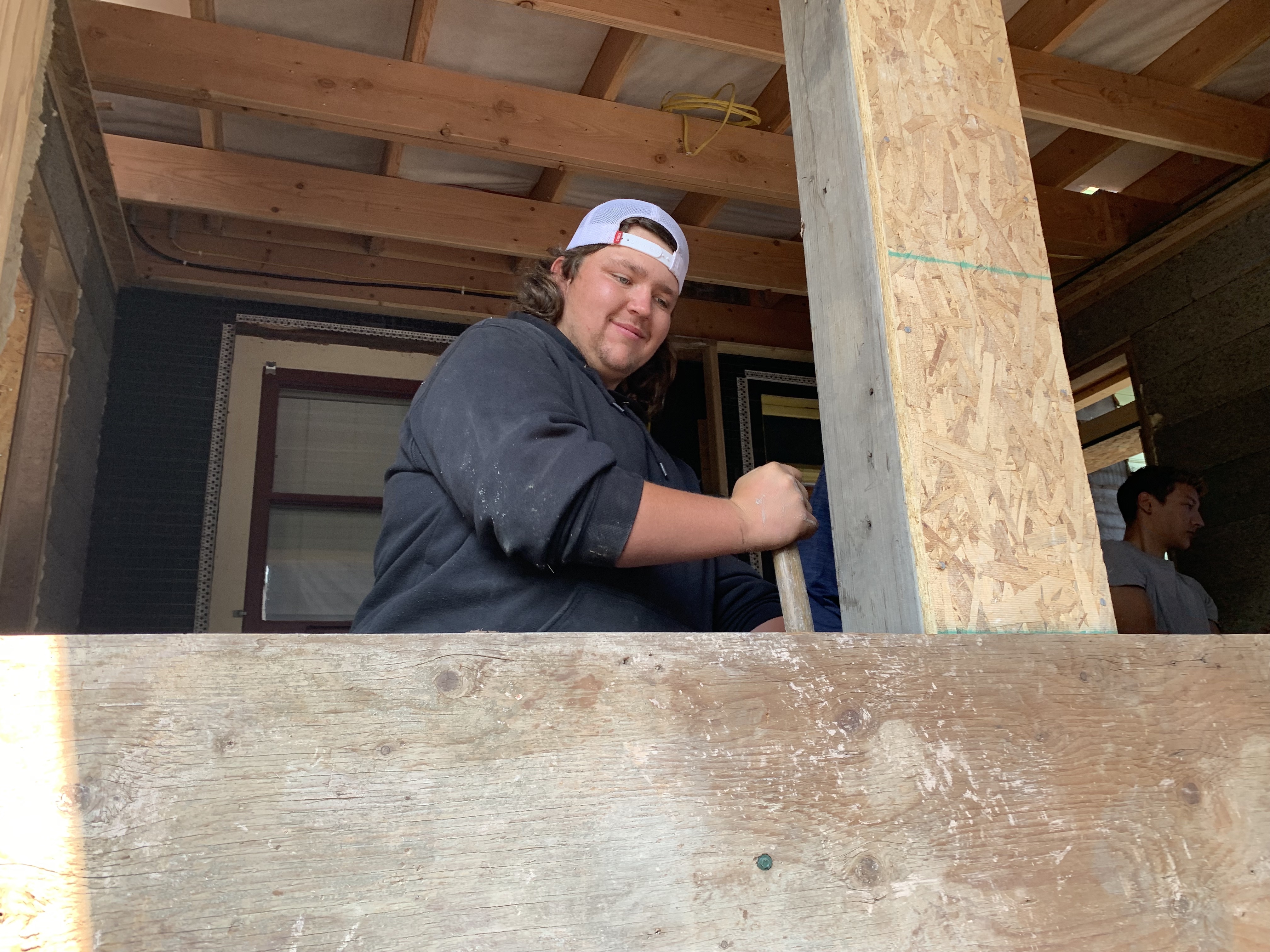
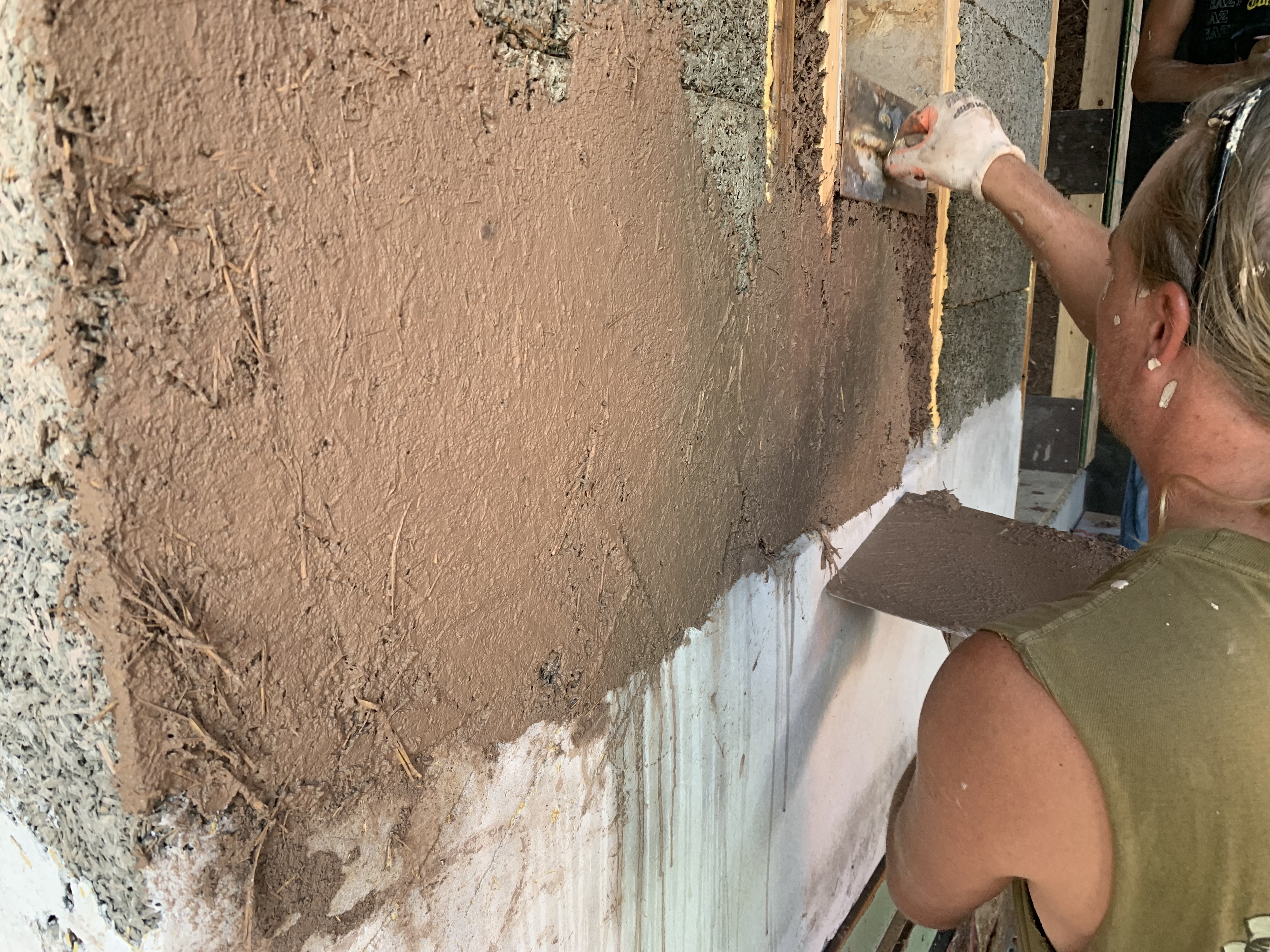
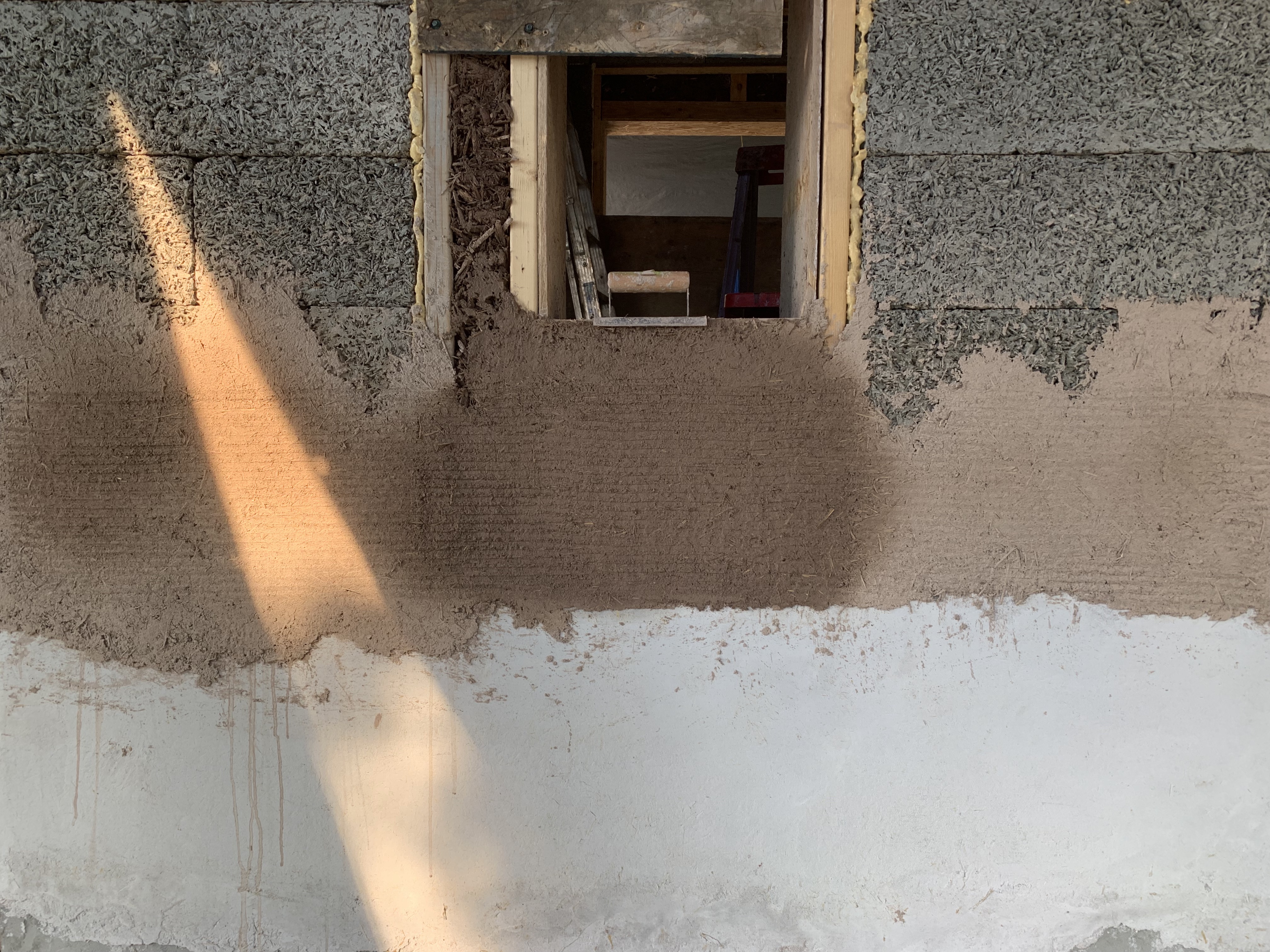
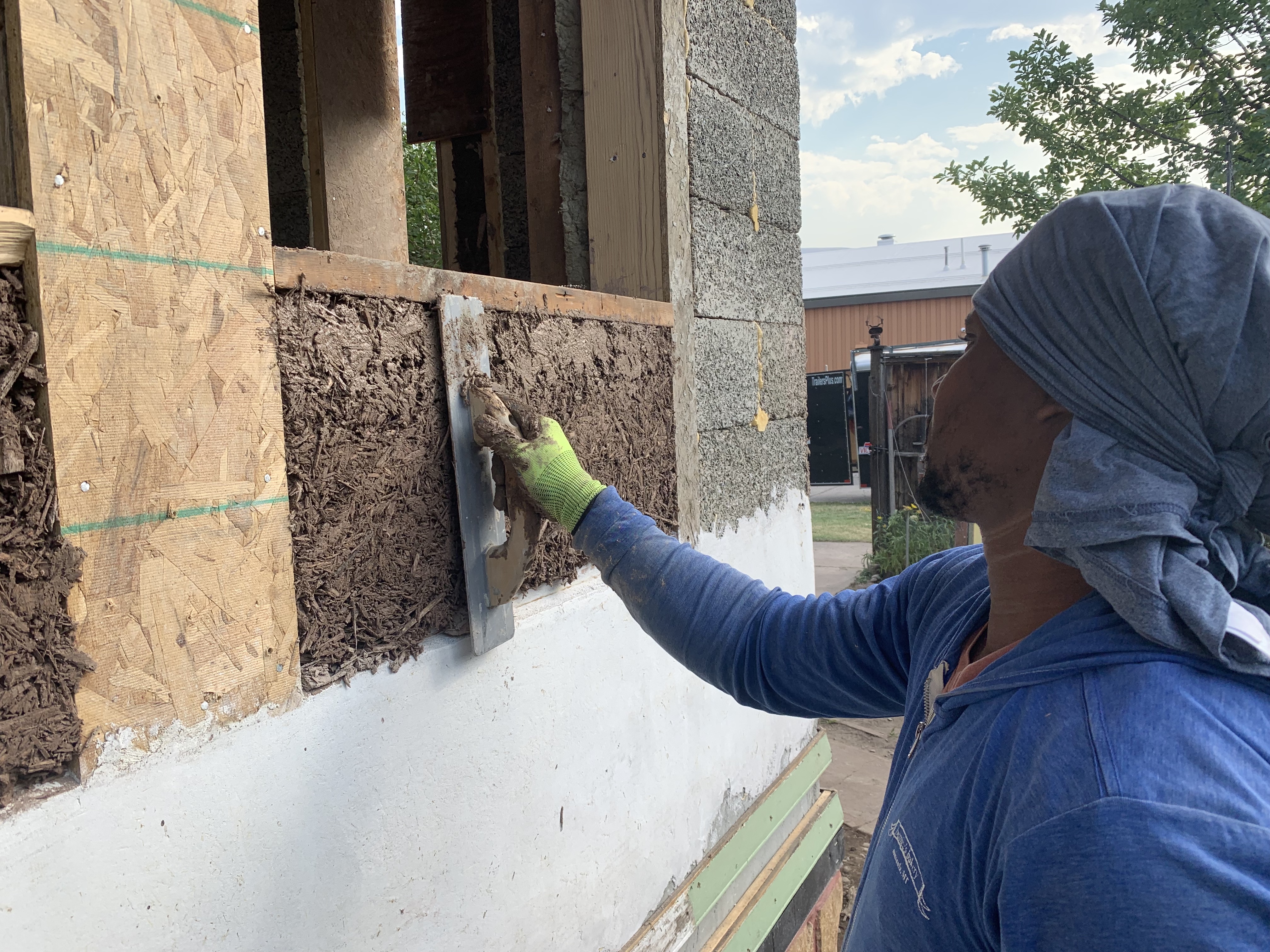
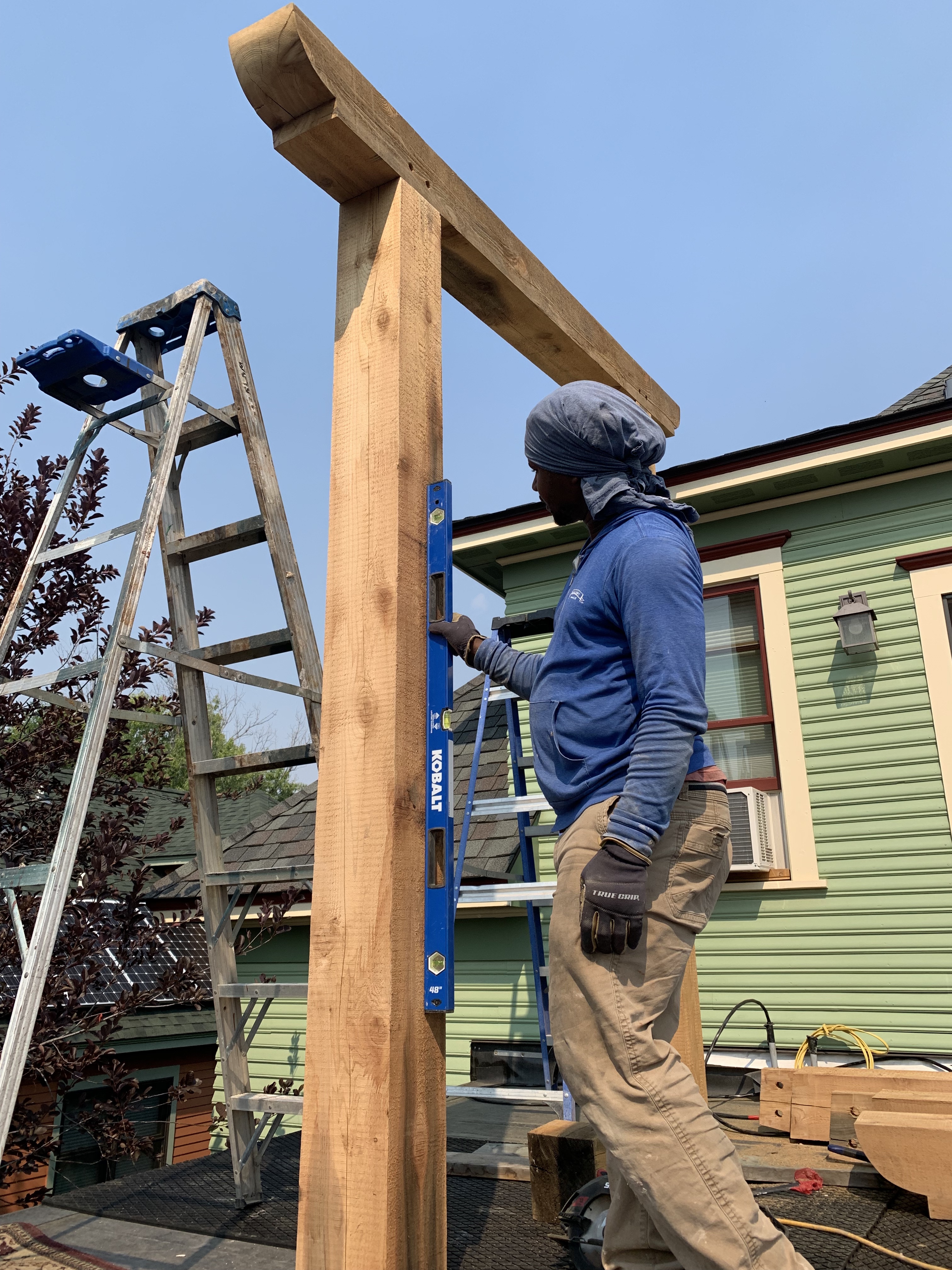
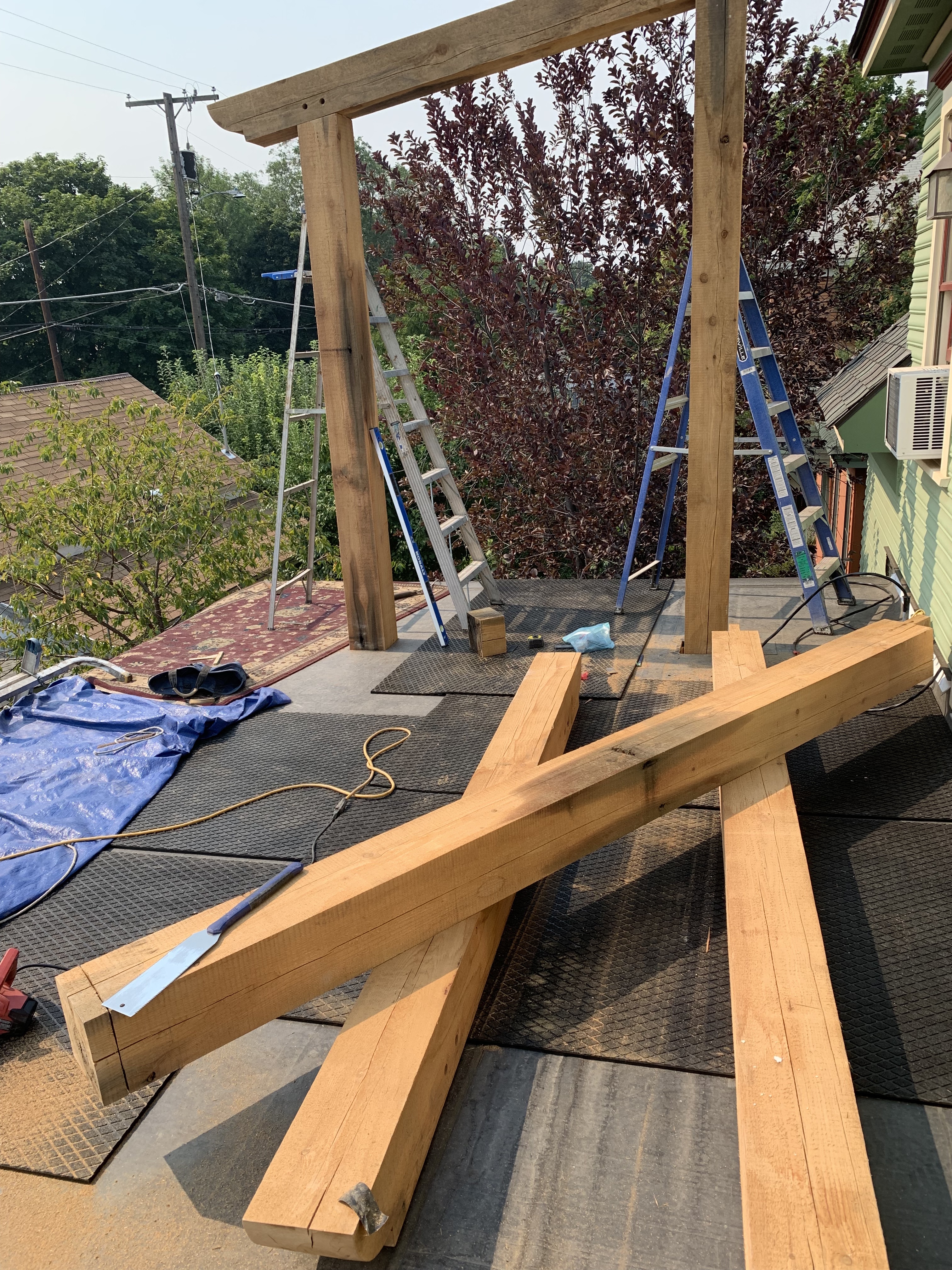
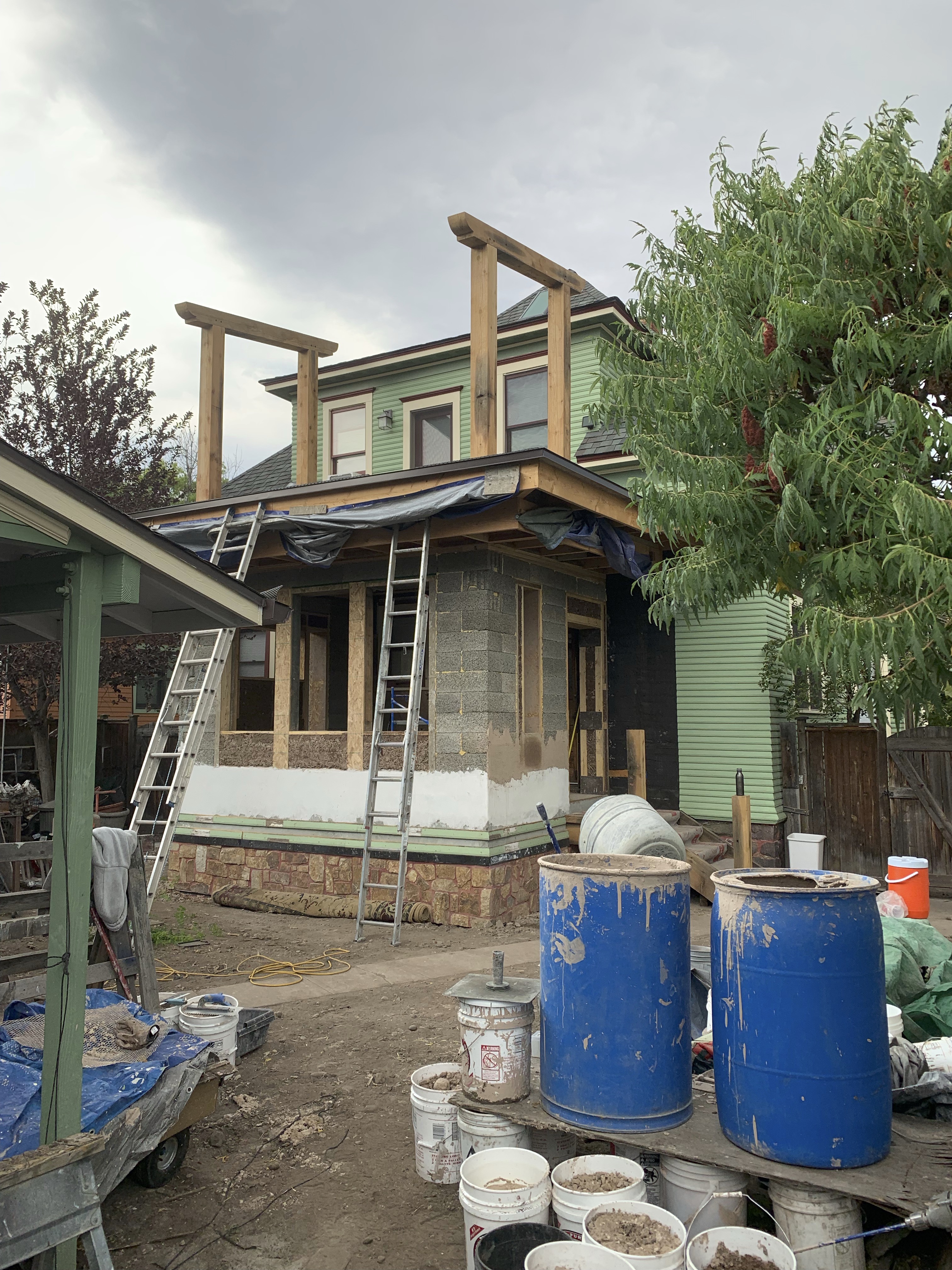
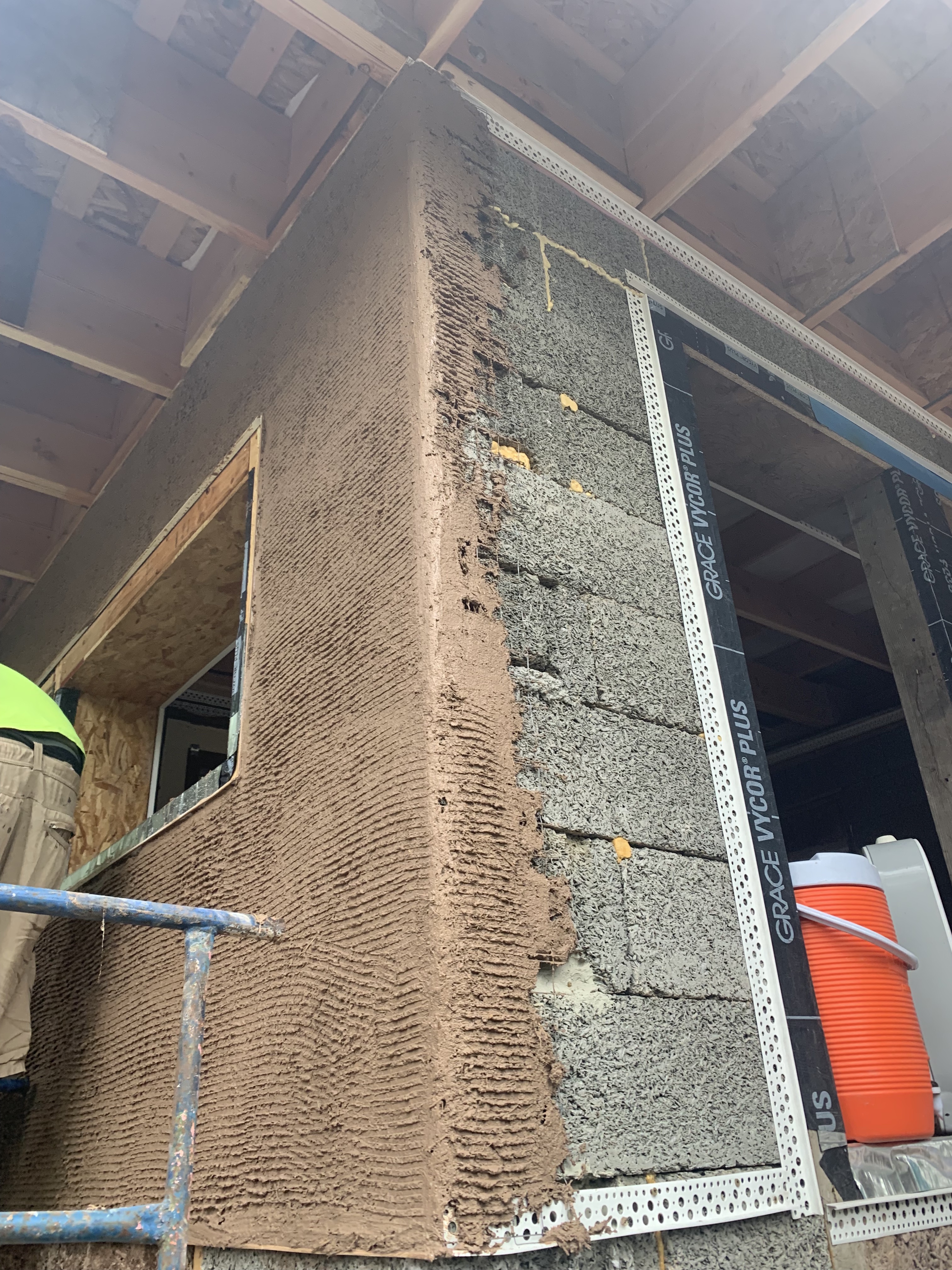
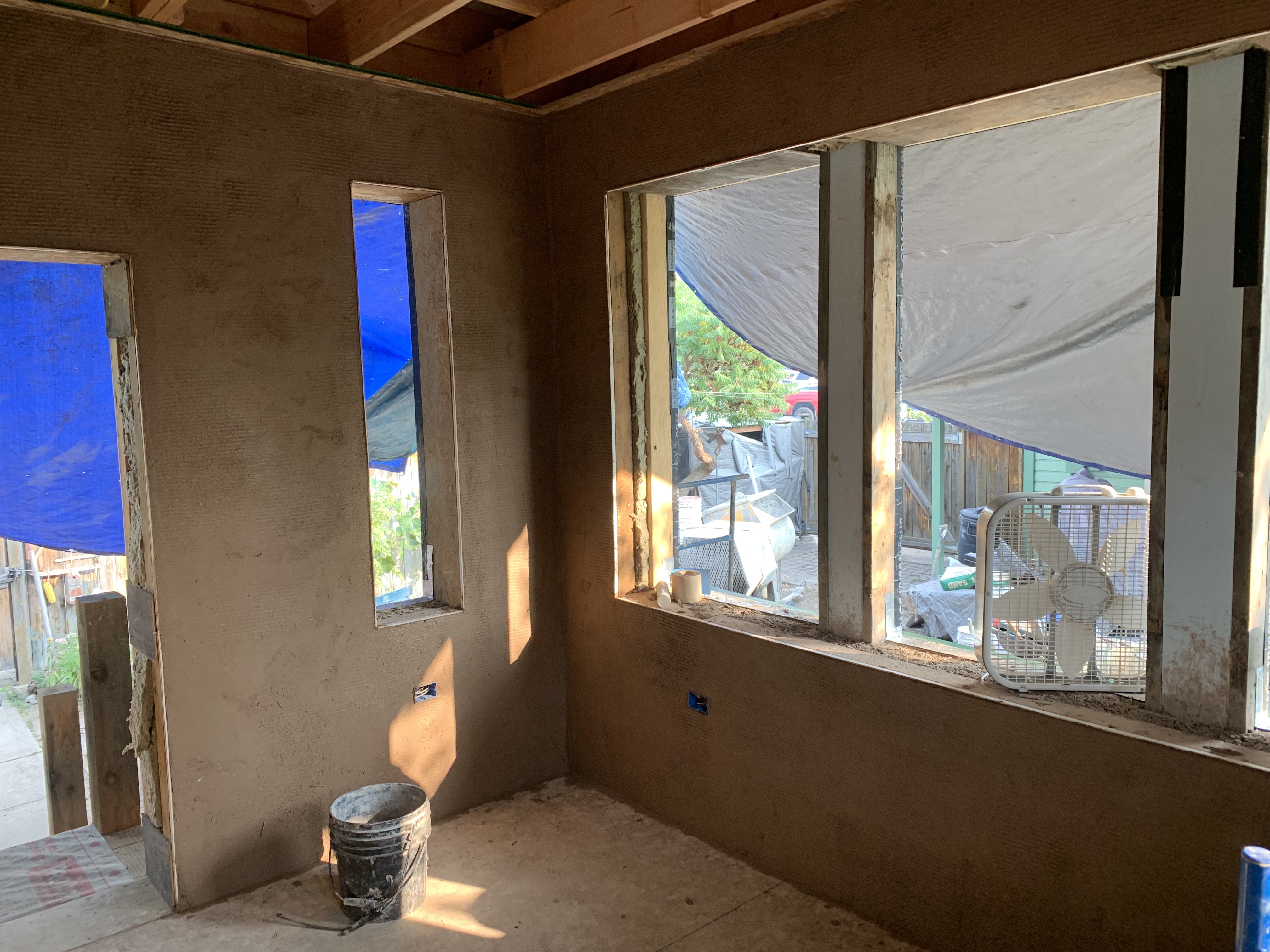
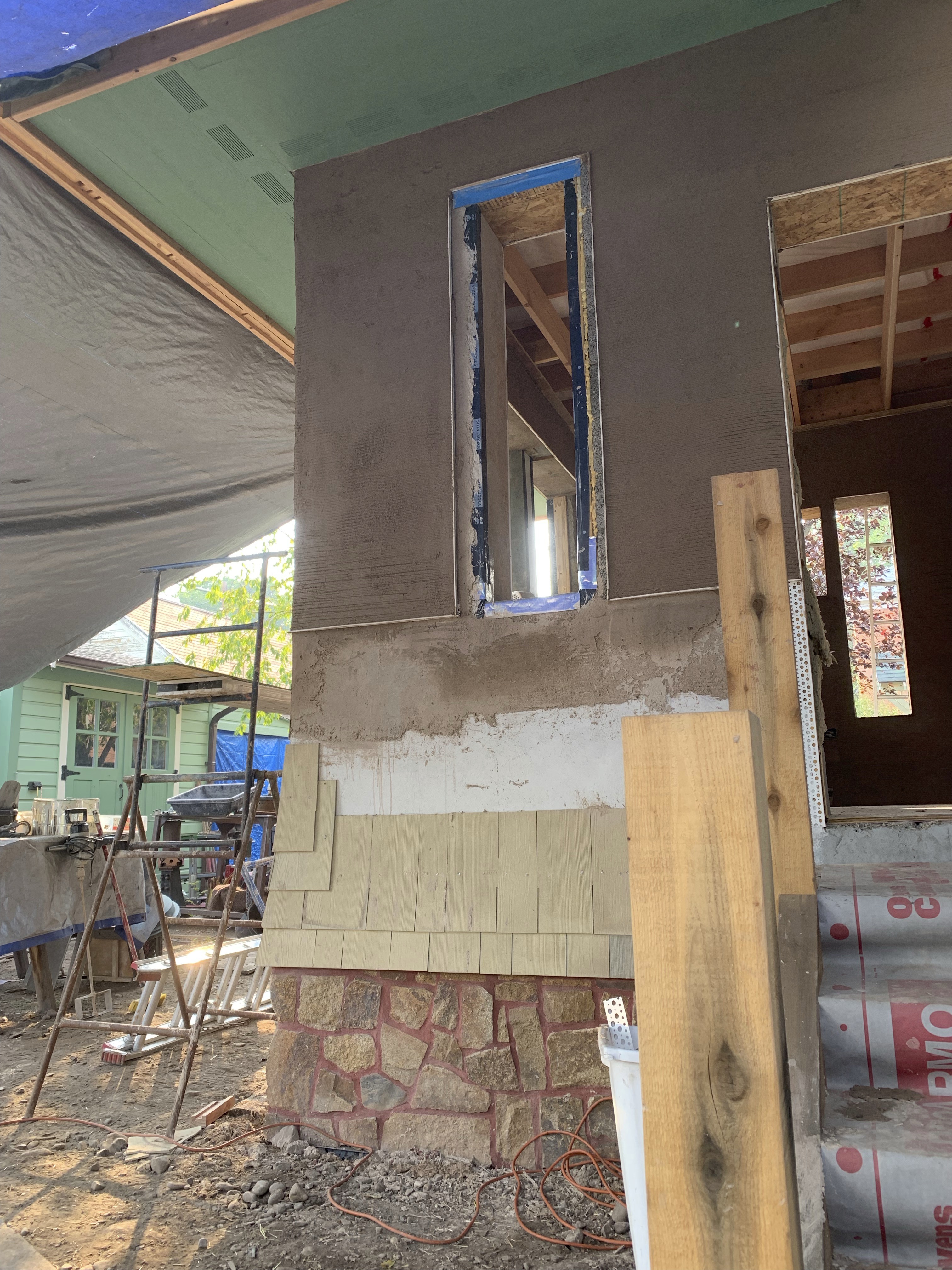
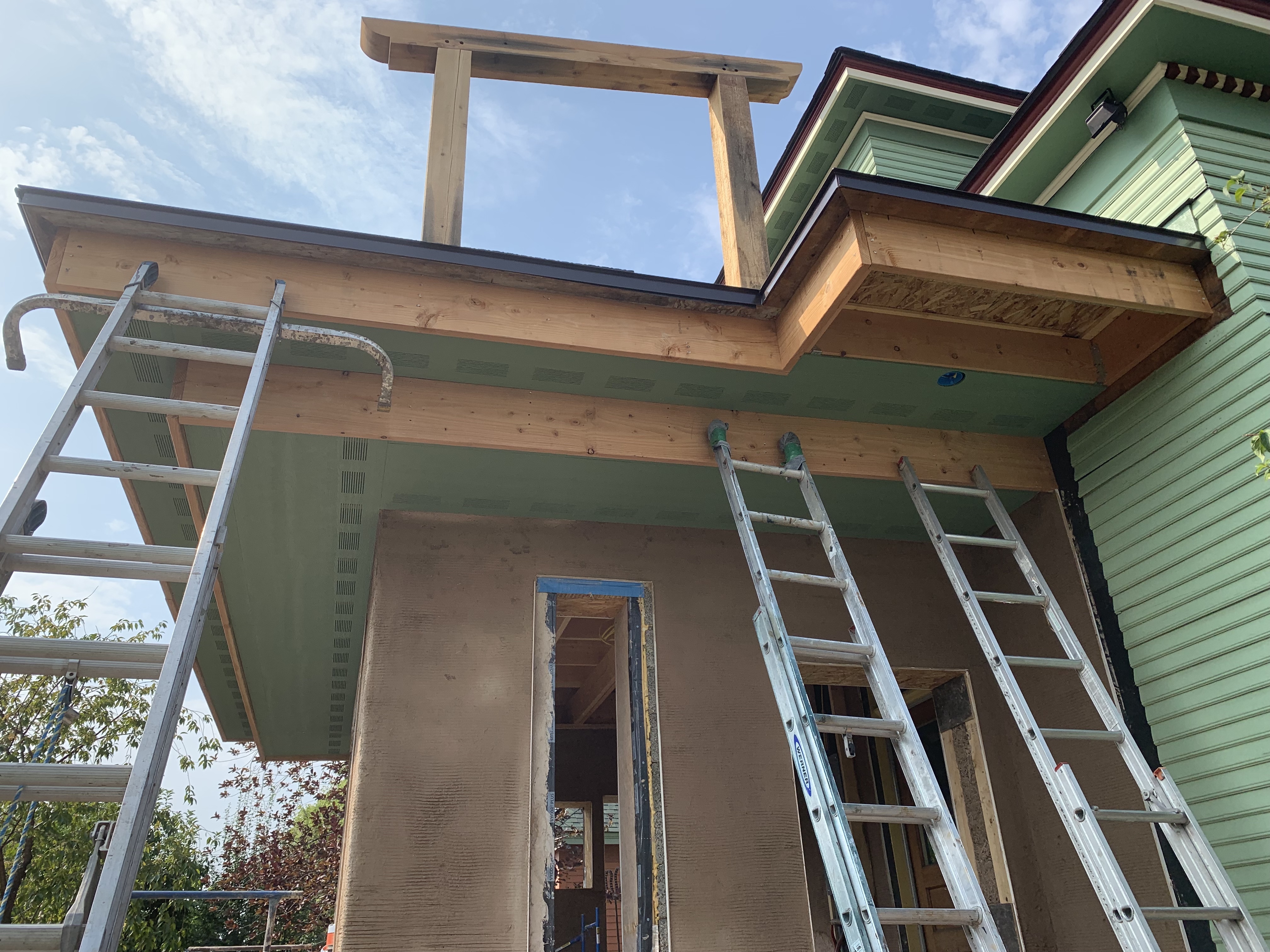
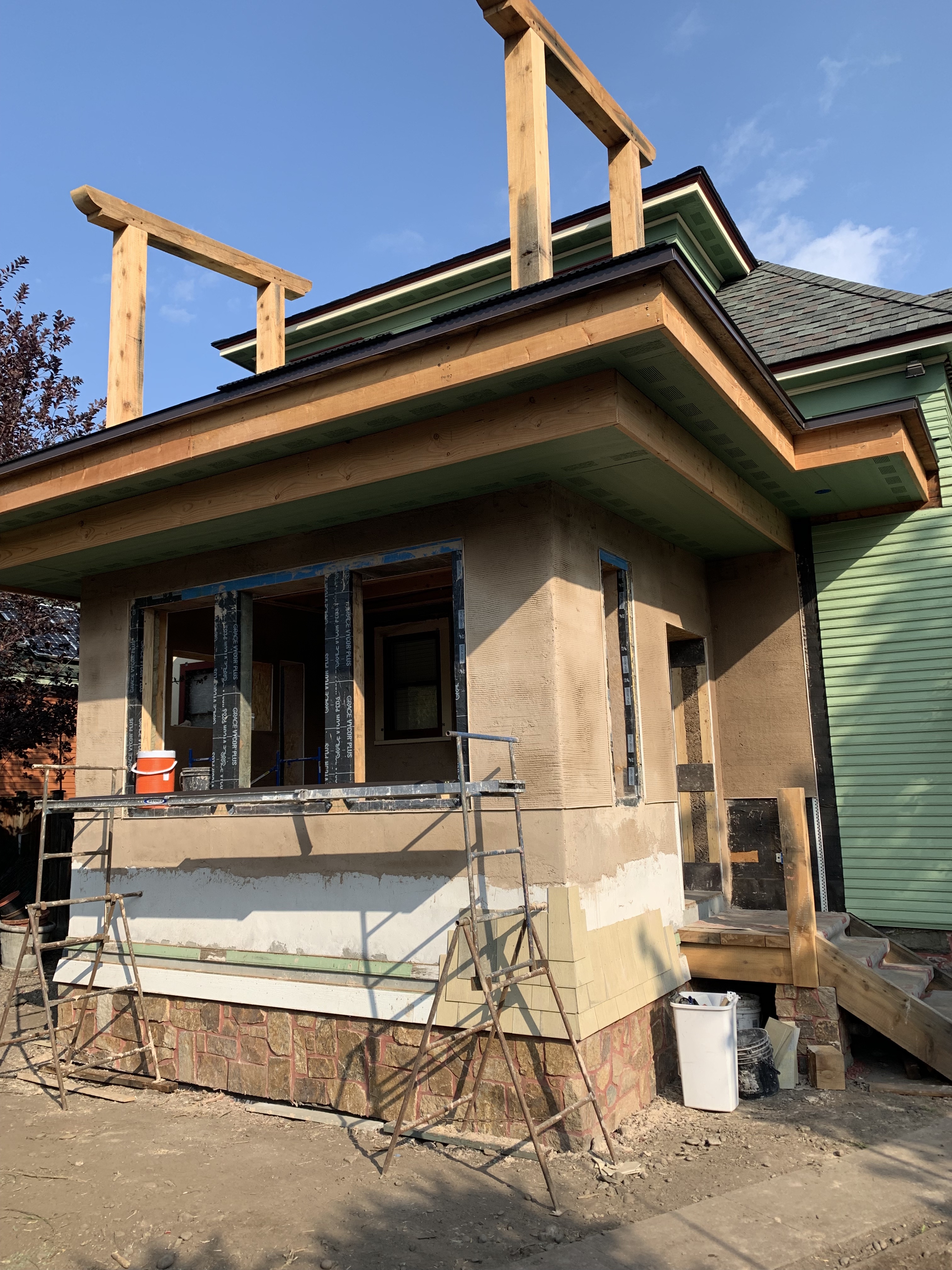
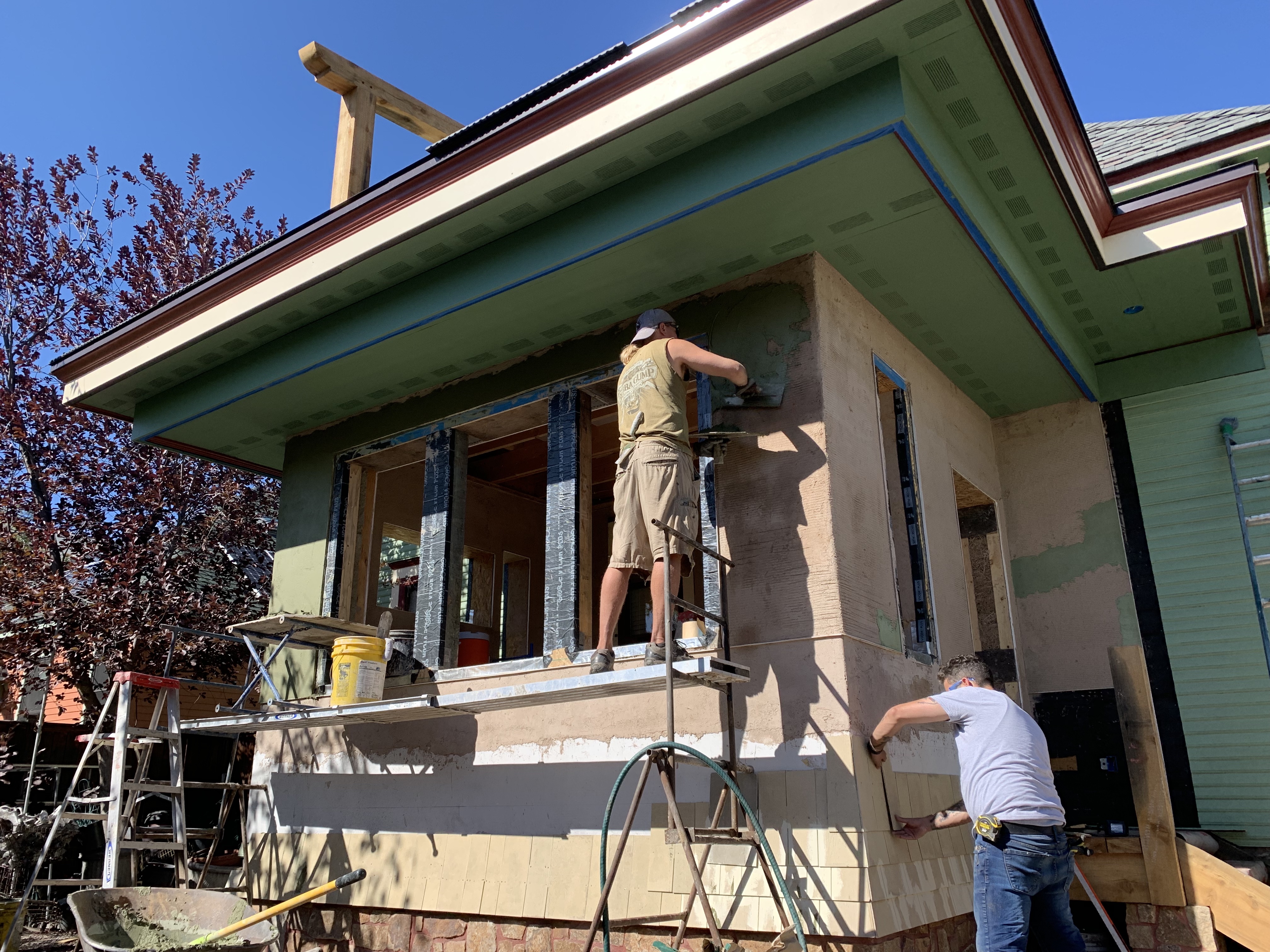
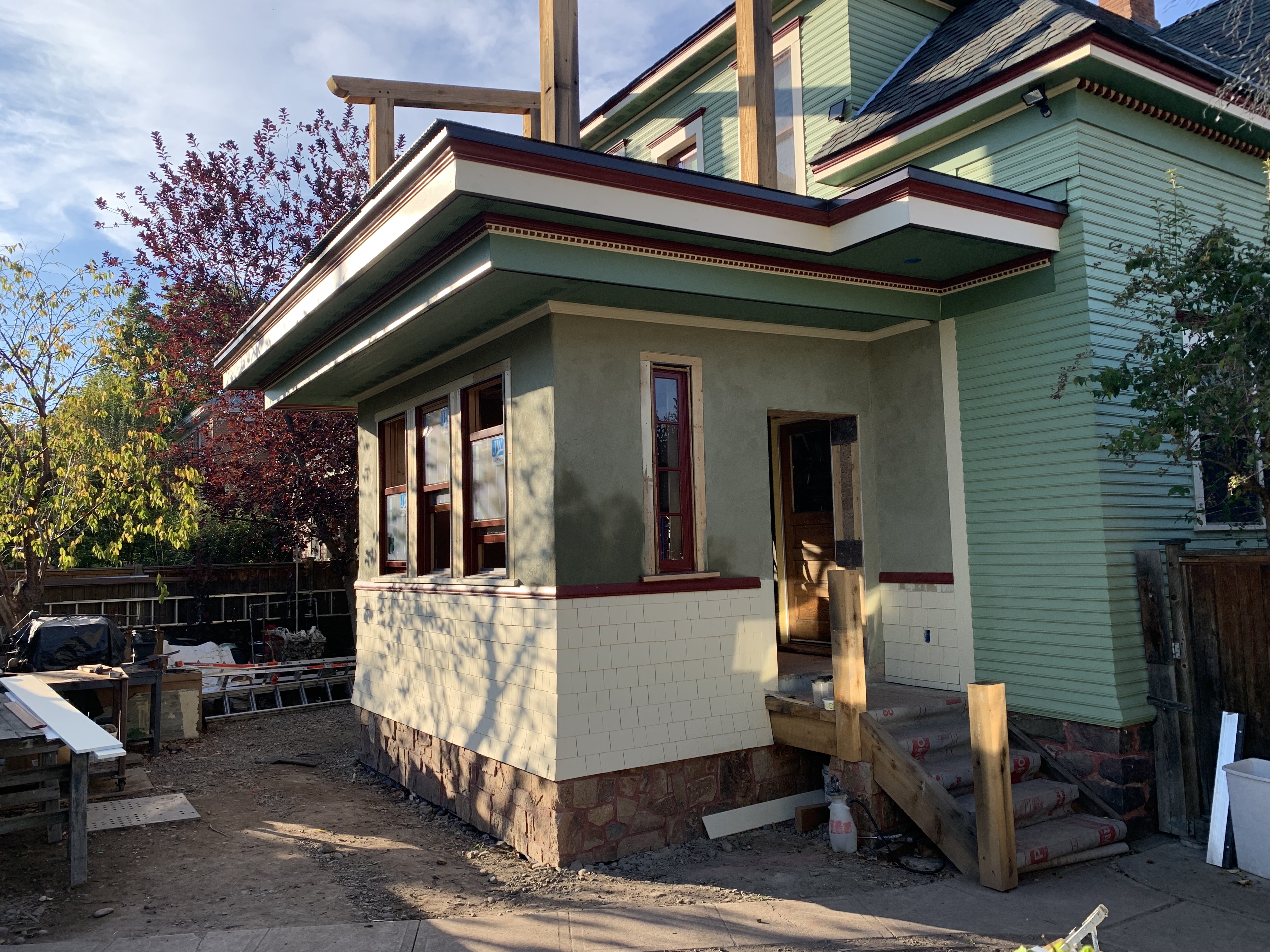
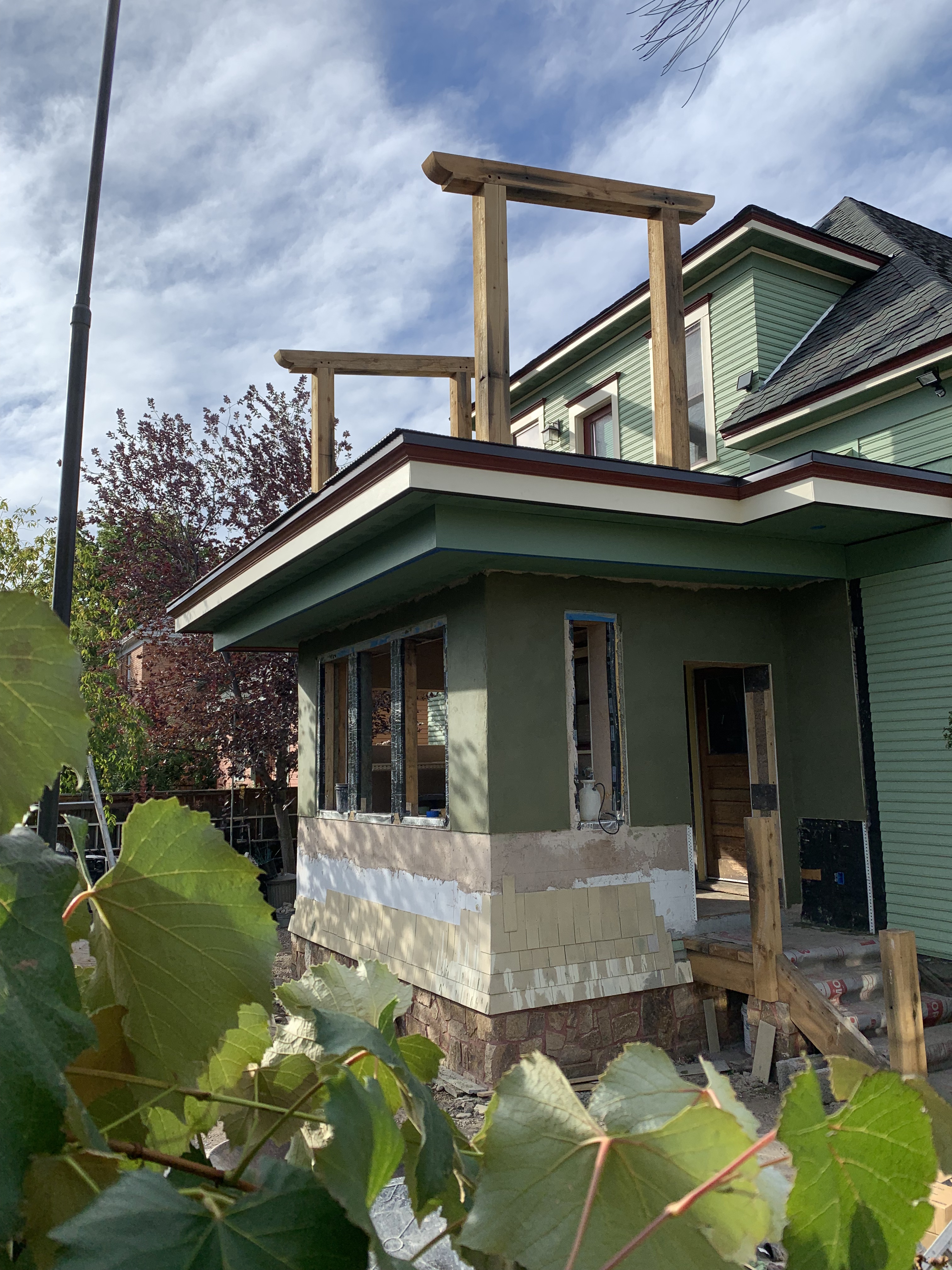
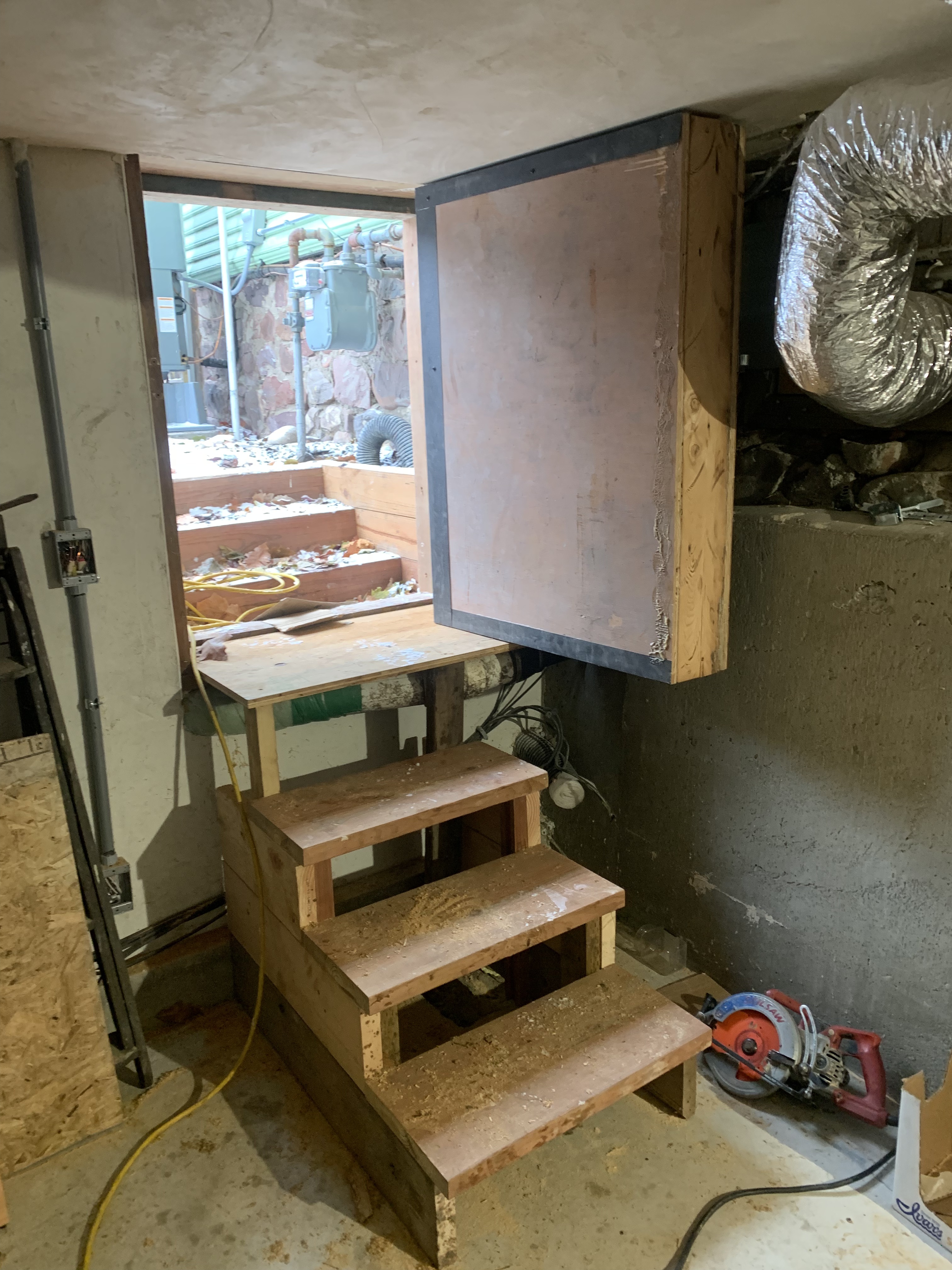
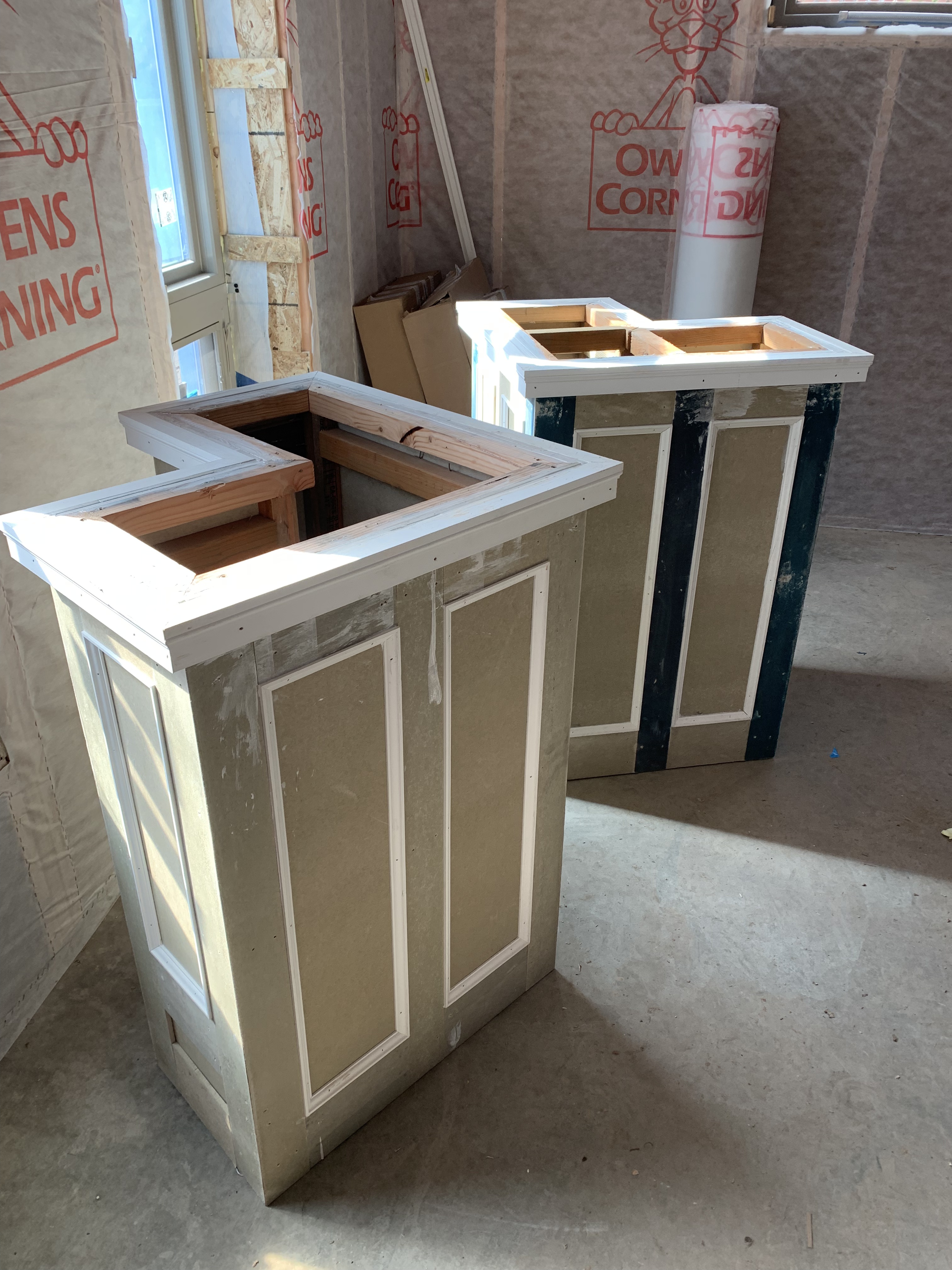
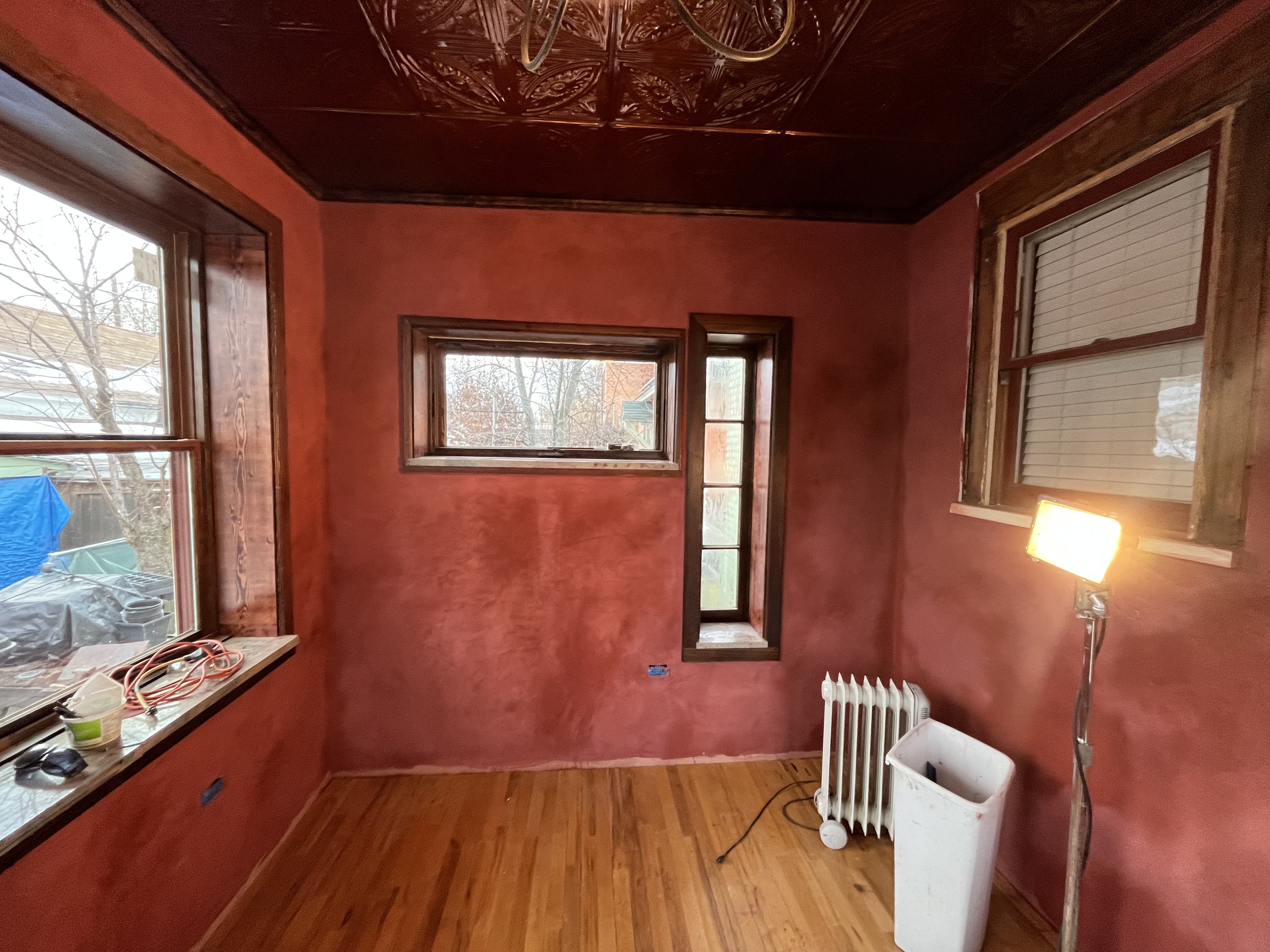
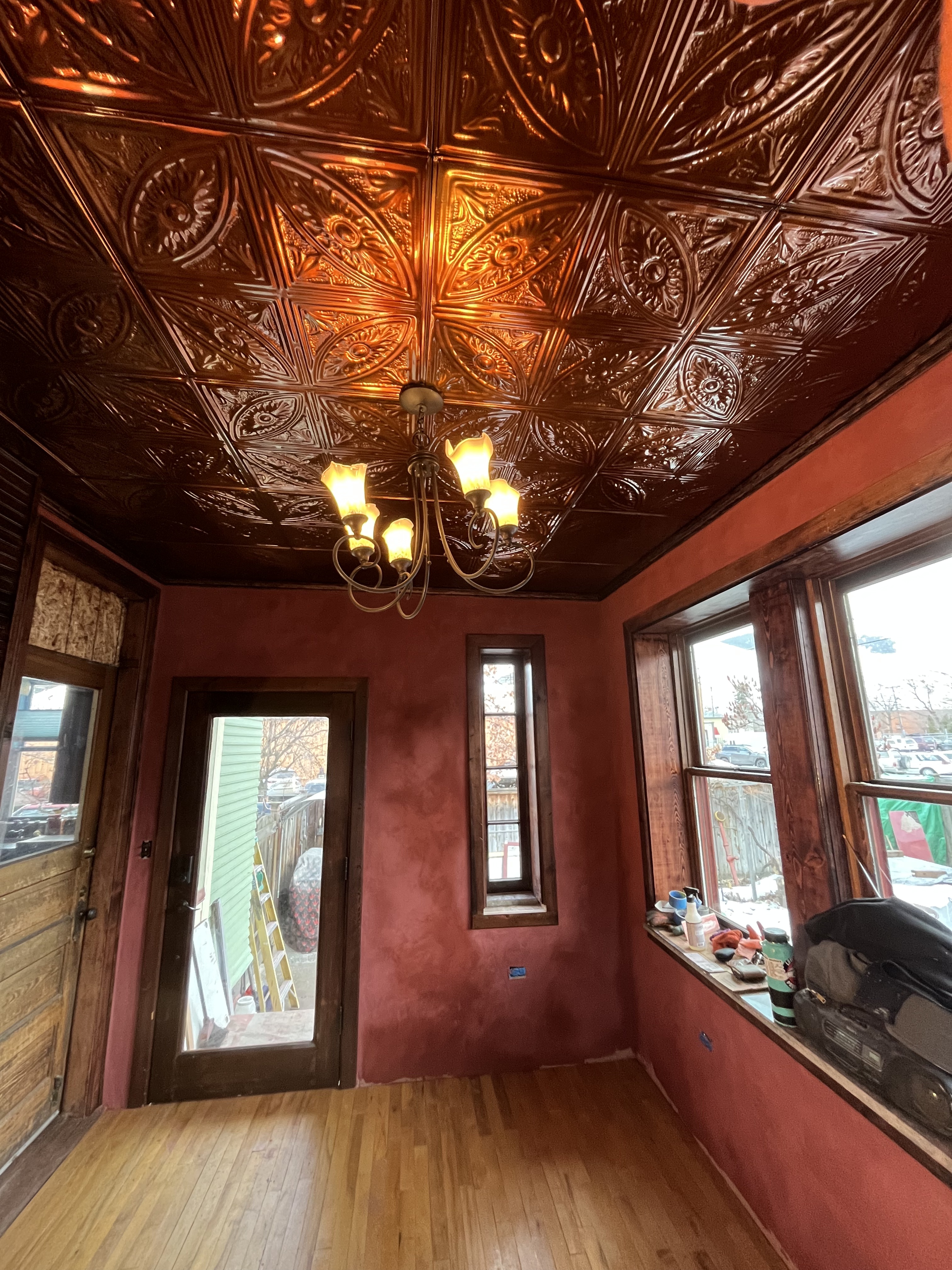
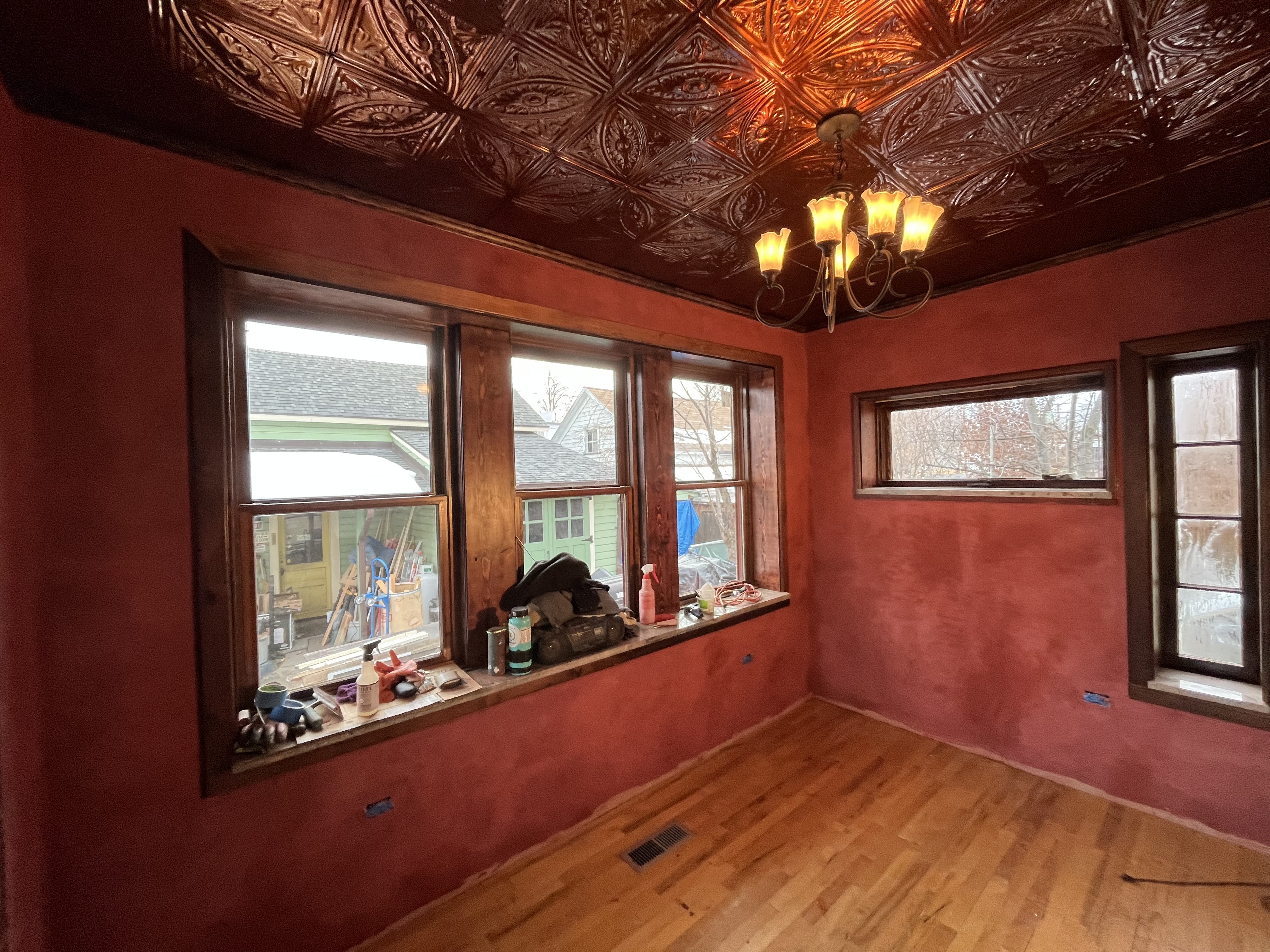
The Anthony residence is a beautifully restored historic home from 1903. The project was to deconstruct a dilapidated back porch and replace it with a new sunroom using a permaculture design approach to stack functions. The historic nature of the house and neighborhood created some interesting challenges. We borrowed design elements from historically significant houses in the area as well as from the unique character pieces of the restored part of the house. We set out to use a small footprint of only 10x14ft and get as much as we could in a high-performance natural building project. We started with a naturally cooled root cellar for food storage, a sunroom for added living space on the house’s south side that would stay cool in the summer, a rooftop living space and garden, a pergola for shade to cool the space and support a PV solar array that the old house could not carry.
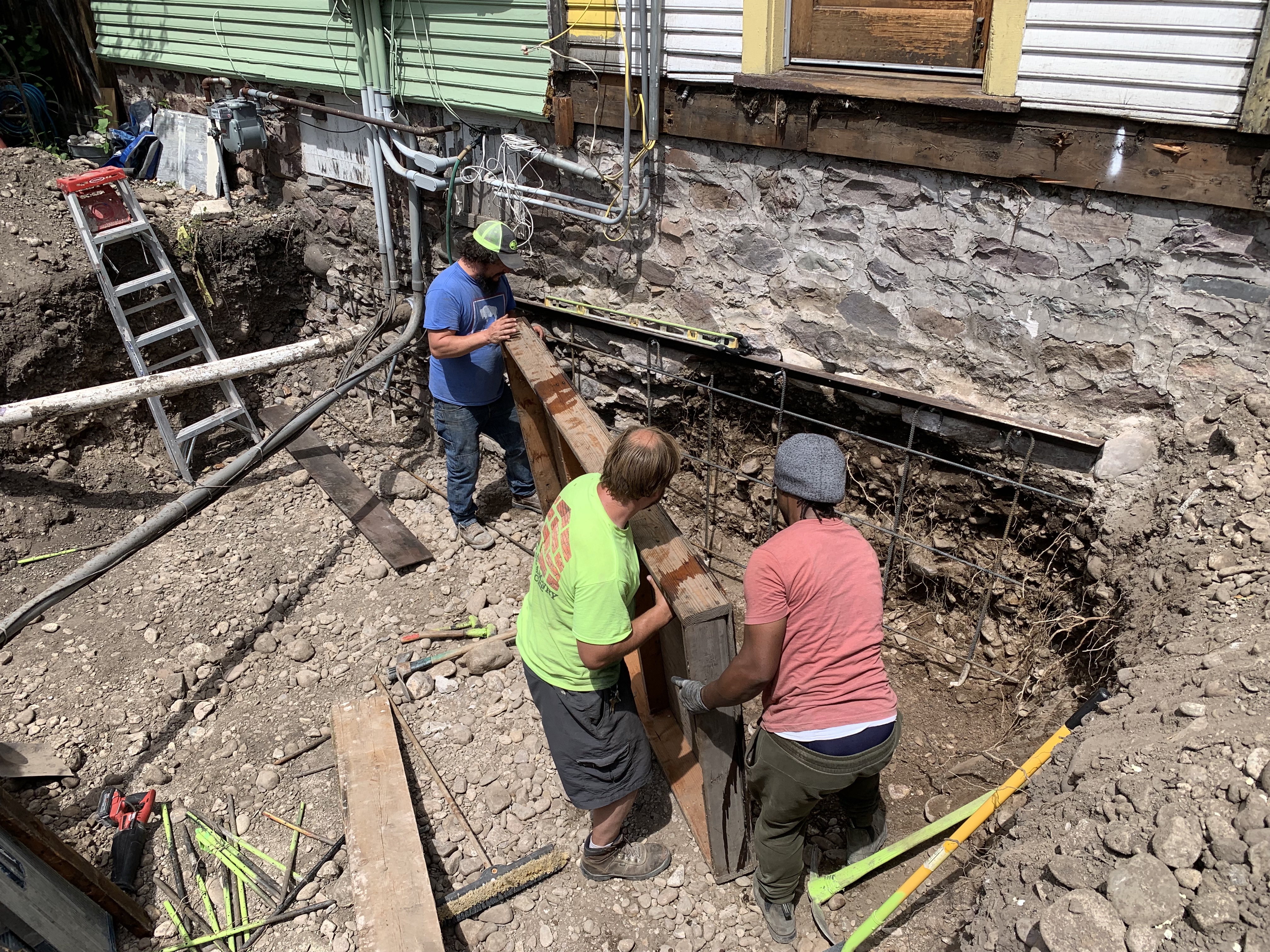
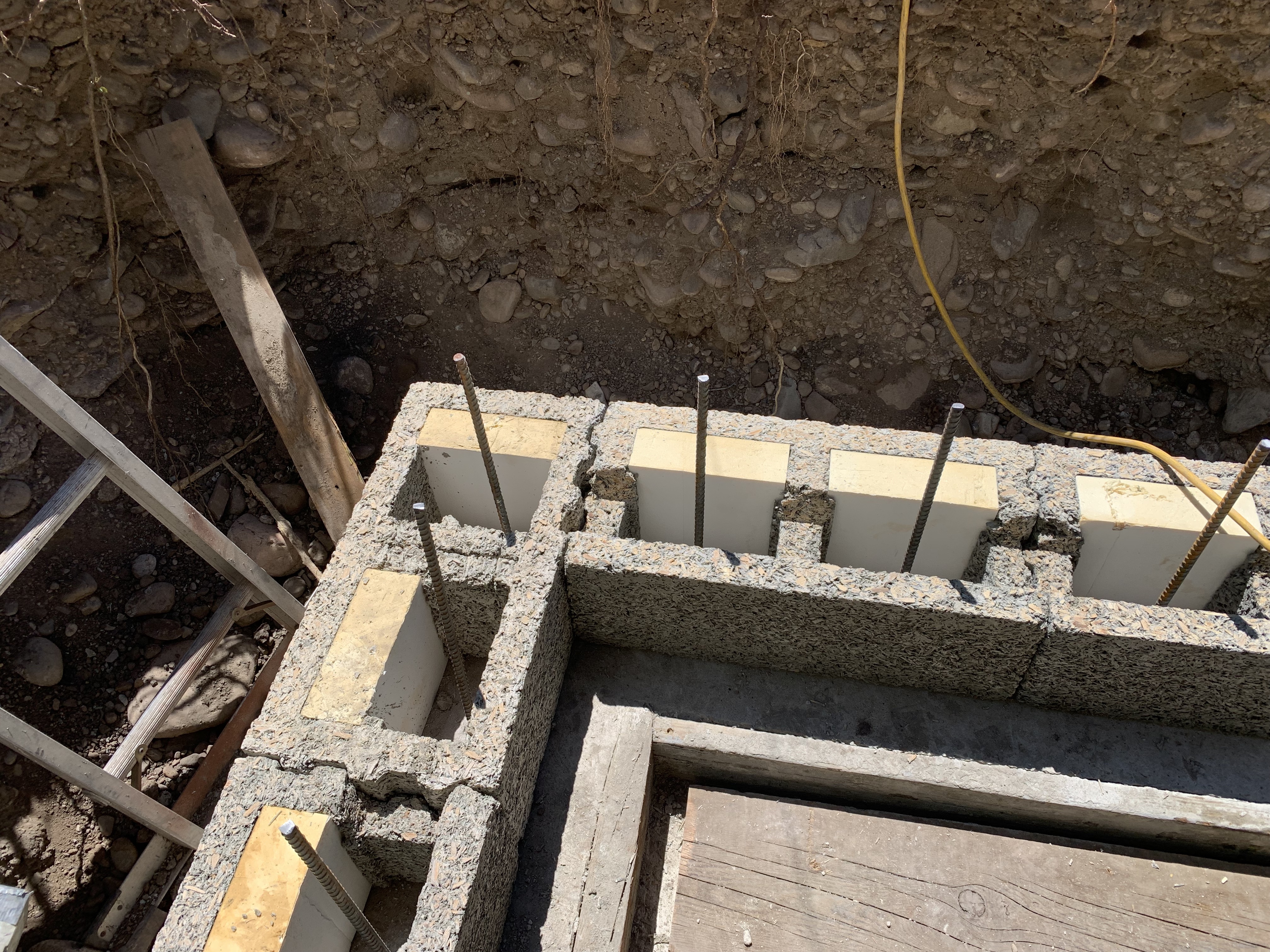
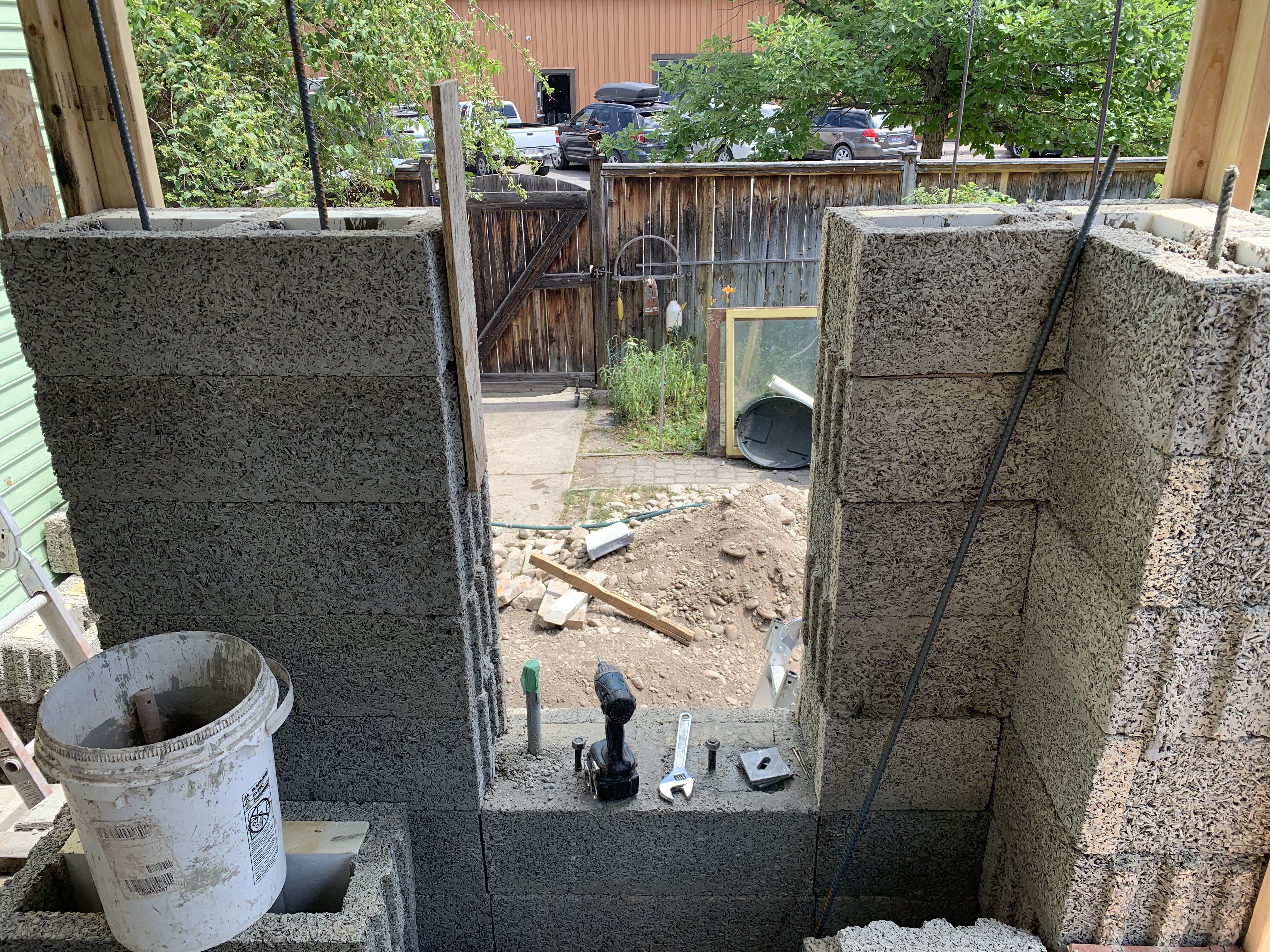
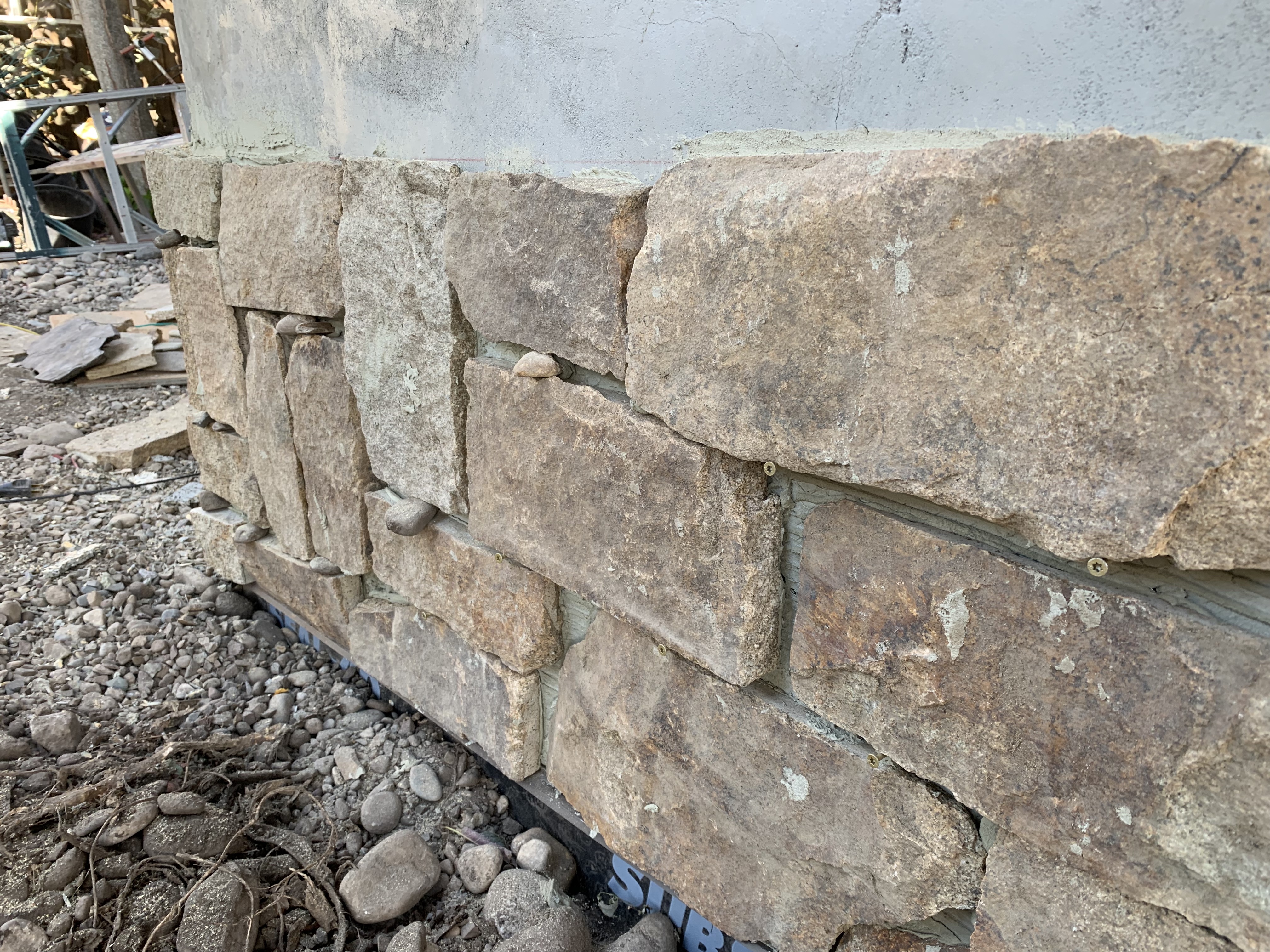
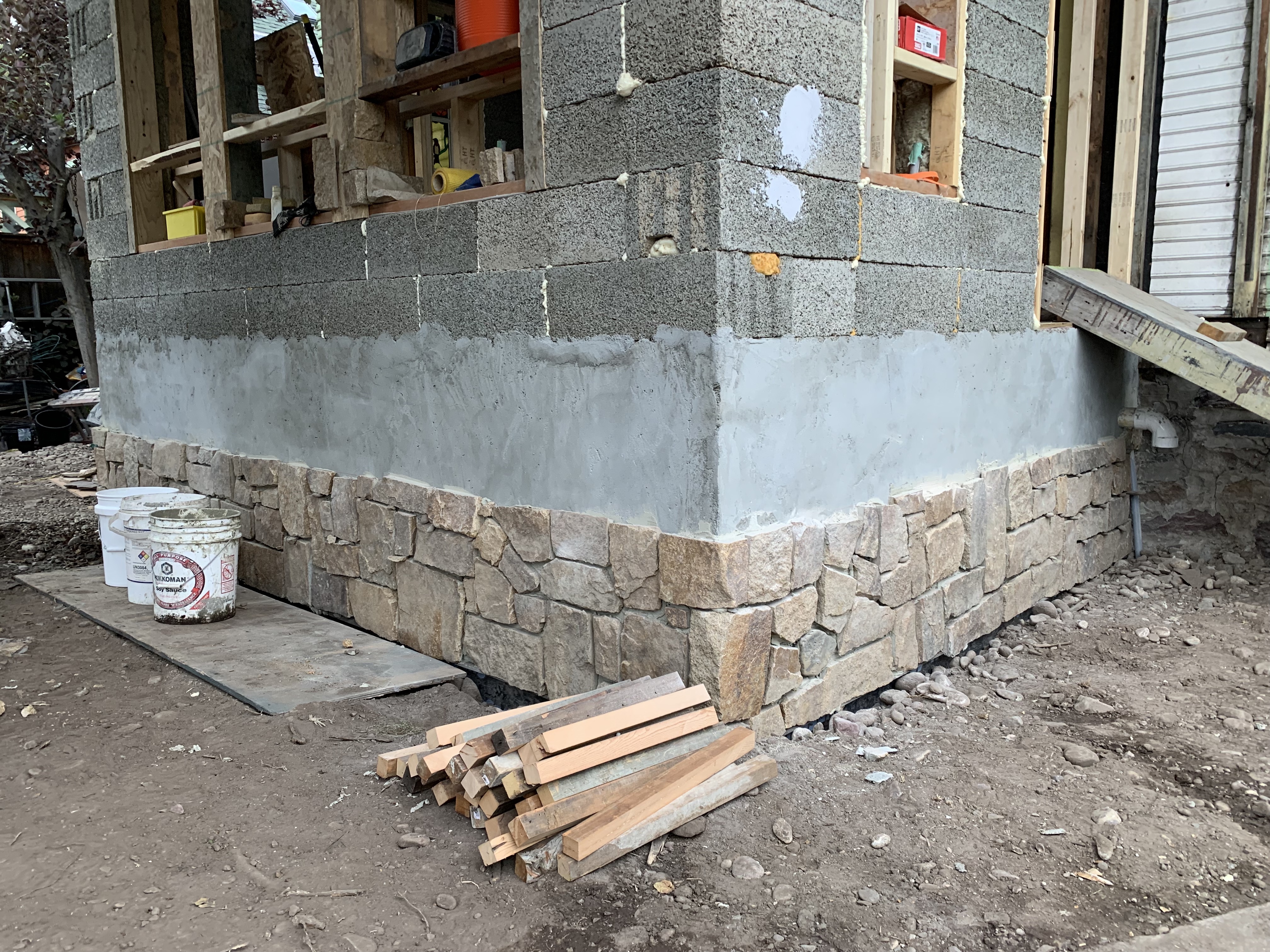
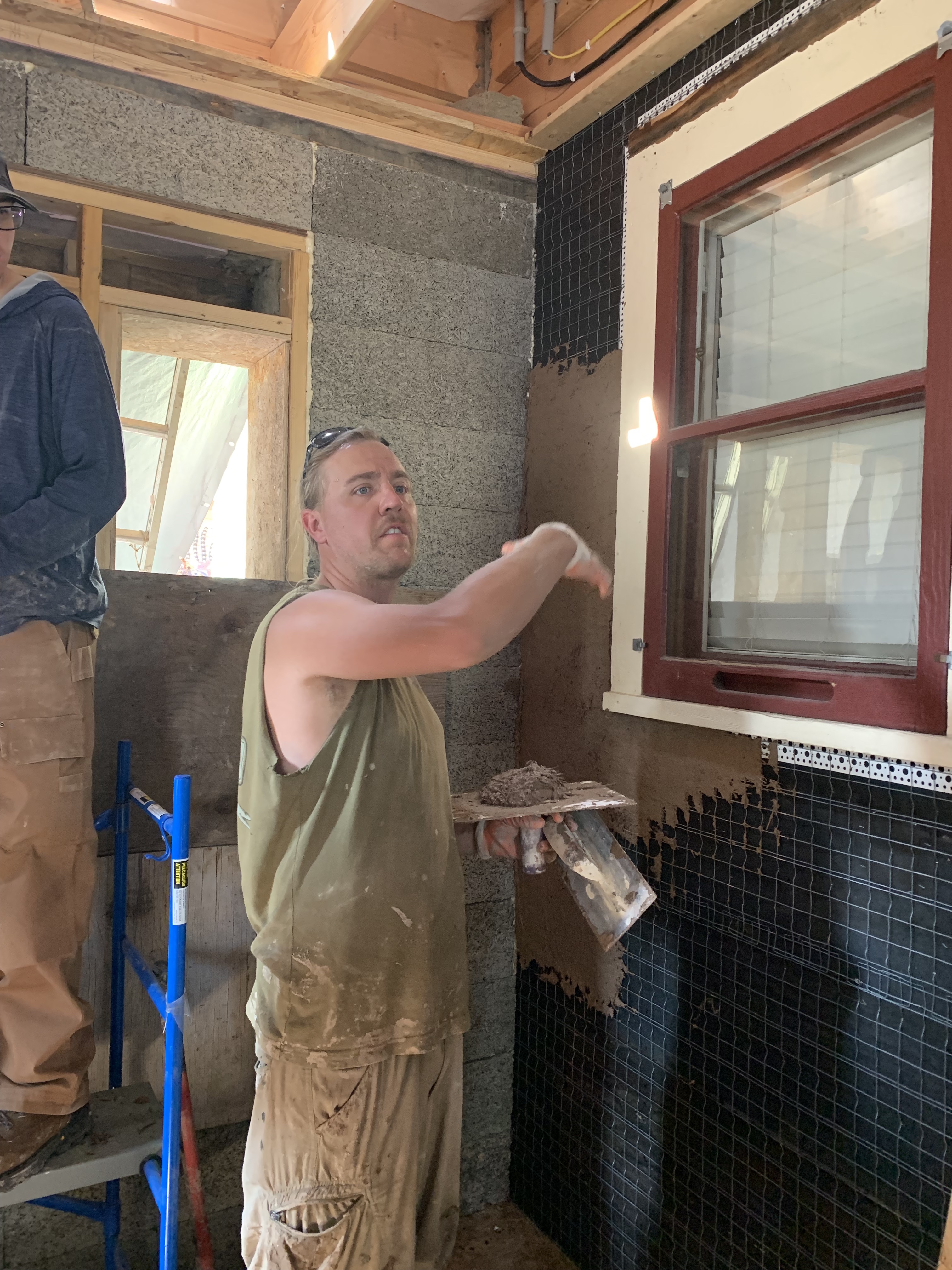
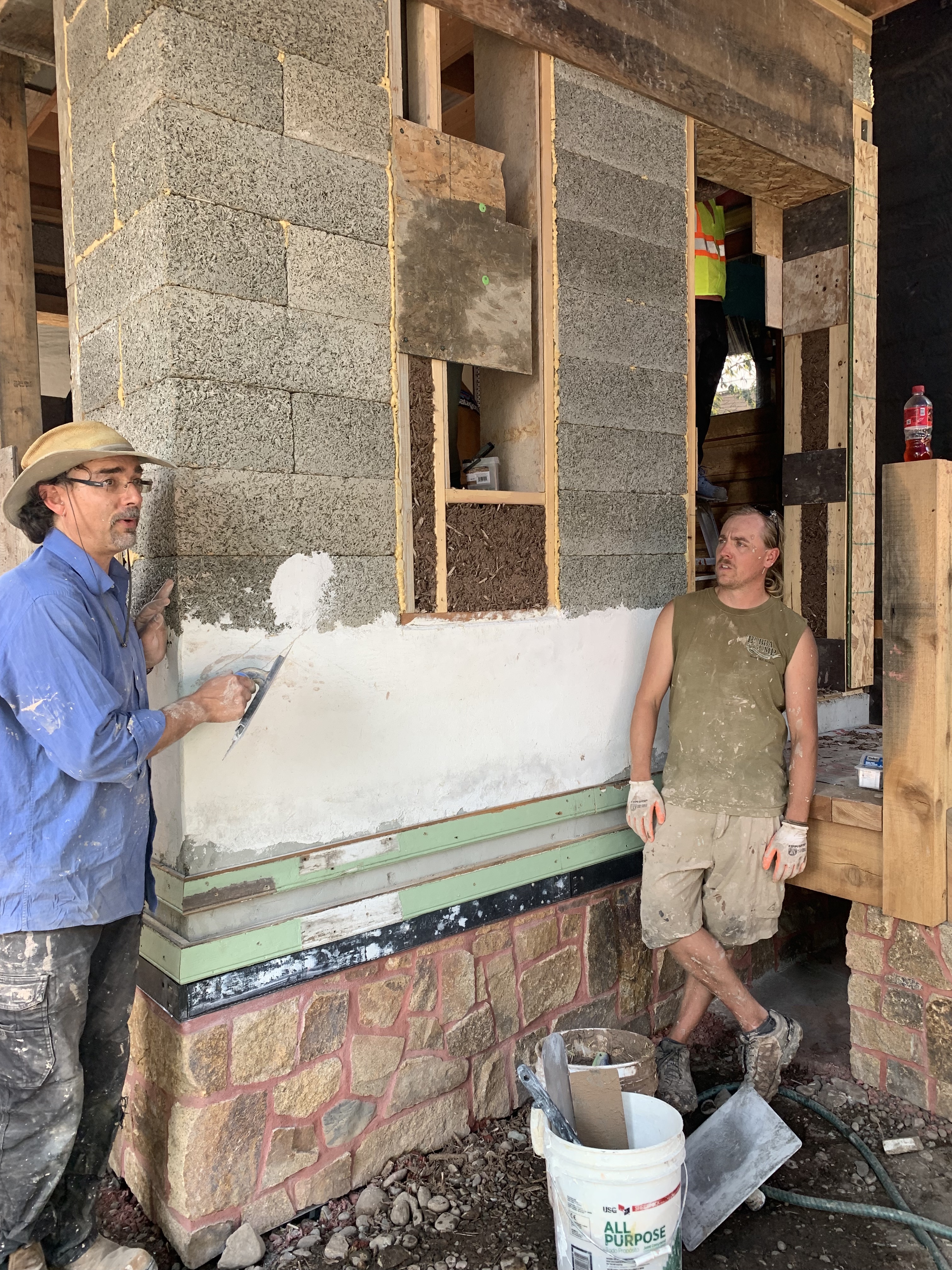
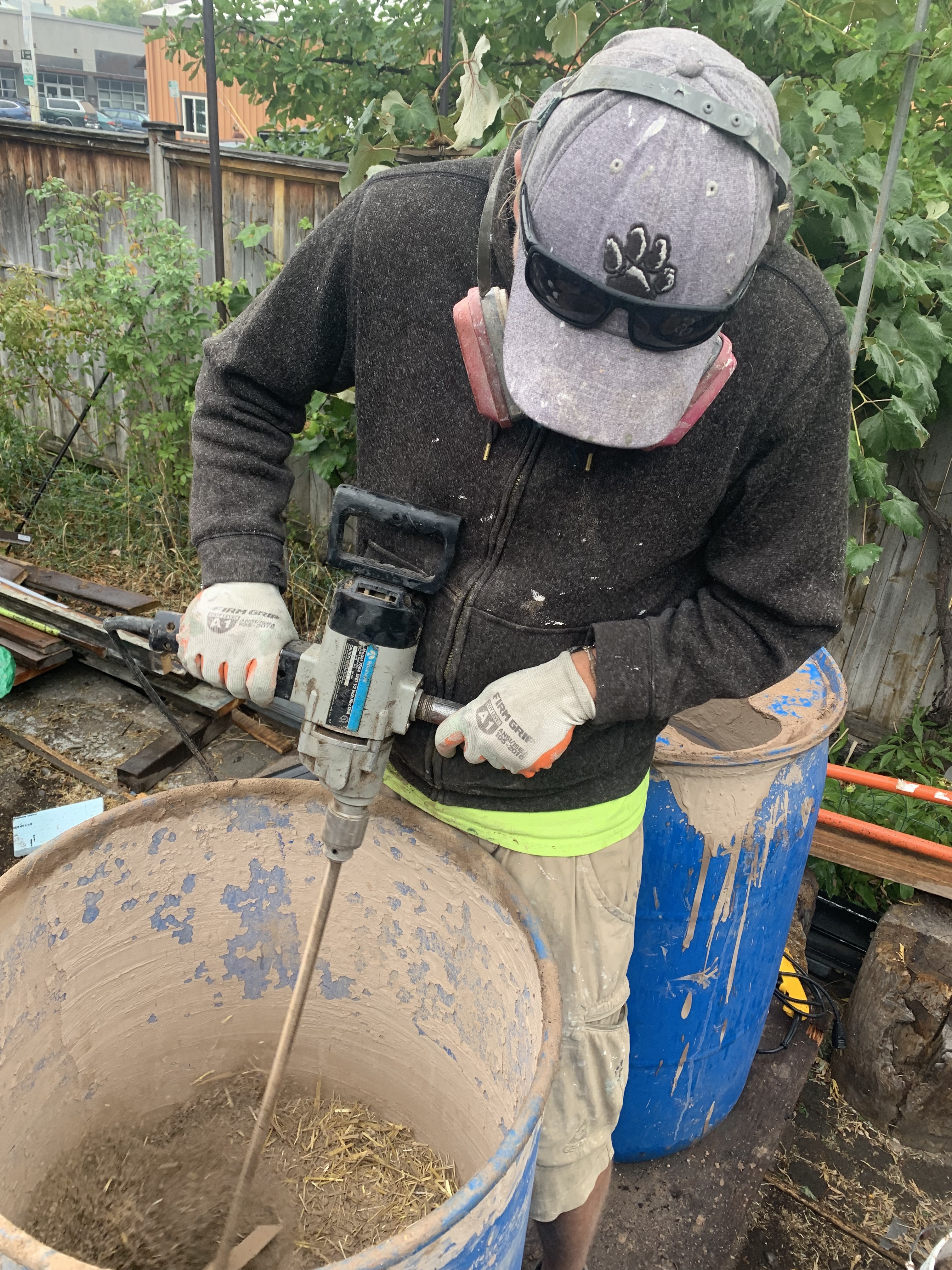
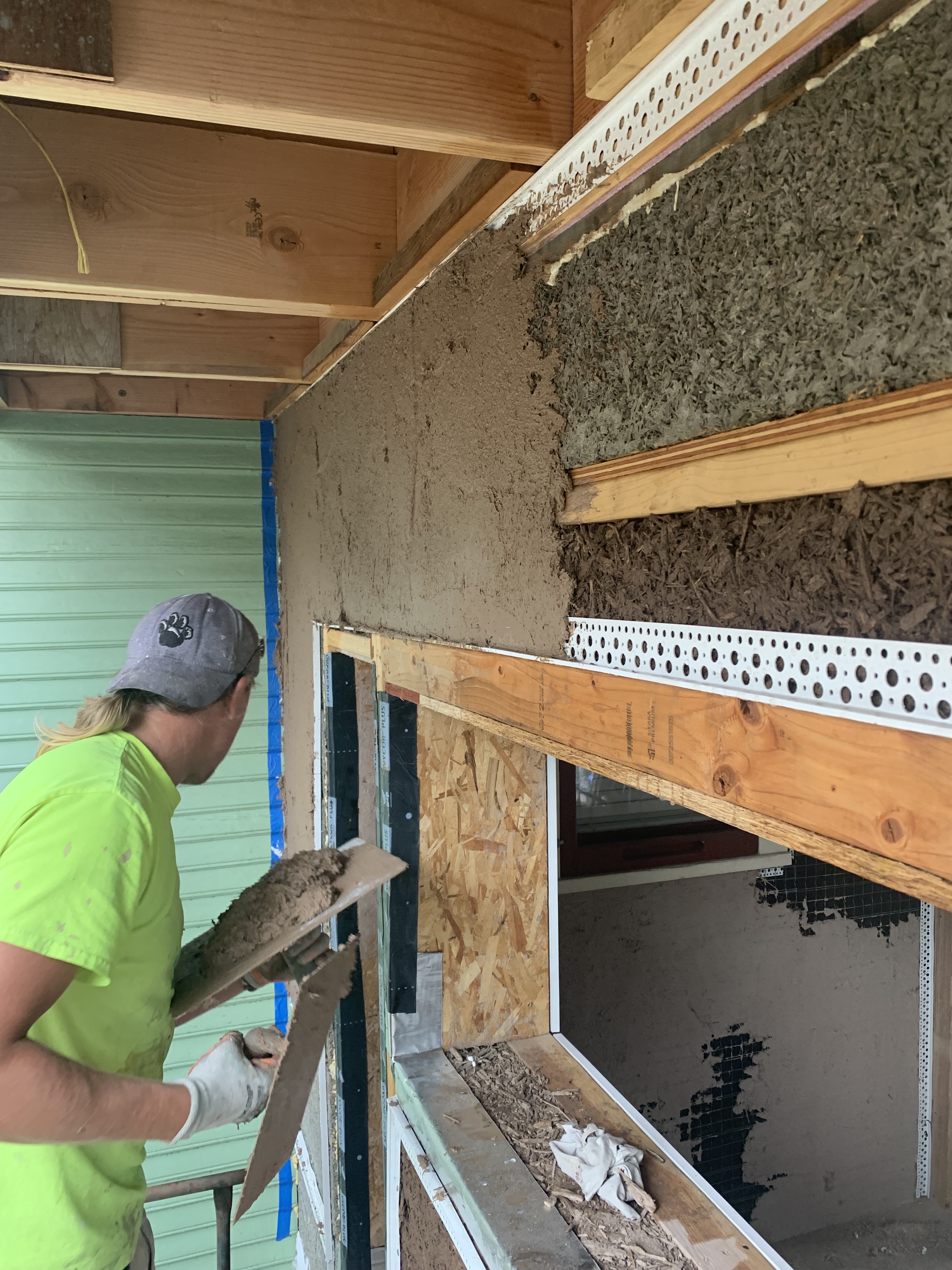
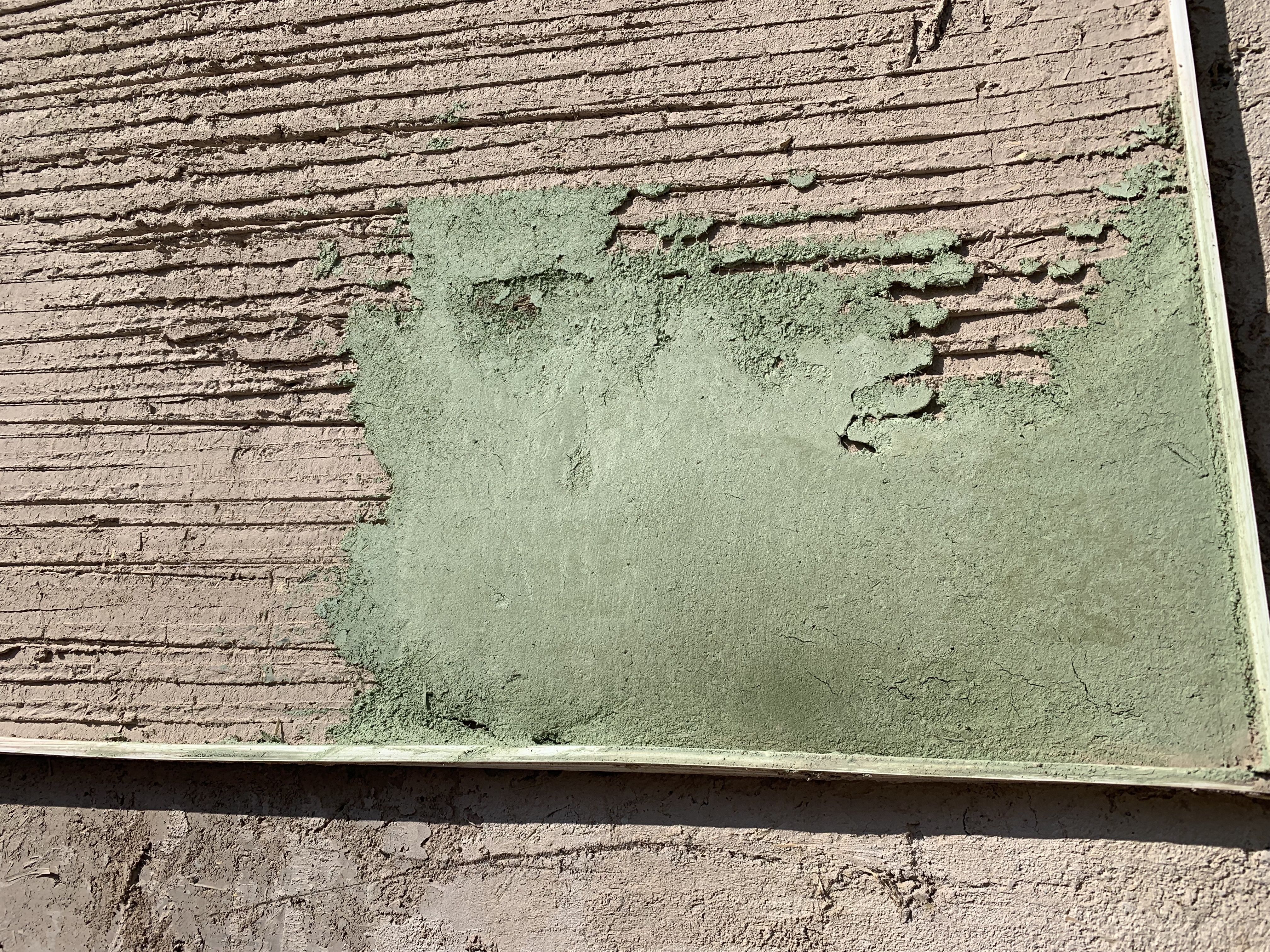
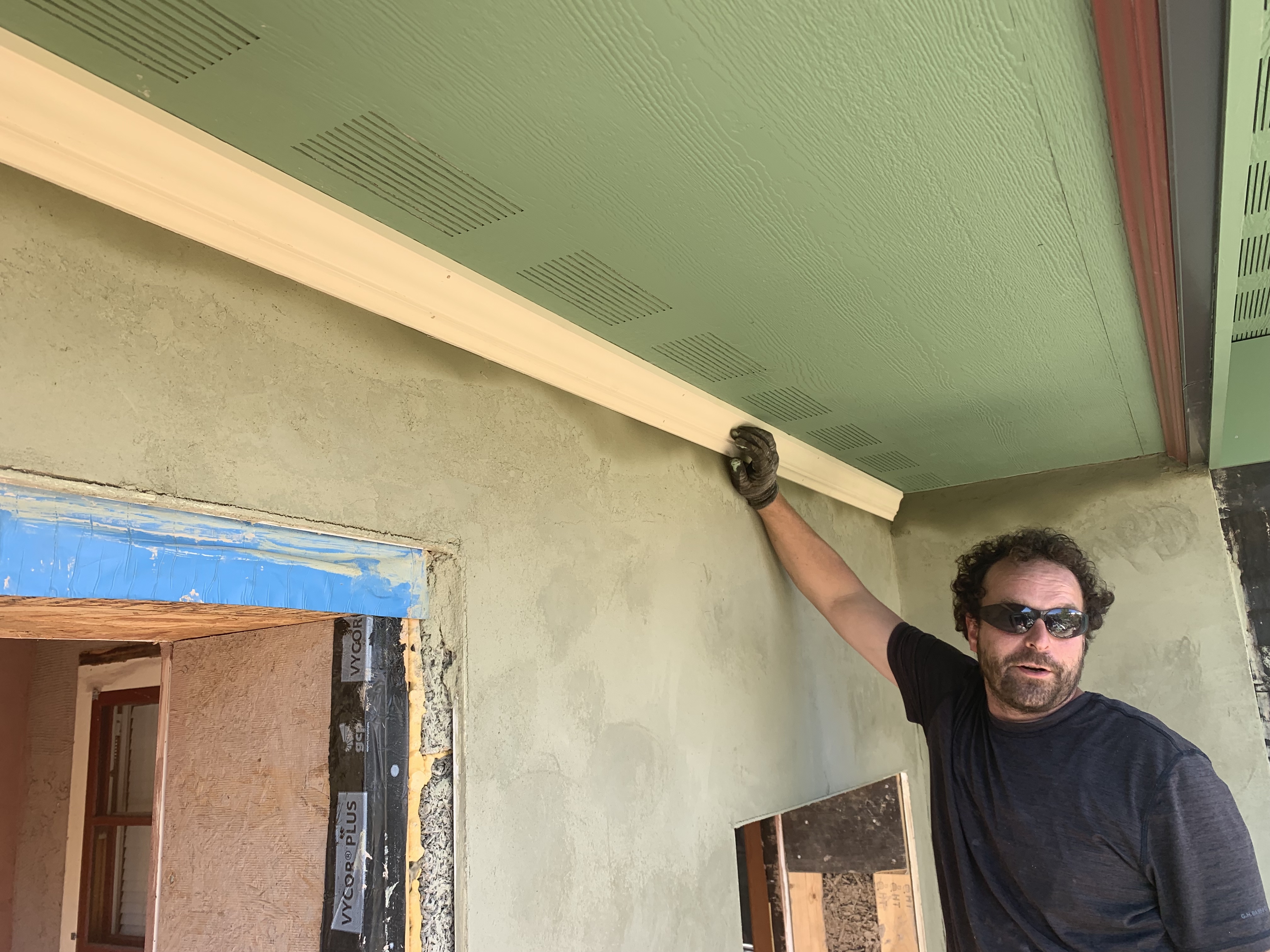
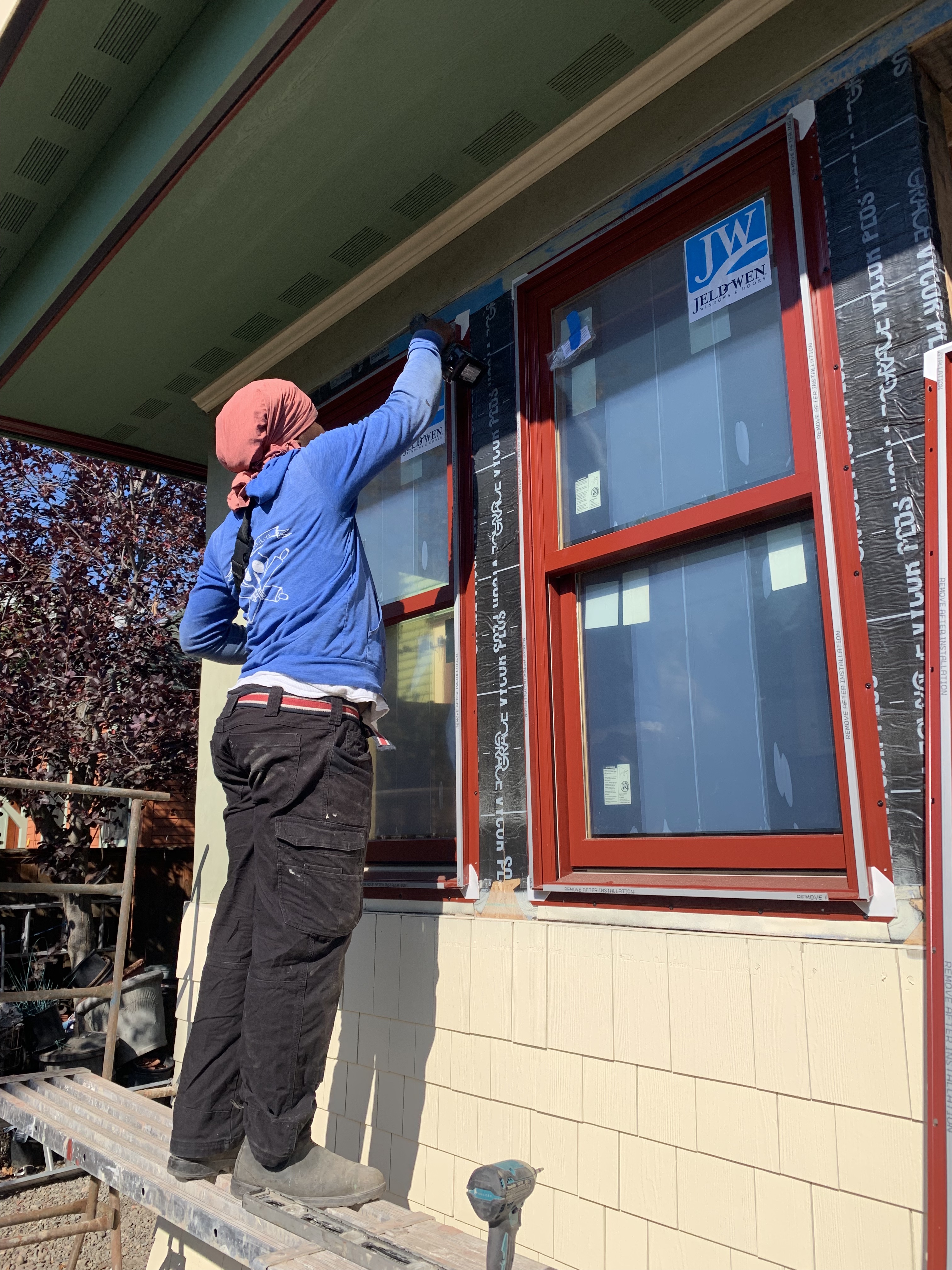
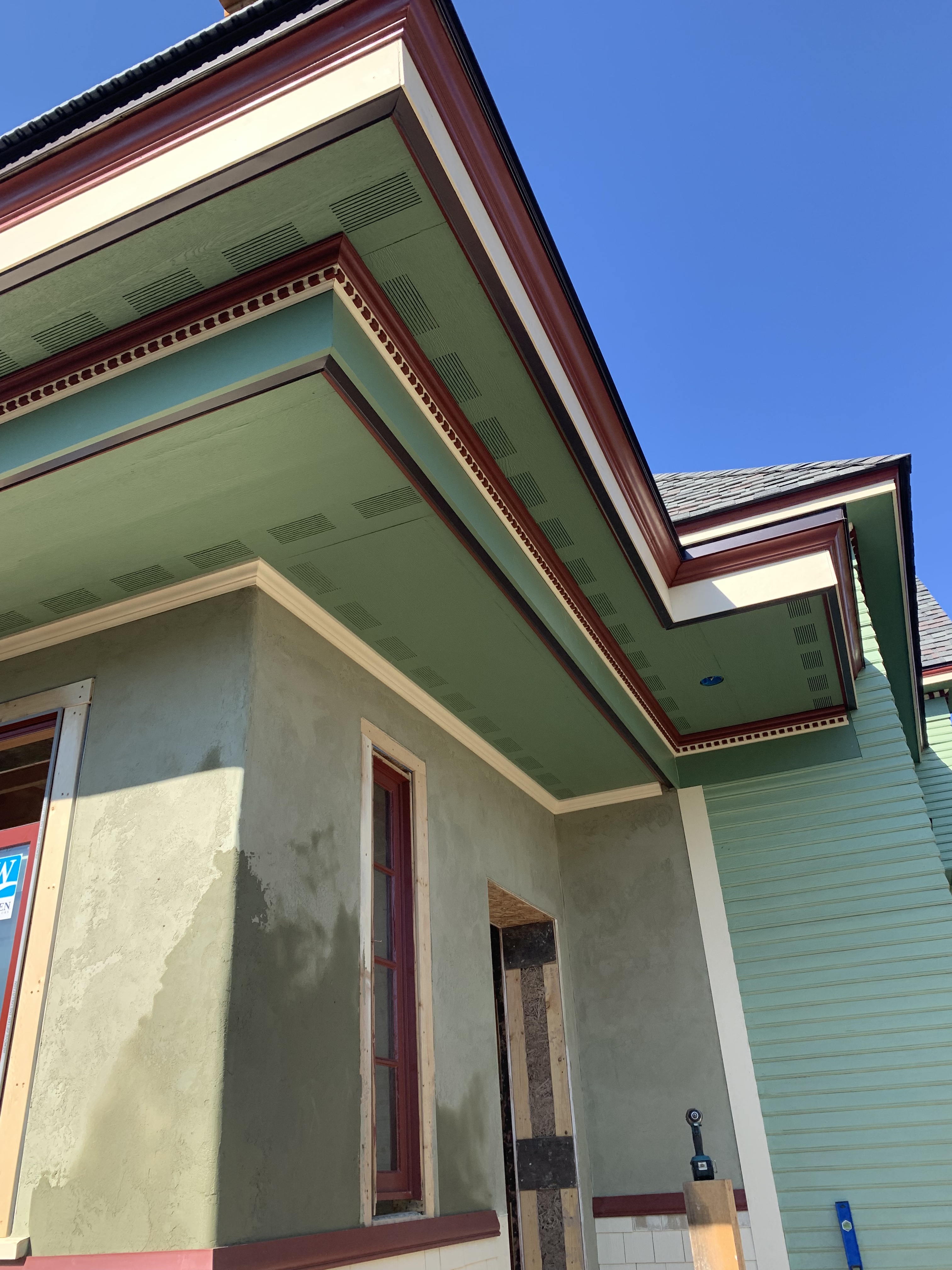
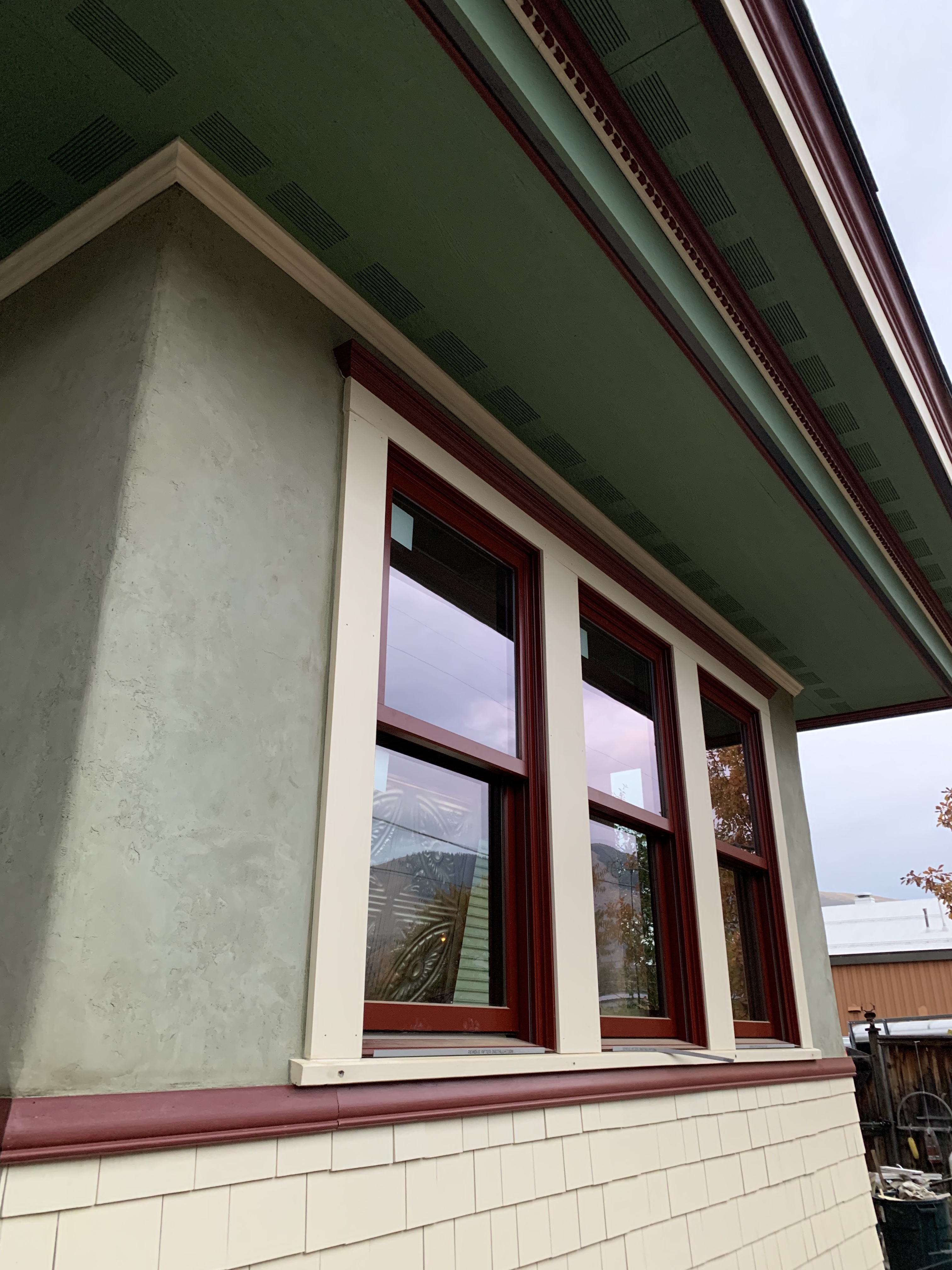
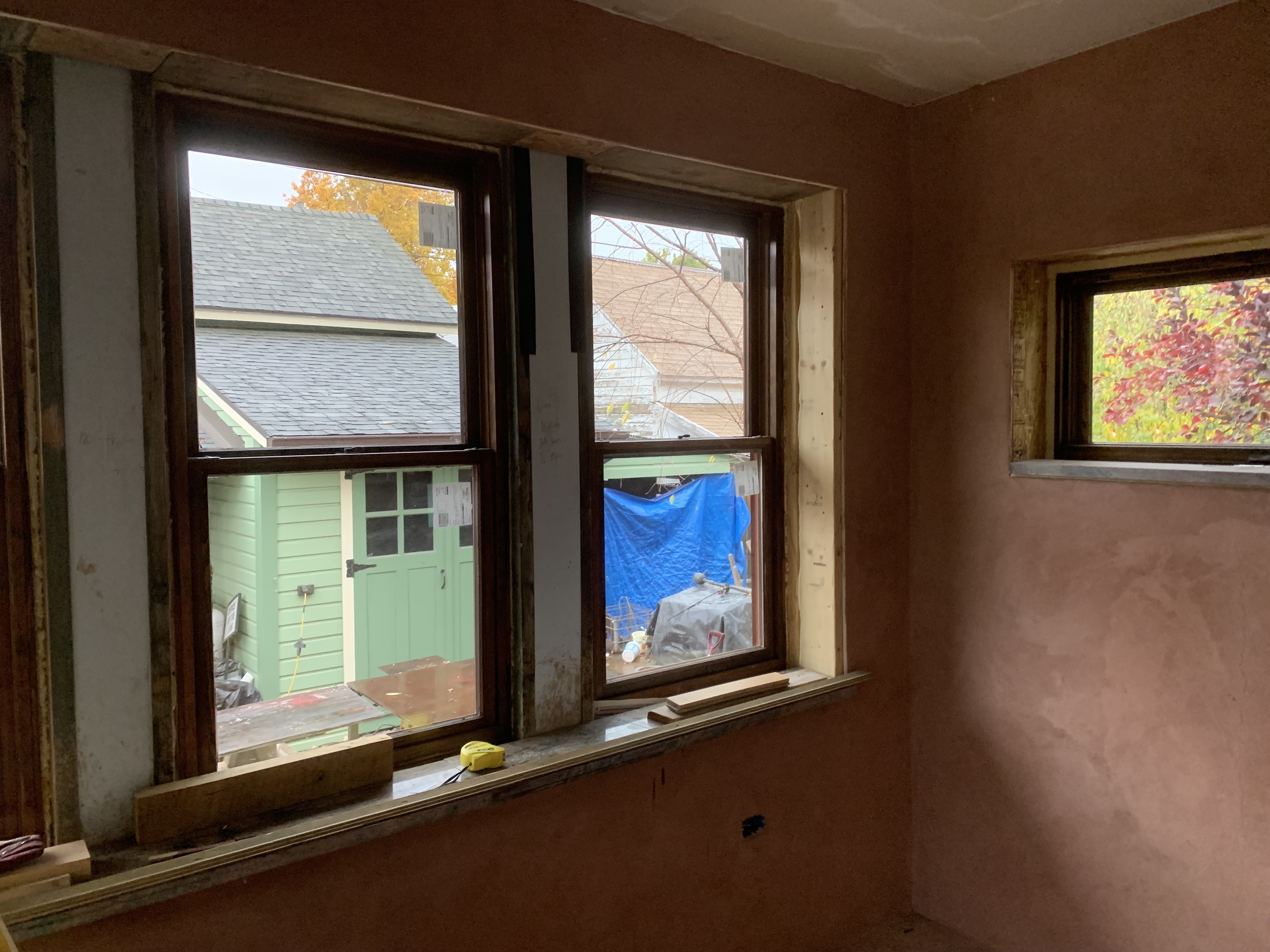
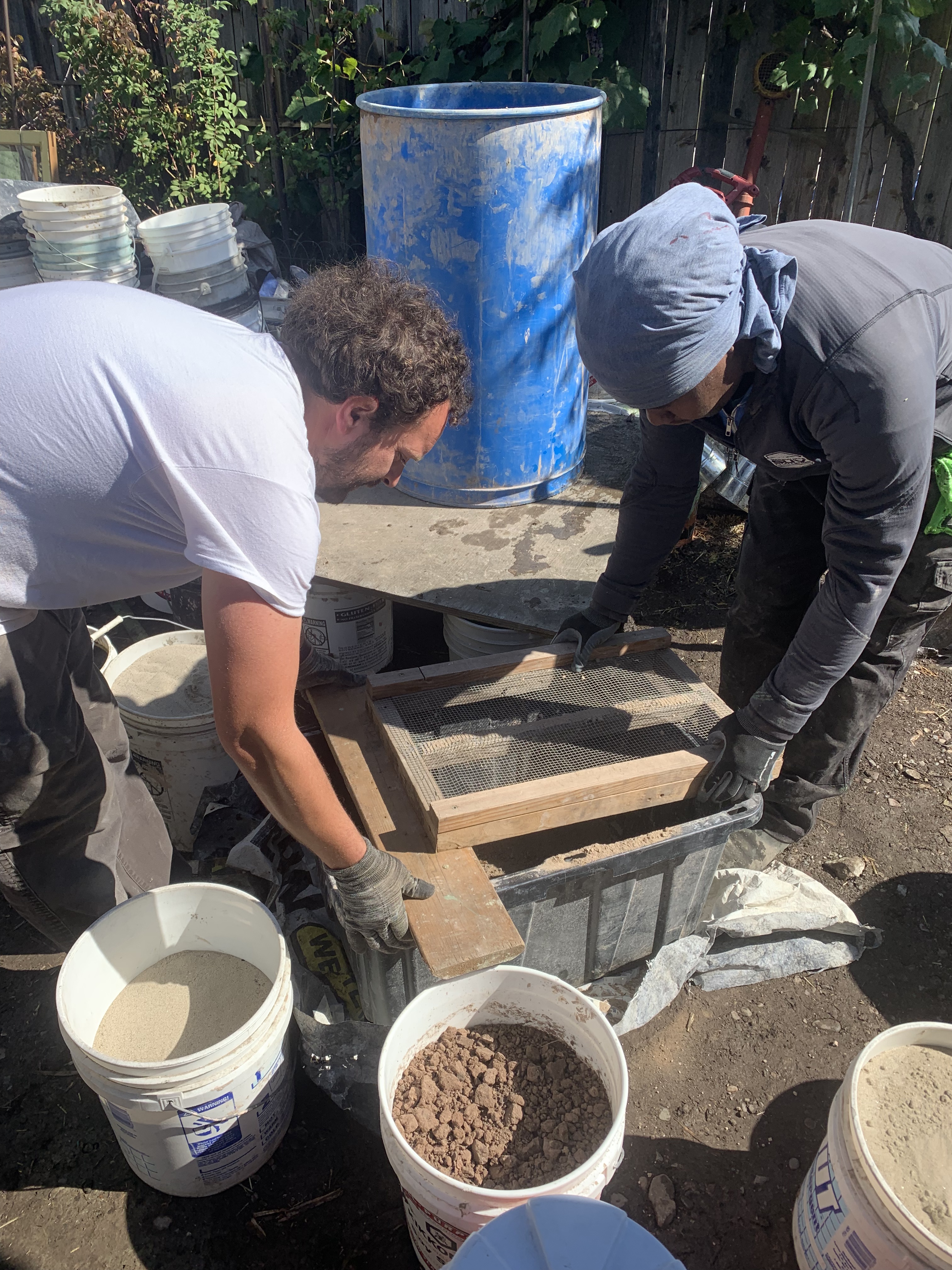
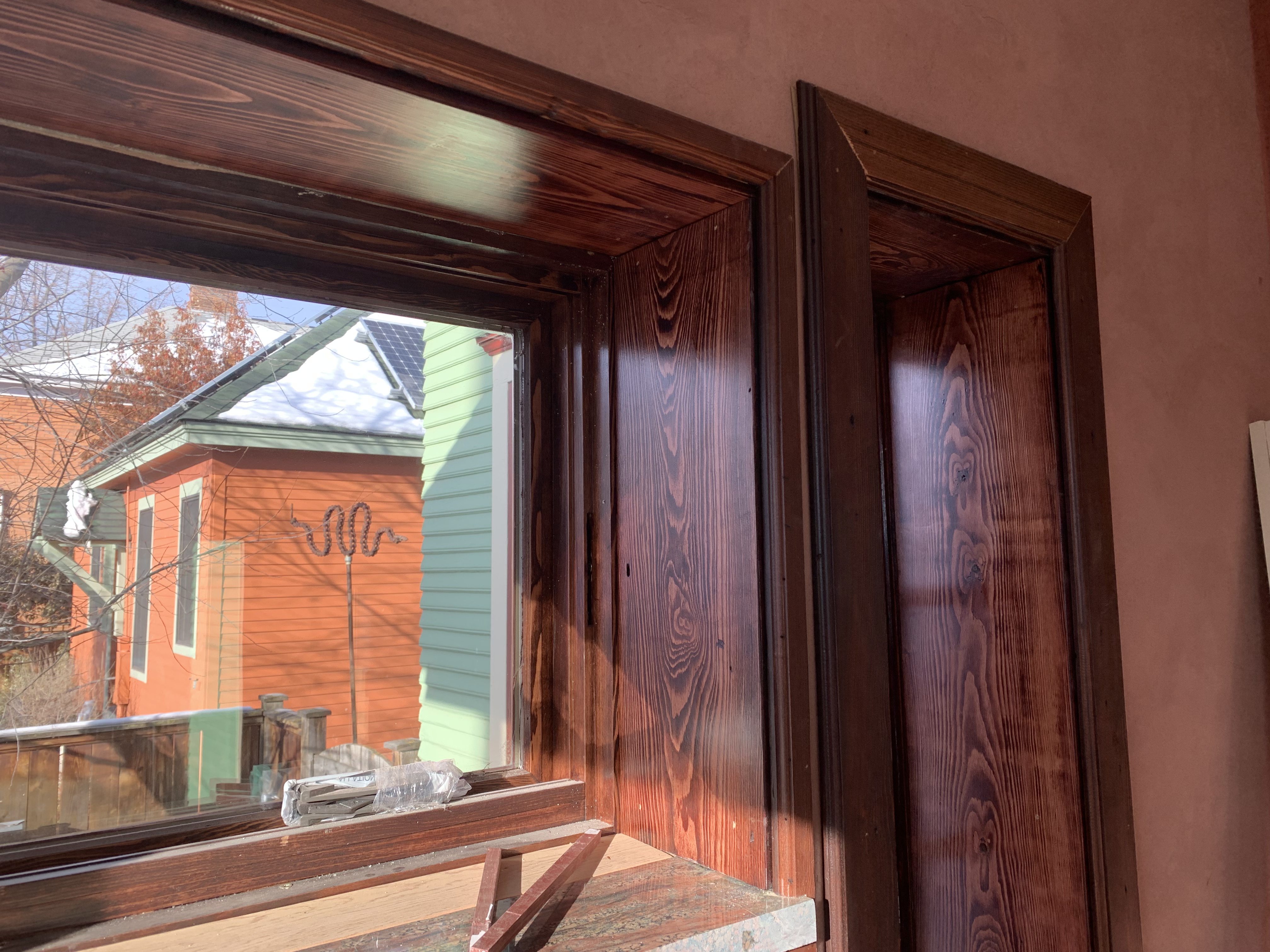
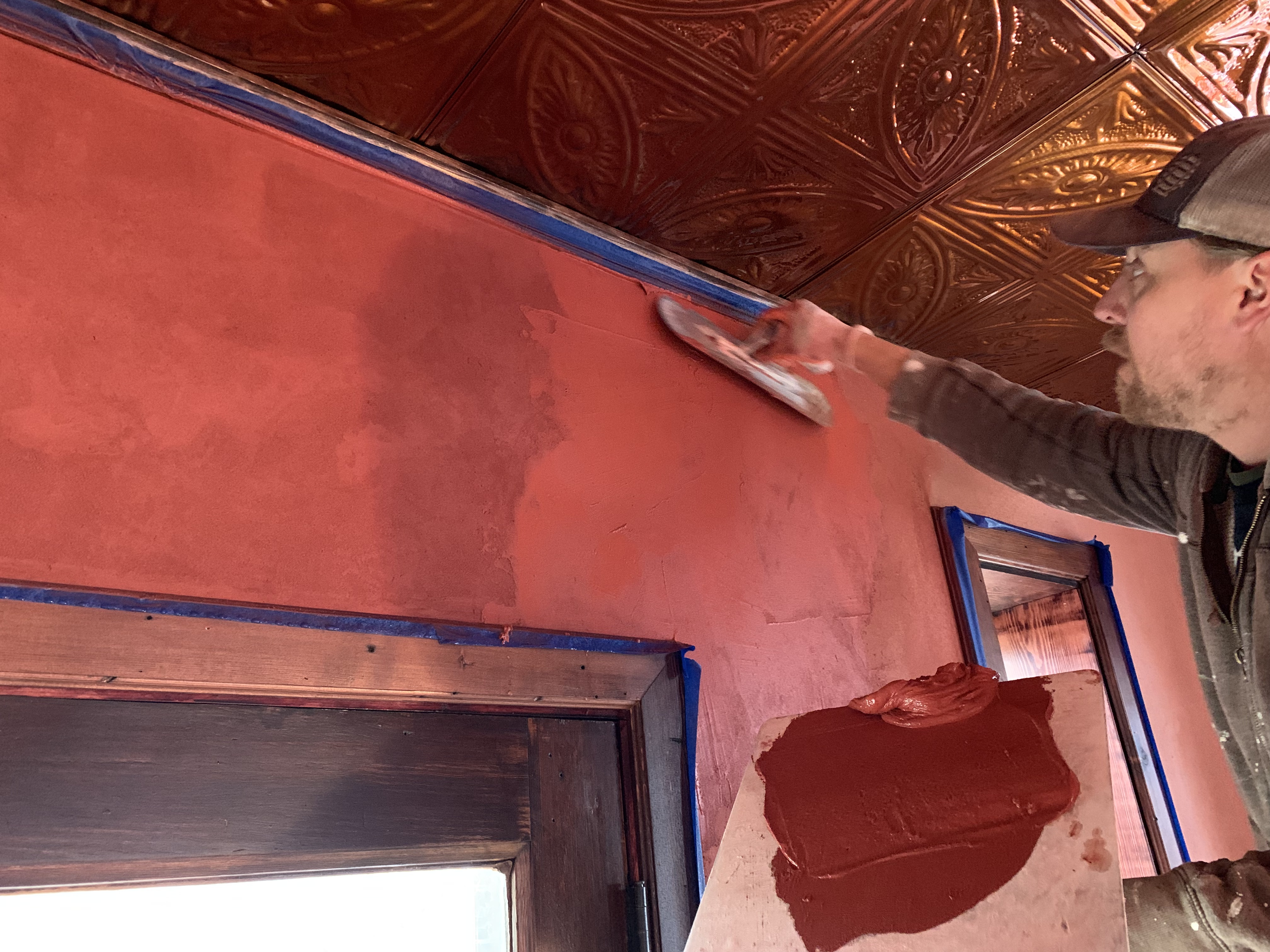
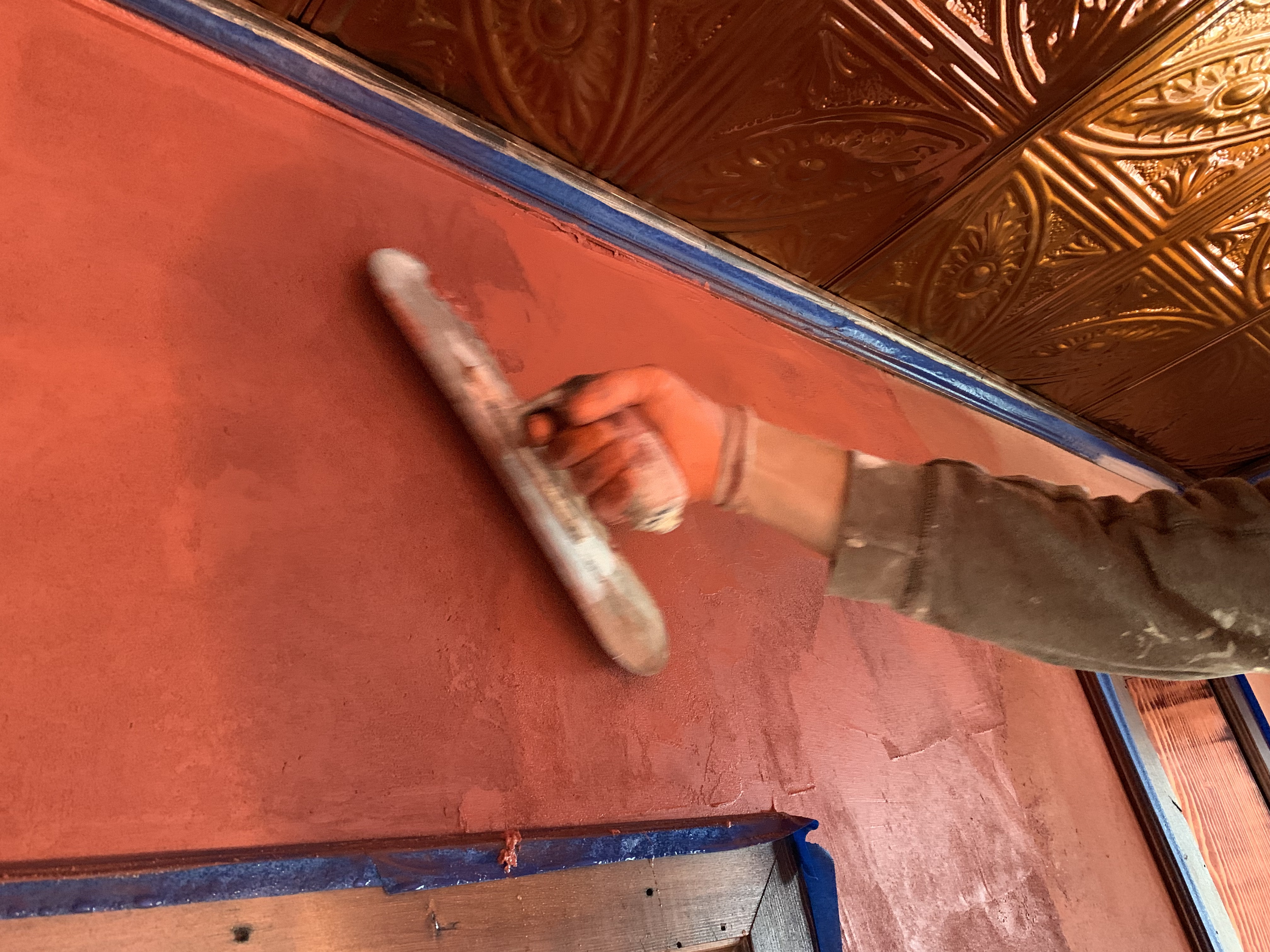
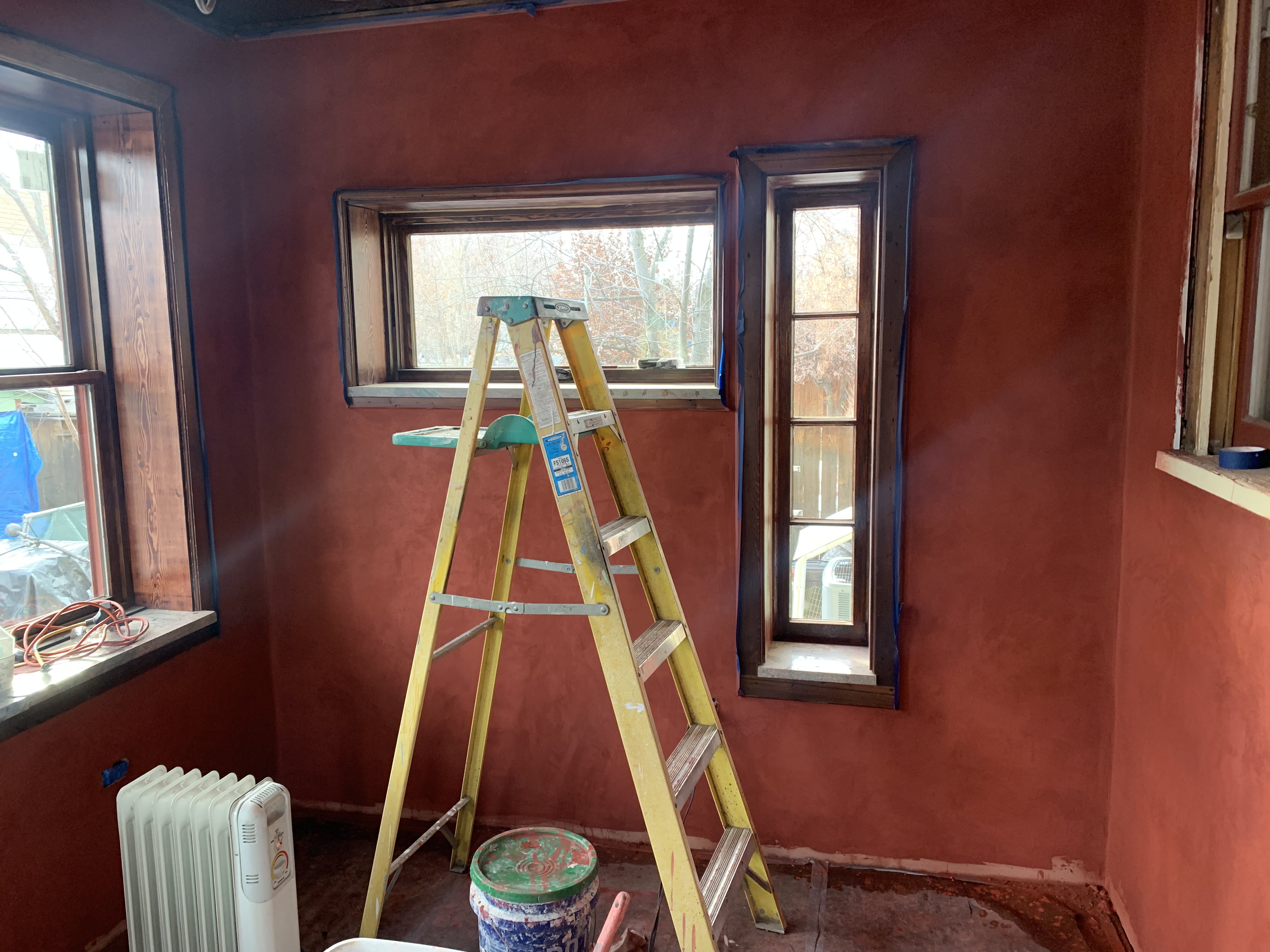
The foundation and parts of the walls used Faswall Insulated Concrete forms, a product made with minerized wood chips from recycled pallets. Infill of light framing with double stud walls and infilled with light earth or light clay was used with locally ground pallets and local clay. Finish renders were lime straw renders in the root celar, and local clay, sand and fiber (horse manure) for the upper portions. We also clad the base with recycled granite slices and recycled composite shake as a rain skirt. The four foot eaves keep all of the summer sun out of the windows and create good protection for the clay finished walls and create a 308 sq ft rooftop space above the 140 sq ft footprint.
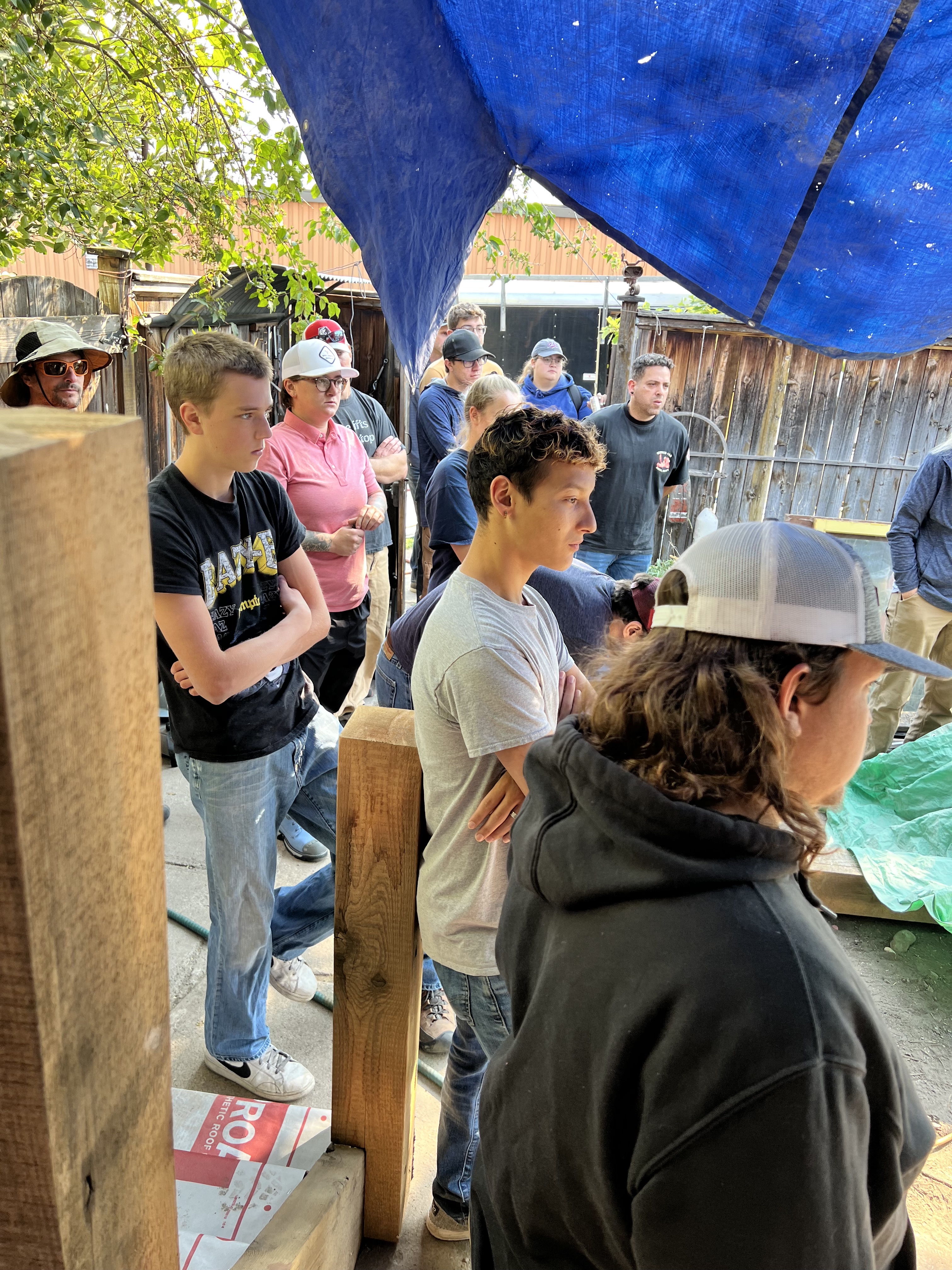
We worked with our Beyond Building team, Bryan’s Bobcart and Excavation Services, Hometown Electric, Western Stucco and Plastering, Zoula Masonry Services and did a demonstration and workshop for students from the Missoula College Sustainable Building Program. The project was designed by Fearless Engineering and Beyond Building.






 beyond-building.org